 |
| ||||||||||||||||||||||||||||||||||||||||||||||||||||||||||||||||||||||||||||||||||||||||||||||||||||||
International Edition
Written by Mats Borgenvall, H�kan Jarskog,
Barbara
Murray and Cecilia Karlstedt
This edition adapted by H�kan Jarskog
|
|
INTERNATIONAL LABOUR OFFICE |

Copyright © International Labour Organization 1999
First published 1999
Publications of the International Labour Office enjoy copyright under Protocol 2 of the Universal Copyright Convention. Nevertheless, short excerpts from them may be reproduced without authorization, on condition that the source is indicated. For rights of reproduction or translation, application should be made to the Publications Bureau (Rights and Permissions), International Labour Office, CH-1211 Geneva 22, Switzerland. The International Labour Office welcomes such applications.
Libraries, institutions and other users registered in the United Kingdom with the Copyright Licensing Agency, 90 Tottenham Court Road, London W1P 9HE (Fax +44 171 436 3986), the United States with the Copyright Clearance Center, 222 Rosewood Drive, Danvers, MA 01923 (Fax +1 508 750 4470), or in other countries in accordance with associated Reproduction Rights Organizations, may make photocopies in accordance with the licences issued to them for this purpose.
|
Borgenvall, Mats; Jarskog, H�kan; Murray, Barbara; Karlstedt,
Cecilia ILO Cataloguing in Publication Data |
The designations employed in ILO publications which are in conformity with United Nations practice, and the presentation of the materials therein, do not imply the expression of any opinion whatsoever on the part of the International Labour Office concerning the legal status of any country, area or territory or of its authorities, concerning the delimitation of its frontiers.
The responsibility for opinions expressed in signed articles, studies and other contributions rests solely with their authors, and publication does not constitute an endorsement by the International Labour Office of the opinions expressed in them.
Reference to names of firms and commercial products and processes does not imply their endorsement by the International Labour Office, and failure to mention a particular firm, commercial product or process is not a sign of disapproval.
ILO publications can be obtained through major booksellers or ILO local offices in many countries, or direct from ILO Publications, International Labour Office, CH-1211 Geneva 22, Switzerland. Catalogues or lists of new publications are available free of charge from the above address.
Design, illustrations and typesetting by Robert Silverman Design, Brooklyn, New York, USA.
Printed in Switzerland
|
| ||||||||||||||||||||||||||||||||||||||||||||||||||||||||||||||||||||||||||||||||||||||||||||||||||||||
ABOUT START AND IMPROVE YOUR BUSINESS
Improve Your Business (IYB) is an integral part of the ILO’s Start and Improve Your Business (SIYB) package, which is part of the International Small Enterprise Programme (ISEP). ISEP strives to assist member countries of the ILO in their efforts to meet the global employment challenge by creating sustainable quality jobs in the small-scale private enterprise sector.
At a time when the employment capacities of the agricultural, public and large-scale enterprise sectors have reached their limit in many countries, it is clear that most future jobs will need to be created in the small-scale enterprise sector. The SIYB programme has been designed to provide a sustainable and cost-effective method to reach substantial numbers of small-scale entrepreneurs and provide them with the practical management skills needed in a competitive environment for profitability and growth.
SIYB is a system of interrelated training packages and support materials for small-scale entrepreneurs with limited previous exposure to management training. The programme provides individuals and institutions with a comprehensive set of materials, aimed at a variety of target groups. It deals with various topics related to small-enterprise development, such as training, business counselling, monitoring and evaluation and networking. Small-enterprise development institutions in more than 70 countries worldwide have used the SIYB programme.
More information about how the ILO can assist with the adaptation and implementation of the SIYB training programme can be obtained from any local ILO office or from:
INTERNATIONAL LABOUR OFFICE
Entrepreneurship and Management Development Branch
CH-1211 Geneva 22
Switzerland
Fax No: +41 22 799 79 78
E-mail: entreprise@ilo.org
Website: https://www.ilo.org/public/english/65entrep/siyb/index.htm
|
| ||||||||||||||||||||||||||||||||||||||||||||||||||||||||||||||||||||||||||||||||||||||||||||||||||||||
THE INTERNATIONAL LABOUR ORGANIZATION
The International Labour Organization was founded in 1919 to promote social justice and, thereby, to contribute to universal and lasting peace. Its tripartite structure is unique among agencies affiliated to the United Nations; the ILO’s Governing Body includes representatives of government and of employers’ and workers’ organizations. These three constituencies are active participants in regional and other meetings sponsored by the ILO, as well as in the International Labour Conference - a world forum which meets annually to discuss social and labour questions.
Over the years, the ILO has issued for adoption by member States a widely respected code of international labour Conventions and Recommendations on freedom of association, employment, social policy, conditions of work, social security, industrial relations and labour administration, among others.
The ILO provides expert advice and technical assistance to member States through a network of offices and multidisciplinary teams in over 40 countries. This assistance takes the form of labour rights and industrial relations counselling, employment promotion, training in small business development, project management, advice on social security, workplace safety and working conditions, the compiling and dissemination of labour statistics, and workers’ education.
|
| ||||||||||||||||||||||||||||||||||||||||||||||||||||||||||||||||||||||||||||||||||||||||||||||||||||||
ILO PUBLICATIONS
The International Labour Office is the Organization’s secretariat, research body and publishing house. The Publications Bureau produces and distributes material on major social and economic trends. It publishes policy statements on issues affecting labour around the world, reference works, technical guides, research-based books and monographs, codes of practice on safety and health prepared by experts, and training and workers’ education manuals. It also produces the International Labour Review in English, French and Spanish, which publishes the results of original research, perspectives on emerging issues, and book reviews.
Catalogues and lists of new publications are available free of charge from ILO Publications, International Labour Office, CH-1211 Geneva 22, Switzerland.
|
| ||||||||||||||||||||||||||||||||||||||||||||||||||||||||||||||||||||||||||||||||||||||||||||||||||||||
FOREWORD
At a time when the public and large-scale enterprise sectors’ abilities to create new employment have reached their limit in many countries, it is clear that most future jobs will be created in small-scale enterprises.
Few business management publications are simple and clear enough to be understood easily by people who have not been exposed to business training but which can still communicate the basic management skills required by entrepreneurs if they are to run small businesses successfully and to be competitive. This book is an attempt to fill the gap.
The underlying idea of the book is that improvements can best come from active and creative thinking by entrepreneurs about their own businesses. The purpose of this material is therefore to encourage such creative thinking and motivate entrepreneurs to take action to improve their businesses.
The book is an integral part of the “Start and Improve Your Business” (SIYB) programme which in turn is part of the ILO’s International Small Enterprise Programme. The SIYB programme has been designed to provide a sustainable and cost-effective method to reach substantial numbers of small-scale entrepreneurs and provide them with the practical management skills needed in a competitive environment for profitability and growth. The SIYB programme is progressively including principles of social concern in its business management training, thereby contributing to the enhancement of quality in employment in line with core ILO values.
The SIYB programme provides individuals and institutions with a comprehensive and interrelated set of training materials, aimed at a variety of target groups, and dealing with various topics related to small enterprise development such as training, business counselling, monitoring and evaluation, and networking. Small enterprise development institutions in more than 70 countries worldwide have used the SIYB programme.
This book can be seen as the new generation in the series of SIYB publications, and will gradually replace the IYB Handbook and Workbook published in 1986. It is accompanied by a practical Trainer’s Guide and the SIYB Game - an effective and dynamic learning tool that brings the learning points in the training programme to life. The Trainer’s Guide is adapted from a guide prepared by the Swedish International Development Cooperation Agency (SIDA) for the territories under the Palestinian Authority and is reproduced by permission.
Credit is due to the authors of the book: H�kan Jarskog, Barbara Murray, Cecilia Karlstedt, and in particular to Mats Borgenvall, who had the creative vision. H�kan Jarskog adapted this edition from the original IYB Basics edition developed in Harare by a project financed by SIDA. Acknowledgement is also due to the many consultants who have contributed to the workings and to the innumerable trainers and entrepreneurs who have provided feedback and suggestions on how to present the learning elements. Martin Clemensson has managed the overall process of transforming an idea to a publication now being used throughout the ILO’s global network.
For more information about the ILO’s activities for enterprise development, you can either visit our Website https://www.ilo.org/entreprise, contact us at the International Labour Organization, Entrepreneurship and Management Development Branch, CH-1211 Geneva 22, Switzerland, or send us a fax on +41 22 799 7978.
M. Ishida, Director
Enterprise and Cooperative
Development
Department
|
| ||||||||||||||||||||||||||||||||||||||||||||||||||||||||||||||||||||||||||||||||||||||||||||||||||||||
INTRODUCTION
IN THIS CHAPTER YOU WILL LEARN
How this book is organized
There are six topics in Improve Your Business Basics. Each topic helps you solve problems and improve the management of one important part of your business.
· Marketing helps you provide what your customers want
· Buying helps you buy goods, materials and equipment
· Stock control helps you keep and control stock
· Costing helps you calculate the costs for your products or services
· Record-keeping helps you keep and use records
· Financial planning helps you make plans for cash, sales and costs
WHO IS THIS BOOK FOR?
Improve Your Business (IYB) Basics is written for managers of small- and medium- sized businesses. The idea underlying the book is that the most effective improvements come from the active and creative thinking of entrepreneurs themselves and the content therefore is designed to encourage such creative thinking and to motivate entrepreneurs to take action.
The intended reader of IYB Basics is a single manager. This single manager may or may not be the owner of the business, but he or she is the person who makes management decisions.
HOW THIS BOOK WILL HELP YOU
IYB Basics takes a practical approach to business management. Theory is kept to a minimum and the focus is on the day-to-day running of a business. Step-by-step guidelines are often suggested and the reader is encouraged to apply these to his or her own business.
Management methods in six key areas are presented. The Marketing chapter assists you in making strategic decisions in the business, for example, deciding what to sell, to whom and in what way. The Costing and Financial Planning chapters help you to make plans to guide you in running the business and as a help in making management decisions, for example planning cash flow and setting prices. The Buying and Stock Control chapters introduce you to methods for designing and implementing procedures that will help you to run the business more efficiently and more profitably, for example, stock control systems and procedures for buying. The Record-keeping chapter shows you a basic record-keeping system and methods for analysing the records. It helps you to implement control systems to ensure that the business is profitable and to make decisions about the future, for example, to ensure that costs are not rising faster than sales.
In most cases, the best order to read the chapters in IYB Basics is to follow them as they are presented, from Marketing to Financial Planning. For specific purposes, the order can be changed. IYB Basics can be used equally well for self-study and in training, where trainers can benefit from the accompanying IYB Basics Trainer’s Guide.
Since this book is intended for use in many different countries, we have used the term “NU”in the examples to represent an imaginary “National Unit of currency”.
It has been assumed that at the time this material is adapted for any particular country, the country-specific details will also be adapted accordingly.
HOW TO USE IMPROVE YOUR BUSINESS BASICS
In this book you will find:
· Explanations of business management methods. Learn these methods and use them to improve your business.· Practical exercises. Do the exercises in each chapter to practise the business management methods you read about.
· An action plan. Fill in the action plan you will find at the end of the book. This will help you to put your new knowledge into practice.
· Useful business words. Look up the meaning of business words in this section.
· You will also find different types of boxes. Each type of box shows you one kind of information:
|
|
In these boxes, you will find exercises or questions to answer about the content of the chapter. |
|
| |
|
|
In these boxes, you will find answers to the exercises and questions. |
| | |
|
|
These boxes tell you where to find more information in the other chapters. For example: Read more about indirect costs in the COSTING chapter. |
|
| |
|
|
In these boxes, you will find questions about your own business. For example: Do you know your customers’ needs? Does your business provide the right goods or services to satisfy your customers’ needs? |
|
| |
|
|
These boxes tell you something extra important for you to remember. For example: The customer is the most important person for your business. |


|
| ||||||||||||||||||||||||||||||||||||||||||||||||||||||||||||||||||||||||
Improve Your Business: Basics (ILO, 1999, 188 p.)
MARKETING
IN THIS CHAPTER YOU WILL LEARN HOW TO
|
NOTE |
Since this book is intended for use in many different countries, we have used the term “NU” in the examples to represent an imaginary “National Unit of currency” |
Understand your customers
WHAT IS MARKETING?
Marketing is everything you do to satisfy the needs of your customers and make a profit by:
· providing the products or services they need
· setting prices that they are willing to pay
· getting your products or services to them
· informing and attracting them to buy your products or services.
|
THINK ABOUT WHAT HAPPENS IN THESE BUSINESSES: · A take-away restaurant: A customer asks for a pie but is told that only bread rolls are available. The customer does not buy anything. · A general store: A customer asks for a lamp. He is told that the lamp costs 45 NU but he knows that the same type of lamp costs only 38 NU in another store nearby. The customer does not buy the lamp. 1. The customer does not buy anything to eat from the
take-away restaurant.
Why? 2. The customer does not buy a lamp from the general store.
He buys the lamp from the other store instead.
Why? |
|
1. The customer does not buy anything at the take-away restaurant because it does not have the product the customer wants. 2. The customer buys the lamp from the other store because it is cheaper. |
IS MARKETING IMPORTANT?
Customers are the most important people for your business. If you do not provide what they want, at prices they are willing to pay, and treat them with respect, they will buy somewhere else. Without customers there will be no sales and your business will have to close down.
Satisfied customers will come back and buy more from your business. They will tell their friends and others about your products and your business. More satisfied customers mean larger sales and bigger profits.
Most businesses do not sell as much as they could and many do not understand why. Business people need to know as much as possible about their customers and what they want so they can serve them better. This is the starting point for marketing.
WHO ARE YOUR CUSTOMERS?
Your customers are the people or other businesses who want your products or services and are willing to pay for them.
Your customers are:
· the people who buy from you now
· the people you hope will buy from you in the future
· the people who stopped buying from you but you hope to get back.

Figure

Figure
Here are some examples:
· In most areas, there is a demand for reliable and affordable transport. The customers are all the people who need transport and are willing to pay for it.· In many areas, there is a demand for school uniforms. The school children use the school uniforms but they are not the customers. The parents buy the uniforms for their children. Therefore, the customers for the school uniforms are the parents, or other people who are willing to pay for the uniforms.
· A tailor’s shop makes protective clothing like coats and overalls. They are used by shop assistants, carpenters, and other businesses. The tailor’s shop sells their products directly to other businesses. So, owners and managers of those businesses are their customers.
|
|
Think about the customers of your business. Which are the different kinds of people who want your products or services and are willing to pay for them? |
LEARN ABOUT YOUR CUSTOMERS AND COMPETITORS
Customers buy goods or services to satisfy different kinds of needs and wants. For example, customers buy:
· bicycles because they need transport
· nice clothes because they want to look attractive
· radios because they want information and entertainment
· coats and overalls because they need to protect their clothes.
It is important to know as much as possible about your customers and what they need and want. When you understand your customers’ needs you can decide what products or services to provide. Do market research to understand your customers, make better decisions and increase your sales.
|
|
Your customers are the most important people in your business. Make sure that you sell what your customers want to buy. |
Do market research
To find out about your customers and competitors, ask yourself:
· Which different kinds of customers am I trying to sell to?
· What products or services do they want? Why do they want them?
· What prices are they willing to pay?
· Where are the customers and where do they usually buy?
· When do they buy?
· How often and how much do they buy?
· Who are my competitors, the other businesses selling products and services similar to mine? How good are my competitors?
|
The group of stores in this picture are all of the same type. They sell the same goods to the same customers. Only a few customers buy from each store so sales for each business are low. This happens in many areas. Does it happen in your area?
|
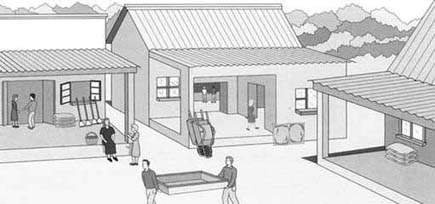
Finding answers to these kinds of questions is called market research. Market research is very important for your business. It means getting information about your customers and competitors.
But it is not enough to know who your customers are and what they want. You must also find out if there are enough customers. Not everybody will buy from your business.
Reliable Tailors used to make school uniforms. The market for school uniforms is large. But by doing market research Reliable Tailors found out that there are too many businesses making school uniforms and that sales for each business are very low.
Reliable Tailors decided to find out about the customers for other products, for example, overalls and protective coats. This is how they found out how many customers there are for protective coats. You can learn about your customers in the same way:
1. Reliable Tailors counted the number of shops in town. There were 80 shops altogether.2. Reliable Tailors asked 10 shops how often they buy new protective coats for their shop assistants. Most said they buy twice every year. Most shops have three people who need protective coats. This means each shop buys six protective coats each year.
3. Some customers will not buy from Reliable Tailors. They will buy from other tailors. Out of the 80 shops in town, Reliable Tailors think they can sell to 40 shops.
4. Reliable Tailors expect to sell 240 protective coats per year.
All businesses need to understand their customers and know about their competitors. Doing market research will help you to satisfy your customers by making decisions on:
· what products or services to sell
· what prices to charge
· how to get your products to your customers
· how to inform customers and attract them to buy.
Market research can be done in many practical ways by you and your employees. Here are some examples of how you can find out more about your customers and competitors:
Talk to your customers or ask them to fill in a questionnaire. Ask them, for example:
· why they buy from you· if they are satisfied with your goods or services and the way they are treated at your business
· if there are other goods or services they would like to buy.
Listen to what your customers say to each other about your business and your goods and services.
Find out why some customers do not stop to buy from your business. Think of yourself. When you want to buy something, why do you go to one business and not to another? Is it because one business has a better product, a better price, better services, or is nearer to you?
Study your competitors’ businesses. Find out about:
· their products or services, for example, quality and design· what prices they charge
· how they attract customers to buy
· what customers say to each other about the goods and services in your competitors’ businesses
· why customers buy from your competitors’ businesses instead of from your business.
Ask suppliers, other businesses and business friends:
· which goods sell well in their businesses
· what they think about your products
· what they think about your competitors’ products.
Check your order books, your sales records and your stock records to find out which goods or services sell well.
Read newspapers, catalogues, trade journals and magazines to get information and ideas on new products or services.
Watch TV and listen to the radio to find out what is popular at the moment and to see what other businesses advertise and how they advertise.
|
|
Have you done market research to find out about your customers and competitors? |
Market research helps a business to know more about their customers and competitors. On the next page you can see how a tailoring business put together the information from their market research.
|
1 |
2 |
3 |
4 |
5 |
6 |
7 |
|
Our products or services |
Our customers |
How often and when do customers buy |
Our price |
Customers’ comments |
Competitor |
Competitor’s price |
|
- protective coats |
- owners and managers of shops, mostly general stores |
- twice every year - mostly in January and June |
- regular price 65 NU |
- good quality - good price- some customers want · more colours |
Qualify Clothing Enterprises - large company - good reputation - good quality - more colours - deliver large quantities - sales people visit customers |
- 70 NU and discounts for large orders |
1. In column 1, write the products or services you sell.2. In column 2, describe the customers for each product or service. Who are the people who want that product or service and are willing to pay for it? For example:
· Are they mostly men, women or children?
· Are they young or old? What type of work do they do?
· Are their incomes low or high?
· Where do they live and where do they buy? In rural areas, in town, near your business or far away?
3. In column 3, write down how often and when your customers buy each product or service. Is it every day, every week, every month, every year, in winter, in summer, on pay day, or after the harvest?4. In column 4, write down what price you charge for each product or service.
5. In column 5, write down what your customers think about your product or your service. For example:
· Do they like the design, the colours, the sizes? Why?
· Do your customers want products or services that you do not have?
6. In column 6, write down other businesses, your competitors, who sell the same or similar products or services as you do. What is special about their businesses, their products or their services?7. In column 7, write down the prices your competitors charge for each product.
|
|
For your market research, it is a good idea to write down information such as: · what customers complain about · ideas for new products or services |
|
Satisfy your customers
You have
· found out about your customers and competitors
· found out if there are enough customers.
Now, use the information about your customers to satisfy their needs. To satisfy the needs of your customers, improve your sales and make a profit, you need to find out:
· what product or service your customers want
· what price your customers are willing to pay
· at what place your business should be so you can reach your customers
· what promotion you can use to inform your customers and attract them to buy your products or services.
These are called the four Ps of marketing. They all start with a P: Product, Price, Place, and Promotion. So they are easy to remember.
|
Right |
+ |
Right |
+ |
Right |
+ |
Right |
= |
MORE CUSTOMERS |
To satisfy your customers and increase your sales, you will need to learn about and use all four Ps of marketing. Satisfied customers will come back to buy more from your business and will tell other people to buy from your business.
All four Ps are very important and must be given strong emphasis. If your business is weak in one or more Ps, you may not be able to satisfy your customers. Your business is in danger and may fail.
Timing of the four Ps is important. The right product, for the right price, at the right place and supported by the right promotion, must be available at the right time. The right time is when the customers require the product.
We will look at each of the Ps one at a time.
1. Product: What products or services to provide
To be successful in business you must have the products or services your customers want. This is called Product and is the first P of marketing.
FIND OUT WHAT CUSTOMERS NEED
Customers buy goods and services to satisfy different needs. For example,
· cold drinks satisfy a need to feel cool in hot weather
· bicycles satisfy a need for transport
· radios satisfy a need for news and entertainment
· clothes satisfy a need to wear something comfortable and a need to feel attractive.
Figure
A successful business finds out what customers want and need. The business provides the products or services to satisfy those needs.
|
|
Do you know your customers’ needs? Does your business provide the right goods or services to satisfy your customers’ needs? |
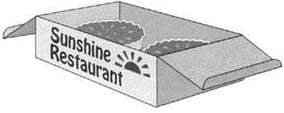
Sunshine Restaurant is a small restaurant in a good location, where customers can have a quick meal. This is how Sunshine Restaurant satisfies their customers’ needs:
· When they first opened, Sunshine Restaurant only sold cakes and biscuits. But the customers asked for more to choose from, so Sunshine Restaurant started to offer different kinds of food, such as sandwiches and pies.· Later on, customers began to ask for cooked food for lunch. Sunshine Restaurant bought a stove and started serving cooked meals.
· Sunshine Restaurant used to have small paper bags for all take-away foods. Customers started to complain. Now they also use boxes for some soft foods.
Always listen to what your customers like and do not like. When their needs change, change your products and services to satisfy the new needs. Do more market research. When you know what your customers want, you can provide those products or services and increase your sales.
PROVIDE WHAT YOUR CUSTOMERS WANT
Customers want to look at different products so that they can choose what they like best. For example,
· some customers want a different design
· some customers want high quality and are willing to pay extra for it.
If you always provide products or services of the quality your customers want, they will trust you and your business.
|
|
Remember, customers are the most important people for your business. Always keep your eyes open and try to understand their needs, Make sure you provide the products or services the customers want, not what you want. You are not the customer. |
Often ask yourself these kinds of questions:
· What products or services do I sell?
· Why did I decide to sell these products?
· Do I have the products customers want?
· Do I keep products that do not sell well?
If the answers to the questions tell you that customers want different products or services, you can:
· make or sell completely new products, or
· improve what you already make and sell by changing something about your product:
|
the design
|
the comfort
|
the colour
|
|
the size
|
the customer service
|
the guarantee
|
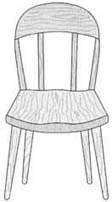

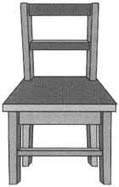

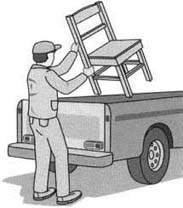

If you sell products which need packaging, you can also change the packaging. Packaging protects your products and makes them easier to handle. Packaging adds to your costs. But packaging can also make your products more attractive and help you increase your sales.
You may decide that products and services other businesses provide are much better than the products or services you can afford to make or sell. The changes you would need to make to your products are too big and would cost too much. When this happens, you decide to stop selling that product. By doing market research, you can decide on a better product or service for your business to sell.
LOOK FOR NEW IDEAS
Your products may not sell very well. Lots of other businesses may sell the same products. Customers may not want your products any more. If the products you sell do not make much profit, think of new ideas. Here are some examples:
If you only make and sell household furniture,
· find new types of customers such as schools and offices by selling school desks, shelves or office furniture.
If you are selling bread,
· find more customers such as restaurants, hospitals and schools.
If you are selling vegetables and fruit,
· think about what new products you can make from vegetables and fruit. You can, for example, make juice and marmalade from oranges.
Before you start making new products, make sure you do market research:
· Think of ideas and ask others. Get as many ideas as possible.· Find out which of those ideas can be made into products that customers would like and would be willing to pay for.
· Make sure there are enough customers who want your new products.
2. Price: What prices to charge
Price is the second P of marketing. Setting prices can be difficult but is very important. Your business may have very good products or services, but if your prices are wrong, you will not sell much.
When you work out a price on a product or a service, you need to know how cost, price and profit work together:
|
Cost |
+ |
Profit |
= |
PRICE |
OR |
Price |
- |
Cost |
= |
PROFIT |
Your total profit from sales depends on:
· how much profit you make on each product or service
· how many of each product or service you sell.
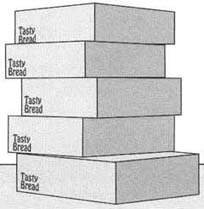
Tasty Bread is a bakery. One of the products they make are cakes which customers buy at the bakery. Tasty Bread have tried both low and high prices:
|
|
|
|
When they put a high price on these cakes, they make a big profit on each cake. But at that price, they only sell one or two cakes a day. |
When they put a low price on these cakes, they make a small profit on each cake. But at that price, they sell many cakes a day. |
| | |
|
Number of products sold x profit per product = total profit | |
|
|
|
|
1 cake x 5 NU profit per cake = 5 NU |
5 cakes x 2 NU profit per cake = 10 NU |
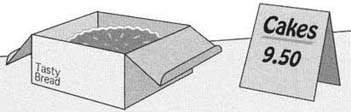

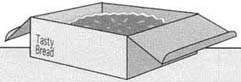
So, you can make a large total profit on a low price. It all depends on how many items of a product you sell and how much profit you make on each item.
HOW TO SET YOUR PRICES
In general, your prices must be:
· low enough to attract customers to buy, and
· high enough to give your business a profit.
You must have certain information before you decide what prices to charge your customers. To set your prices you need to:
· know your costs
· know how much customers are willing to pay
· know your competitors’ prices
· know how to make your prices more attractive.
Know your costs
You must know the total costs of making and selling each product or service. The total costs include materials, labour, rent, electricity, transport and all other costs in your business. To make a profit, your price must be higher than your total costs for the product.
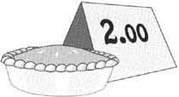
Look at how Sunshine Restaurant set prices. First they must know their costs. The total costs of making one pie are 2 NU. To make a profit, they must sell each pie for more than 2 NU.
|
|
|
| ||||||||||||
| | |
| ||||||||||||
|
LOSS |
NO PROFIT |
PROFIT | ||||||||||||
|
Price |
- |
Cost |
= |
Profit |
Price |
- |
Cost |
= |
Profit |
Price |
- |
Cost |
= |
Profit |
|
1 NU | |
2 NU | |
-1 NU |
2 NU | |
2 NU | |
0 NU |
3 NU | |
2 NU | |
1 NU |
| | | | ||||||||||||
|
-1 NU means a 1 NU loss |
0 NU means no profit |
1 NU means a 1 NU profit | ||||||||||||
| | | | ||||||||||||
|
A price lower than the total cost gives you a loss. |
A price at the same level as the total cost gives you no profit. |
A price higher than the total cost gives you a profit. | ||||||||||||


|
|
The COSTING chapter tells you how to calculate the costs of a product or a service. |
Know how much customers are willing to pay
Customers must be willing to pay your prices. If you set a price which is too high, you will soon know because you will sell very little or nothing.
Sunshine Restaurant asked many customers how much they were willing to pay for a pie. Almost all of them said that 3.50 NU is too much money to pay for a pie. Many of them said they would buy a pie if it does not cost more than 3.25 NU. Sunshine Restaurant now knows that the price for pies should be somewhere between 2.00 NU and 3.25 NU:
· 2.00 NU is the total cost for a pie
· 3.25 NU is the highest price the customers are willing to pay.
If the price customers are willing to pay is lower than your costs, try to cut your costs. If you cannot cut your costs, maybe you need to find another product or service to sell.
Know your competitors’ prices
Find out how much your competitors charge for products or services which are the same or similar to yours.
In general,
· if your prices are lower than your competitors’, you may attract more customers to buy from your business· if your prices are higher than your competitors’, your customers may buy from your competitors.
There may be a reason why you want to charge a higher or lower price than other businesses.
You may want to charge a lower price, for example:
· if your product or service is new and people do not yet know about it
· if you want to attract new customers.
You may want to charge a higher price, for example:
· if customers feel that your product or service is better than the competitors’
· if you provide some extra service such as longer opening hours, free delivery or a good guarantee.
|
|
Be careful: if you try to sell more by cutting prices too much, it can be dangerous for your business. To make a profit, your prices must always be higher than your costs, Therefore it is important to know your costs. |
Sunshine Restaurant found out that most competitors charge 3.25 NU for pies. They now have a lot of information about prices for pies:
· the cost for a pie......................................... 2.00 NU
· the price customers are willing to pay........ 3.25 NU
· competitors’ prices for pies........................ 3.25 NU
Sunshine Restaurant has not yet decided what price to charge for pies. They are thinking of charging 3.00 NU. If customers buy from other places, they have to pay 3.25 NU.
Know how to make your prices more attractive
There are many ways to make your prices sound more attractive to your customers. Sunshine Restaurant decided on a price of 2.99 NU for the pies. 2.99 NU sounds much less than 3.00 NU, even though there is only one cent difference.
To attract customers to come to your business, you can sometimes use special offers - even with low profits. When your customers come for the special offers, they often buy other products as well.
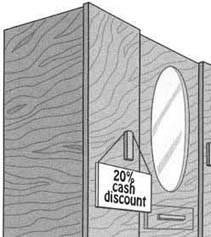
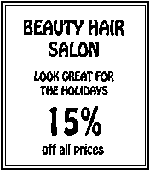
A discount also means a lower price. You can get a discount from a supplier. You can give a discount to a customer. Here are some examples:
|
If a customer buys a large quantity, you can offer a quantity discount. |
If a customer pays cash, you can offer a cash discount. |
At certain times of the year, you can offer a seasonal discount. |
|
| | |
|
|
|
|

|
|
What do you do to make prices in your business more attractive? |
3. Place: How to reach your customers
Your business may have good products at prices that customers are willing to pay, but sales may still be low. The reason may be that customers do not know where to buy your products or services.
The third P in marketing is called Place. Place means location - where your business is. Location is especially important for retailers and service operators, who need to be where it is convenient for their customers.-
Place also means different ways of getting your products or services to your customers. This is called distribution. Distribution is especially important for manufacturers.
LOCATION - WHERE YOUR BUSINESS IS
Before Sunshine Restaurant was started the owner thought about where to locate the business. She wanted to know which place would be best for her customers.
|
In the residential area? |
In the business centre? |
Where the small manufacturers are? |
|
|
|
|

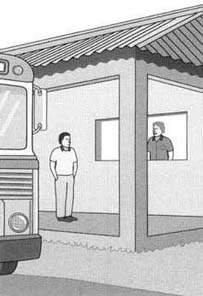

|
· To sell well, most retailers and service operators need to be where their customers are. Good places for retailers and service operators are where many people pass by or where many people live. · For example, a good place for a take-away restaurant is near a bus station at a business centre. A lot of people pass there. An area where many small manufacturers work is also a good place for a take-away restaurant. Workers want to buy something to eat for lunch. · A residential area is not a good place because most people are away during the day or they cook their own food in their homes. 1. Where is a good place for a grocery store?
Why? 2. Where is a good place for a taxi business?
Why? |
|
1. A good place for a grocery store is near where customers live. Customers can then easily get to the store and carry their groceries home. 2. A good place for a taxi business is where there are lots of people who often need to; travel. For example: · where people look for transport to go to work or to come home from work · at shops and hotels. |
|
|
Why have you located your business where it is? Is it a good place? Why? Is there a better place for your business? |
|
|
Make sure your business is not in a place where there are too many other businesses selling the same products or services you sell. |
DISTRIBUTION - GETTING YOUR PRODUCTS TO YOUR CUSTOMERS
For manufacturers it is not always important to be near their customers. It is often more important to have:
· a cheap rent
· a reliable and convenient supply of raw materials.
If your business is not where your customers are, you must find ways to get your products to where it is easy for customers to buy. This is called distribution. Distribution is particularly important for manufacturers.
There are different ways to distribute your products to your customers:
· You can sell directly to the customers who use your products. This is called direct distribution.· You can sell to other businesses which then sell your goods to consumers or other businesses. Those businesses are mostly retailers or wholesalers. This is called retail distribution and wholesale distribution.
Direct distribution
Direct distribution means selling your products directly to the customers who use them.
When you sell your products directly to the customers who use them, you can talk to them and find out what they like, want and can afford. So, direct distribution is most useful for those manufacturers who make products to each customer’s order.
|
DIRECT DISTRIBUTION | ||
| | | |
|
Manufacturer |
® |
Customer |
| |
| |
|
makes the product |
|
uses the product |
Direct distribution is useful for some businesses. But it takes time and it can be expensive for your business. For example, think of the costs for transport, wages or your salary, for the time you or your employees spend selling or delivering goods to customers.
|
DIRECT DISTRIBUTION is most useful for your business if you: · make specialized products, where you need to discuss the product with the customer - for example, making clothes or furniture to each customer’s order · have few customers so you can keep in contact with each of them - for example, making carriers for a large bicycle manufacturer · make fairly expensive products that customers do not buy very often - for example, making carts · provide a service with the product you make - for example, making burglar bars and putting them up for the customer. |
Retail distribution
Retail distribution means selling your products to shops and stores who then sell to the customers who use the products.
Retail distribution is useful for businesses that make products in large quantities. Retailers often reach more customers in a larger area than your business can do on its own. So, when you sell your products to retailers you reach more customers, your sales may increase and your business can grow.
|
RETAIL DISTRIBUTION | ||||
| | | | | |
|
Manufacturer |
® |
Retailer |
® |
Customer |
| |
| | |
|
|
makes the product |
|
buys and sells the product | |
uses the product |
Retailers can do a lot of work that your business has to do on its own if you sell directly to the customers who use your products. For example, retailers:
· keep in contact with customers. This gives you more time for production and other important activities.· stock your products. This helps your business to have less money tied up in stock.
· help promote your products by advertising, etc.
Retailers do a lot of work that your business would have to pay for otherwise. Because of that you charge them a lower price than you would charge the customers who use your products. On the other hand, retailers often pay you immediately when they get your products.
|
RETAIL DISTRIBUTION is most useful for your business if you make goods in large quantities, and you: · make standard products which normally do not need a lot of contact with customers about design, colour, size, etc. - for example, making hair oil or shampoo · make low-priced products that customers buy often - for example, making soap · have many customers and it takes a lot of time to stay in contact with each customer - for example, making standard cups and plates · have customers in a large area so that it is difficult, takes time, and is expensive to reach all of them - for example, making farming equipment. |
Wholesale distribution
Wholesale distribution means selling your products in very large quantities to wholesalers who sell them in smaller quantities to retailers.
Wholesale distribution is useful for businesses that make products in very large quantities. Wholesalers can normally reach even more customers in a larger area than retailers can. So, when you sell your products to wholesalers, you reach even more customers, your sales may increase and your business can grow.
Wholesalers sell to retailers who then sell to the customers who use your products. Like retailers, wholesalers do a lot of work that your business otherwise would have to do on its own. For example, wholesalers:
· keep in contact with retailers who buy your products
· stock and transport your products
· promote your products.
|
WHOLESALE DISTRIBUTION | ||||||
| | | | | | | |
|
Manufacturer |
® |
Wholesaler |
® |
Retailer |
® |
Customer |
| |
| | |
| | |
|
makes the product |
|
buys from manufacturer and sells to retailer | |
buys from wholesaler and sells to customer | |
uses the product |
Wholesalers do a lot of work that your business would have to pay for otherwise and can help you to reach many more customers in a very large area. Because of that you normally charge them an even lower price than you would charge a retailer.
|
WHOLESALE DISTRIBUTION is most useful for your business if you: · make low-priced, standard
products in very large quantities, and |
Which type of distribution is best for your business?
Each type of distribution is useful for different types of businesses. Before you decide if you want to change your distribution, think about:
Your products
· Do you make standard products or products to each customer’s order?
· Do you make low-priced products or high-priced products?
· Do you provide any special service with your products?
Your customers
· Do you have many or few customers?
· Where are your customers? Nearby or far away?
· How much do they usually buy?
Your business
· What does your business have difficulties with? Would your business improve if someone else does the selling, stocking, promoting, etc.?· What can your business do best on its own? If you sell to retailers or wholesalers, will your business improve? How?
Your sales, costs and profit
· How much can you sell with each type of distribution?· Can you make and sell enough to supply retailers or wholesalers with the quantities they want?
· Which type of distribution will give your business the highest sales and the highest profit?
4. Promotion: How to attract customers to buy
Your business may be in a good place, have good products at prices that customers are willing to pay, but your sales may still be low. Why?
Maybe it is because you do not tell people about your business and what it can offer. This is called Promotion and is the fourth P of marketing. Promotion means informing and attracting people to buy your products or services.
Decide how much you can spend on promotion and what types of promotion to use. Promotion sometimes costs a lot and it is important to use the best type of promotion for your business.
Do not sit and wait for customers to come to you. Do promotion, sell more and increase your profit by:
· advertising - making customers interested
· sales promotion - getting customers to buy more
· publicity - getting free promotion
· improving your skills as a salesperson.
ADVERTISING
Advertising is giving information to people to make them more interested in buying your goods or services. Let us look at some ways to do good advertising for your business.
Signs
Use signs so that people know and remember the name of your business, what it sells, where it is, when it is open, and so on. Bright colours, clear writing and a picture or symbol will make more people see your signs. Do not put too much information on your signs. It is difficult to read a sign with a lot of information. It is a good idea to find a good, local sign-painter to help you.
Boards, posters and leaflets
Use boards, posters and leaflets to tell customers about special offers, discounts, new products, and so on. You can use paper or chalk and a chalkboard.
Write on the boards, posters and leaflets. Make your posters big enough so that people will notice them. Use the information from your market research and put the posters where many people can see them. Give leaflets to people who may be interested in buying your products or services.
Business cards, price lists, special letters and photos
Use business cards to tell people who you are, the name of your business, your location and what you sell. Use a price list to tell people about all the products you sell and how much they cost. Write special letters to promote your business to people you think will be interested in buying your products or services.
You can use a rubber stamp to make your own business cards and letterheads. To give a good impression make sure that your letters are neat and that the information is clear. Ask customers to give your price lists and business cards to their friends and other people who may be interested in your products or services.
Newspapers, radio and television
· Advertising in the local newspaper is sometimes good but it is usually quite expensive.· Advertising on the radio can be useful in some places - especially if there are many people who do not read and write but often listen to the radio.
· Advertising on television is expensive and is often used by large businesses who want to reach many customers in a large area.

Figure
When you advertise, think about what customers would like to know. Customers want to know:
· what products or services you sell
· your prices and terms
· where they can buy your products
· why they should buy from your business. What is special or different about your business, your products or services.
SALES PROMOTION
Sales promotion is everything you do to make customers buy more when they have come to your business. You can do sales promotion in many different ways.
Displays
Display is the way you arrange your products. Display is important for all businesses, especially for shops and stores. Good display makes it easier for customers to see your products so they can choose and buy.
Keep your business:
· well organized
· well lit, clean and fresh-looking
· attractive, with your products well displayed.
On the opposite page are some ideas on how to display your goods to increase your sales:
|
1. Put your goods in groups Put similar products next to each other. This makes it easier and quicker for customers to find what they are looking for. For example: · put hot drinks like tea, coffee and cocoa together · put all cleaning materials together |
2. Make your shelves look full Do not keep a lot of goods in your storeroom. Keep most of your goods where customers can see them and buy them. Do not let your shelves get empty before you fill them again. Empty shelves make your business look badly stocked. Move goods towards the front of the shelves to make the shelves look full. |
3. Show the front of the packages The front of a package usually looks bright and attractive. This makes it easier for customers to see their favourite products and to be attracted to new products. |
|
| ||
|
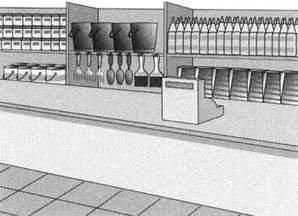
4. Put goods where they can be seen easily If your business has a counter, do not have too much space between the shelves and the counter. If customers can see your products clearly, they may decide to buy. Put small items such as sweets in glass shelves, or buttons in glass jars, so customers can see them. |
5. Put goods at the customer’s eye level Customers will see and buy goods which are at the same level as their eyes. It is more difficult to see goods near the floor or high up on a shelf. If you need to use those shelves, only use them for well-known products which customers often buy. |
6. Show the prices clearly Customers want to know the prices of your goods without having to ask you. You can show the price on the edge of the shelf, below each different product. Write large enough for the customers to see the price clearly. |

More ideas for sales promotion
Let customers try new products
Let customers try or taste new products, to interest them in buying the new products.
Make special offers
Use special offers to sell more of your regular goods, seasonal goods or new goods. You can also use special offers for goods which have been selling slowly and goods which are slightly old or damaged.
Give demonstrations
Show customers how to use products that are technical or difficult to understand. When customers can see how something works and how well it works, they become more interested in buying.
Sell products that go together
To sell more, put products that go together next to each other. Torches and batteries go together. They are not useful on their own. Remind customers to buy them.
There are no rules for sales promotion, but remember:
· Be creative, use your own ideas and try something different.· Keep customers interested. Change the type of sales promotion often and only use each for a short time.
· Do not use too many types of sales promotion at the same time. Customers may feel you are forcing them to buy.
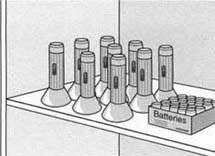
Figure
PUBLICITY
Honey Bee is a successful bee-keeping business. A journalist wrote a story about the business in the local newspaper. Because of the story many people found out about their products and sales increased for Honey Bee. They got publicity.
Publicity is free promotion through an article in a newspaper or magazine which tells people about your products or services. The article promotes your business. Good publicity increases your sales.
Publicity works well because:
· people who do not read advertisements may read the article about your business
· people believe what they read in an article more than they believe advertisements.
It is not easy to get publicity for your business. You can write an interesting letter to a local newspaper, magazine or the radio and describe what your business does and how it serves the community. If they think they can make a good article about your business they might come and interview you.
Word of mouth - what people say about your business
There is another type of publicity which is free. It is probably the most common way new customers find out about your business. It is called word of mouth. Word of mouth means that people tell others what they think about you, your business and what you sell. The word travels from one person to another. Make sure it is a good word so it gives your business a good reputation.
Word of mouth can also be bad for your business. Bad words about your business travel very fast - almost like a fire. It takes a long time to build a good reputation again. So, always make sure that customers talk well about you, your employees and the products or services your business sells.
IMPROVING YOUR SKILLS AS A SALESPERSON
You have attracted customers to come to your business with good advertising and good sales promotion. But your product or service is not yet sold. How well you will sell now depends on you. Your skills as a salesperson can make the difference between success and failure.
How to be a successful salesperson
To improve your skills as a salesperson and increase your sales you need to:
· know your customers and their needs
· know how to treat your customers
· know your products and how to sell them.
Know your customers and their needs
Customers are different. For example:
· some customers can never make up their minds
· some customers are always in a hurry
· some customers never have enough money.
To be successful, try to understand and get to know every customer. First find out what the customer really needs by listening and asking questions. Then satisfy the customer’s needs by:
· giving advice
· offering suitable products or services.
Know how to treat your customers
Successful salespeople try to see things through the customer’s eyes. This means that you should try to think of yourself as a customer.
Treat your customers the way you like to be treated when you are a customer:
· Greet your customers. Call them by their names.· If you are already serving a customer, greet new customers and tell them that you will soon help them.
· Be polite and friendly so that customers feel welcome and enjoy visiting your business.
· Do not talk too much. Listen carefully to what your customers say and ask questions to find out what they need.
· Be patient. Give the customers time to ask questions and decide if they want to buy.
· Always be honest and trustworthy. For example, tell your customers the good and bad points about a product or a service.
· Do not disagree with your customers if they decide they do not want a product. Allow them to say no.
· Never argue with a customer. Make your customers feel they are right.
· Thank your customers for coming to your business.
|
|
Customers are the most important people for your business. Treat customers the way you like to be treated when you are a customer. |
Know your products and how to sell them
To get respect and trust from your customers and to sell well, you need to know your products. Your customers may ask many questions about your products, or services. Be sure you know the answers.
|
|
|
|
|
· Do I use it with cold water or
hot water? |
· How do I keep it clean and
shiny? |
· Is the material
strong? |

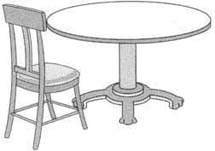

Even if you know your products very well, you may still not sell much. The reason can be that you do not know how to show and explain your products to your customers. For example, if you are selling a radio and tell the customer that the radio has short and medium wave bands, earphones and a manufacturer’s guarantee, the customer might not understand these technical details.
To make it easier for customers, a skilled salesperson:
· first tells the customer what the product can do and how it can be useful
· then gives the technical information that is needed.
If you are selling a radio you can explain the details this way:
· “You can listen to all local programmes very clearly. You can also listen to many programmes in other countries because this radio has both short and medium wave bands.”· “You can listen without disturbing others because this radio has earphones. When you use the earphones, only you can hear.”
· “If you have any problems with this radio in the first six months, we will repair it free of charge because the manufacturer gives a six-month guarantee.”
|
|
What type of salesperson are you? What do you think your customers say about you as a salesperson? |
Review
Summary
Marketing is everything you do to satisfy the needs of your customers and make a profit by:
· providing the products or services they need
· setting prices that they are willing to pay
· getting your products or services to them
· informing and attracting them to buy your products or services.
Your customers are the people or other businesses, who want your products or services and are willing to pay for them.
Do market research to learn about your customers and competitors.
The first P of marketing is Product. Product means having the products or services your customers want.
Customers buy goods and services to satisfy different needs and wants. A successful business finds out what customers need and then provides the products or services to satisfy those needs.
Keep your eyes and ears open for ideas about new products or services.
The second P of marketing is Price. In marketing, price means:
· setting a price that your customers are willing to pay
· making sure the price is attractive and still gives you a high enough profit.
Before you set a price, you need to know:
· your costs
· how much customers are willing to pay
· your competitors’ prices
· how to make your prices more attractive to your customers, for example by using special offers and discounts.
The third P of marketing is Place. Place means:
· location - where your business is located, and
· distribution - how to get your products or services to your customers.
Most retailers and service operators need to be where it is convenient for their customers. Manufacturers need to have a good way of distributing their products to their customers.
Direct distribution is most useful for your business if you make fairly expensive, specialized products and have few customers who may want a service with the product you make.
Retail distribution and wholesale distribution are most useful if you make a large quantity of standard, low-priced goods and have many customers in a large area.
The fourth P of marketing is Promotion. Promotion means informing and attracting the customers to buy your products or services.
Do promotion, sell more and increase your profit by:
· advertising
· sales promotion
· publicity
· improving your skills as a salesperson.
Use advertising to make customers more interested in buying your products or services.
Use sales promotion to make customers buy more when they have come to your business.
Publicity is free promotion. For example, a good story about your business in a newspaper or on a radio gives you good publicity. Word of mouth means that people tell others what they think about you, your business and what you sell.
Improve your skills as a salesperson. To be a successful salesperson and increase your sales you need to:
· know your customers and their needs
· know how to treat your customers
· know your products and how to sell them.
What did you learn in this chapter?
Now that you have worked through this chapter, try these practical exercises. The exercises will remind you of what you have learned and help you to improve the marketing in your business.
Compare your answers with the Answers. If you find it difficult to work out an answer, read the relevant part of the manual again. The best way to learn is to finish an exercise before you look at the answers. Check the list of Useful Business Words.
|
|
You have learned more about marketing in this chapter. But what you have learned does not help until you use the new knowledge in the day-to-day running of your business. Remember to do the Action Plan to improve the marketing in your business. |
Marketing at Beauty Hair Salon
Beauty Hair Salon is located in the middle of the business centre in a small town. Beauty Hair Salon have friendly, qualified employees and a good reputation. Customers come to Beauty Hair Salon for trimming, styling, washing, cutting and colouring.
Beauty Hair Salon have noticed that some women in the business centre have a perm which is a new fashionable hairstyle. They do not do perms. Beauty Hair Salon want to increase their sales. So they do market research to find out about offering a new product, perms.
The following is the information Beauty Hair Salon found about perms in their market research.
|
1 |
2 |
3 |
4 |
5 |
6 |
7 |
|
Our products or services |
Our customers |
How often and when do customers buy |
Our price |
Customers’ comments |
Competitors |
Competitors’ price |
|
- Perms |
- young women who shop or work in the business centre - women with high status jobs, e.g. business women, secretaries, office clerks, teachers - women with fairly high income - a bank and a large commercial office will soon be opening in the business centre - 30 customers who came to Beauty Hair Salon last week said they wanted and could afford perms |
- every three months · a perm lasts for three months - restyle once a month · a perm can be changed into different styles |
- to be decided - the cost of a perm is 70 NU |
Customers want: - to look attractive - to look wealthy enough to afford a fashionable hairdo - the most fashionable hairstyle - low prices - hairdos that last a long time - perms that can be changed into different styles |
Fashionable Hair Care offer perms. They have: - a very good reputation - high prices but offer discounts - very qualified employees - knowledge about the latest hairstyles - 0.5 km from the business centre Top Hairstyles offer perms. They have: - a poor reputation - quite high prices - unqualified employees - 2 km from the business centre |
Fashionable Hair Care: Top Hairstyles: |
|
MARKETING AT BEAUTY HAIR SALON What advice can you give Beauty Hair Salon about the new products? Think about the 4 Ps of marketing: Product, Price, Place and Promotion. Use the information from Beauty Hair Salon’s market research to answer these questions: 1. Product: What needs do customers have that Beauty
Hair Salon do not
satisfy? 2. Price: Can you advise Beauty Hair Salon what price
to charge for a perm? Explain how you set the
price. 3. Place: Is Beauty Hair Salon in a good place? Why or
why
not? 4. Promotion: If Beauty Hair Salon decide to offer
perms, what types of promotion do you suggest they can use to attract customers?
Think of as many ideas as
possible. 5. Is it a good idea for Beauty Hair Salon to offer perms?
Why or why
not? |
|
Answers to MARKETING AT BEAUTY HAIR SALON 1. Customers have the following needs that Beauty Hair Salon do not satisfy: · The need to look fashionable - Beauty Hair Salon do not offer fashionable hairstyles such as perms. ____________________________________________________________________ 2. First, to set their price Beauty Hair Salon must know the costs. The costs of a perm are 70 NU. So, to make a profit, Beauty Hair Salon must charge a price which is higher than 70 NU. Then, Beauty Hair Salon need to think about competitors’ prices and what price customers are willing to pay: · Top Hairstyles charge TOO NU. They have a poor reputation, unqualified employees and are 2 km from the business centre. Beauty Hair Salon have a good reputation, qualified employees and they are near their customers. So, Beauty Hair Salon should charge a price which is higher than 70 NU - the cost of a perm. The best price for Beauty Hair Salon to charge is probably: · higher than 100 NU - the price at Top Hairstyles Beauty Hair Salon can also think of ways to make the price for perms more attractive. For example, they can offer a special introductory price or give some other types of discount. ____________________________________________________________________ 3. Yes, Beauty Hair Salon is in a good place. Their location in the middle of the business centre is convenient for their customers. Fashionable women with fairly high incomes work in the business centre and many other women come to the business centre for shopping, or to find transport. When the bank and the large commercial offices open, there will be even more customers. Then Beauty Hair Salon’s location will be even better. ____________________________________________________________________ 4. Beauty Hair Salon can use many types of promotion. They can: · Put a sign in their window, or a board outside the salon, saying that they do the latest, fashionable perms. ____________________________________________________________________ 5. Yes, it is most likely a good idea for Beauty Hair Salon to offer perms because: · The product will satisfy their customers’ needs to look attractive, fashionable and wealthy. · They can make a profit on perms. Beauty Hair Salon can charge between 100 NU and 120 NU, which is more than the cost of 70 NU. |
|
|
| ||||||||||||||||||||||||||||||||||||||||||||||||
Improve Your Business: Basics (ILO, 1999, 188 p.)
BUYING
IN THIS CHAPTER YOU WILL LEARN HOW TO
|
NOTE |
Since this book is intended for use in many different countries, we have used the term “NU” in the examples to represent an imaginary “National Unit of currency” |
Buying to sell
WHAT IS BUYING?
Businesses buy raw materials, goods and equipment to:
· make products to sell
· provide services
· resell.
Here are some examples:
|
|
® |
|
|
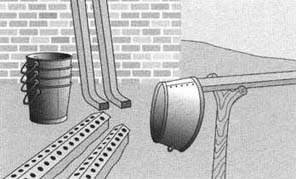
A metal workshop buys equipment and raw materials such as metal sheets, nuts, bolts, welding equipment and tools. | |
It uses the equipment and the raw materials to make and sell products such as gutters, buckets and feeders. |
| | | |
|
|
® |
|
|
A hardware store buys goods such as paints, fertilizer and tools. | |
It resells the goods to customers. |


IS BUYING IMPORTANT?
|
THINK ABOUT WHAT HAPPENS IN THESE THREE BUSINESSES: · A tailoring business Quality Tailors are convinced by a supplier’s sales representative that a new thin silky material is very popular and that the customers will like it. The material is expensive but they buy 50 metres. Unfortunately the demand for the material is low and one year later Quality Tailors still have 40 metres in stock. · A bakery Village Bakery run out of flour very often. Sometimes they have to go to town to buy flour three times a week. · A general store Star Store buy a lot of soap powder but do not manage to sell any of it because their customers want bars of soap. 1. What is the problem with the way Quality Tailors do their
buying? 2. What do Village Bakery do wrong in their
buying? 3. What do Star Store do wrong in their
buying? |
|
1. The problem with Quality Tailors’ buying is that they do not know what their customers want. They buy what the supplier tells them to buy. 2. Village Bakery do not buy enough flour and often run out. It takes a lot of time and costs a lot of money for transport for them to go to town to buy more. 3. Star Store bought too much soap powder. Their customers do not want soap powder. They want bars of soap. |
|
|
Buy the goods, material or equipment that give your business the best profit. Before you buy, make sure you know what your customers want. Read about how to do market research in the MARKETING chapter. |
WHAT YOU BUY FOR YOUR BUSINESS
Businesses need to buy:
Equipment
Equipment is all the machinery, tools, workshop fittings, office furniture, etc., that your business needs. Equipment is expected to last for a long time and is often expensive. When you need to buy equipment, find out as much as you can about all the different types of equipment you could use. Your equipment will need repairs. Ask the supplier about spare parts and repairs before you buy any equipment.
Raw materials
Manufacturers need raw materials to make goods to sell. Raw materials are all the materials and parts that go into the products you make. Before you buy raw materials, find out what different materials you need and what quality of raw materials you need.
Finished goods
Wholesalers and retailers buy and sell finished goods made by manufacturers. Do market research and think carefully before you buy finished goods. Buy goods that your customers want.
BUY WELL TO IMPROVE YOUR BUSINESS
When you buy equipment, raw materials or finished goods:
Buy the right quality
Buy the quality of goods your customers want.Buy the right quantity
Buy the quantities your business needs and your customers want - not too much or too little.Buy at the right price
Buy at prices your business can afford and your customers are willing to pay. Make sure that the prices you pay give your business the profit it needs.Buy at the right time
Buy when your customers and your business need the goods, materials or equipment - not too early or too late.
|
|
The MARKETING chapter tells you more about how to decide which finished goods to buy and sell. The STOCK CONTROL chapter tells you more about buying the right quantities of goods and materials at the right time. |
Steps to follow when you buy
There are certain steps to follow when you buy goods, materials, equipment or anything else your business needs. You can follow the same steps for any kind of business.
|
STEP 1. |
Find out what your business needs | | |
| | |
| |
|
STEP 2. |
Get information about different suppliers | |
|
|
| | |
|
|
STEP 3. |
Contact the suppliers |
USE THIS BUSINESS DOCUMENT ® |
ENQUIRY |
| | | | |
|
STEP 4. |
Choose the best suppliers for your business |
USE THIS BUSINESS DOCUMENT ® |
QUOTATION |
| |
| | |
|
STEP 5. |
Make the order |
USE THIS BUSINESS DOCUMENT ® |
ORDER |
| | | | |
|
STEP 6. |
Check the goods immediately |
USE THIS BUSINESS DOCUMENT ® |
DELIVERY |
| |
| | |
|
STEP 7. |
Check the invoice |
USE THIS BUSINESS DOCUMENT ® |
INVOICE |
| | | | |
|
STEP 8. |
Pay |
USE THIS BUSINESS DOCUMENT ® |
RECEIPT |
All eight steps are important. When you choose new suppliers, it is especially important to follow steps 1, 2, 3 and 4.
STEP 1. FIND OUT WHAT YOUR BUSINESS NEEDS
Make sure you know as much as possible about your customers - who they are and what they need and want. Here are some important questions to ask yourself before you decide what your business needs:
- Which different kinds of customers am I trying to sell to?
- What products or services do they want? Why do they want them?
- What prices are they willing to pay?
- How often and how much do they buy?
- Where and when do they usually buy?
- Who are my competitors and how good are they?
When you know what your market wants, you as a buyer can make better decisions about:
· what materials or equipment you need if you make goods to sell
· what goods you need if you resell finished goods
· what quantities you need
· what prices you are prepared to pay
· when you need the goods or materials.
|
|
The MARKETING chapter tells you more about how to understand and satisfy the needs of your customers with the goods or services they want. |
STEP 2. GET INFORMATION ABOUT DIFFERENT SUPPLIERS
Find out which suppliers sell the goods, materials or equipment you need. There are many ways to find out:
· Ask the people who work with you, your business friends, your business trainer, or others. Also, find out from your competitors where they buy.· Contact organizations that support small businesses, for example, the local Chamber of Commerce. They sometimes know about useful, reliable suppliers.
· Look in newspapers, magazines and trade journals. Sometimes there is a list of businesses at the back of the telephone book.
For each supplier, find out as much as possible about what goods, materials or equipment they offer, prices and discounts, credit, deliveries and so on. Try to find out from others how reliable each supplier is. For example:
· Does the supplier usually deliver on time?
· Does the supplier accept returned goods or materials?
· How responsible is the supplier for the quality of goods and materials?
Speak to other businesses about buying together. If other businesses need the same goods or materials, you can save money for your business and your customers by:
· getting discounts for bulk orders
· sharing transport costs.
By buying together, you can sometimes buy directly from the manufacturers and get even lower prices than from wholesalers.
|
|
How did you find out about the suppliers you buy from? Do you sometimes order together with other businesses? |
STEP 3. CONTACT THE SUPPLIERS
When you have a list of good suppliers, find out what each supplier can offer you. To compare the different suppliers, find out what each one can offer by:
· visiting
· phoning
· writing to them.
If your business is far away from suppliers, it is sometimes better to write or phone instead of visiting them. Visiting suppliers takes time and costs money. Think of transport costs. Also, your business will suffer when you are not there.
It is best to get a reply to your questions in writing. Ask for a written quotation. A written quotation makes it easier if there will be any disagreements between you and your suppliers. You will learn more about quotations in step 4.
A neat written enquiry makes a good impression. So, write neatly by hand or, even better, have it typed. You can write your letter in a duplicate book so that you have a copy.
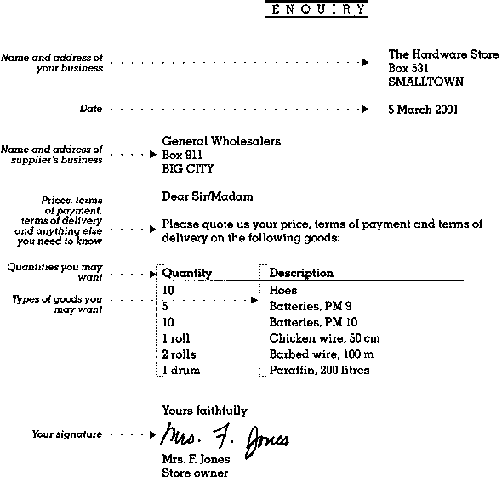
Figure
A written enquiry is useful for any kind of business, especially when you:
· deal with a new supplier
· buy expensive goods or services
· order seasonal goods such as seeds, umbrellas, blankets or jerseys.
Get as much information as possible about:
What different kinds of goods, materials or equipment each supplier can offer:
· Does the supplier have what you need, in the qualities and quantities you need?
· What is the smallest amount you can buy?
Prices and terms of payment:
· Do you need to pay cash or can you get credit?
· How much credit can you get?
· How soon do you need to pay?
· Can you get discounts if you buy large quantities or pay quickly?
· How much discount can you get?
Terms of delivery:
· Will the supplier deliver to your business?
· How soon after the order will they deliver?
· Do you pay for transport or is delivery free?
STEP 4. CHOOSE THE BEST SUPPLIERS FOR YOUR BUSINESS
The cheapest supplier is not always the best. Compare the quotations to find out exactly what the different suppliers can offer. A quotation is an answer to your enquiry. In a quotation, the supplier gives you detailed information about the goods, materials or equipment, prices, payment, delivery and any other conditions.
Decide what is most important for your business. It can, for example, be:
· credit
· regular and reliable deliveries
· low prices.
When you have decided what is most important for your business:
· carefully read the quotations you have received
· try to negotiate with the suppliers
· choose the best suppliers for your business.
|
Hardware Supplies Number: 136 QUOTATION The Hardware Store Dear Mrs Jones Referring to your enquiry, we are happy to offer you the following goods and conditions. | |||
|
Quantity |
Description |
Unit price |
Total price |
|
10 |
Hoes |
17.00 |
170.00 |
|
5 |
Batteries, PM 9 |
9.00 |
45.00 |
|
10 |
Batteries, PM 10 |
16.50 |
165.00 |
|
1 roll |
Chicken wire, 50 cm |
770.00 |
770.00 |
|
2 rolls |
Barbed wire, 100 m |
225.00 |
450.00 |
|
1 drum |
Paraffin, 200 litres |
990.00 |
990.00 |
| | | | |
|
Delivery: |
Within three weeks after order. Free deliveries on orders over 5000 NU. | ||
|
| | ||
|
Payment: |
Cash. Credit: 15 days, to approved customers only. | ||
|
Yours sincerely | |||

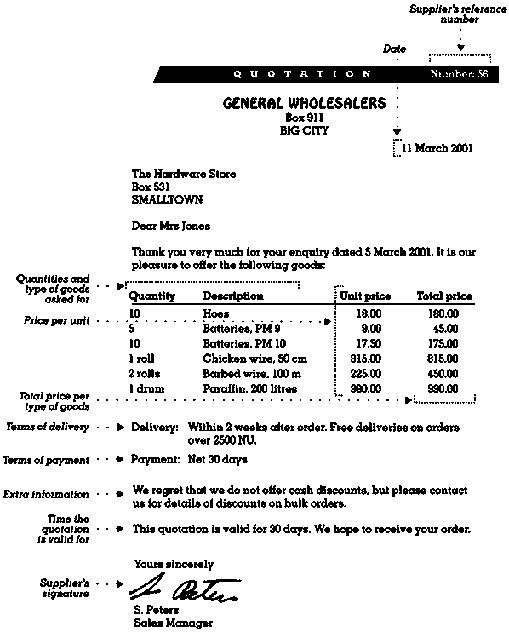
Figure
These are the best two quotations The Hardware Store received after they sent out a number of enquiries. The Hardware Store is located in a small town far away from the suppliers, so free and fast delivery is most important. Good credit is also important.
The Hardware Store compared the quotations from Hardware Supplies and General Wholesalers:
|
Hardware Supplies |
General Wholesalers |
|
- free delivery for orders over 5000 NU |
- free delivery for orders over 2500 NU |
|
- delivery within 3 weeks from order |
- delivery within 2 weeks from order |
|
- 15 days’ credit |
- 30 days’ credit |
|
- lowest prices |
- low prices |
STEP 5. MAKE THE ORDER
When you have decided which supplier to buy from, make your order by visiting, phoning, faxing or writing to the suppliers. It is always best to make your order in writing. A written order helps you to remember what you ordered and is proof that you made the order.
If the supplier does not have order forms, write your own. You can use a standard order book which you can find in many shops, or make a simple order form yourself. Send the original to the supplier, but remember to keep your copy.
If you have received a quotation, mention it in your order. You do not have to order everything on the quotation. Only order what you need. Think carefully about the quantities of the goods or materials you need:
· What is the smallest quantity you can order?
· How much is in each bulk package?
· Can you order less than one bulk package?
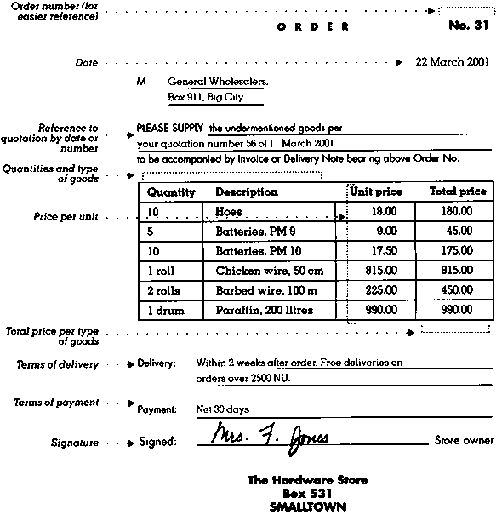
Figure
|
|
Learn more about how much and when to order in the STOCK CONTROL chapter |
STEP 6. CHECK THE GOODS IMMEDIATELY
If you collect the goods or materials yourself, immediately check the type and quantity before you take the goods or materials away. If the goods or materials are delivered, the supplier usually sends a delivery note with the goods or materials. The delivery note lists details of the goods. The supplier wants you to sign the delivery note as proof that you have received the goods. Always check that you have received the right type and quantity before you sign the delivery note.
Here is the delivery note The Hardware Store received:
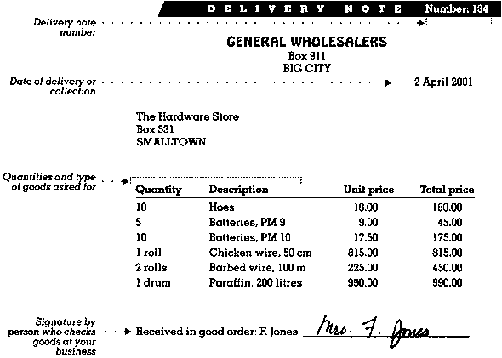
Figure
When you get your goods:
Immediately check the goods against the delivery note.
Before you sign the delivery note, make sure you have received:
· the goods you ordered
· the quantity you ordered
· the goods in good condition.

Figure
Some suppliers do not give you a delivery note. They give you an invoice. Then, check the goods against the invoice.
Then, check the delivery note or invoice against your order. Check that you received everything you ordered and you received your delivery on time.
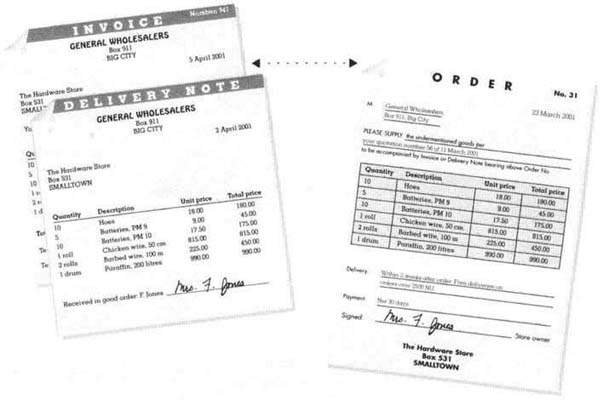
Figure
If something is wrong, complain immediately. Do not sign the delivery note until the problem has been corrected:
· Contact the supplier or, even better, talk to the delivery person before he or she leaves.· Write your complaint in a note to your supplier or write the complaint on the delivery note itself.
· Make sure the delivery person signs to agree that the complaint is correct. This makes it easier for you, and the supplier, to settle the matter.
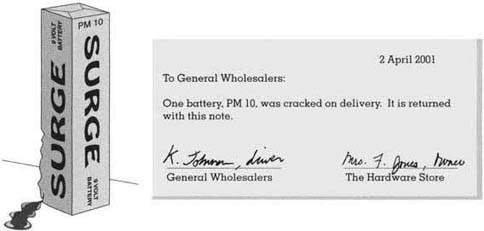
Figure
STEP 7. CHECK THE INVOICE
An invoice lists details of what you have bought and tells you to pay. It says:
· how much you must pay
· when you must pay
· who you must pay
· how you must pay.
Some suppliers do not send a delivery note and an invoice. They send one document for both. The supplier can send an invoice:
· at the same time as you get the goods. This usually means that you have to pay immediately, in cash or by cheque· after you get the goods. This means you do not have to pay straight away - you buy on credit.
Here is an invoice The Hardware Store received from General Wholesalers:
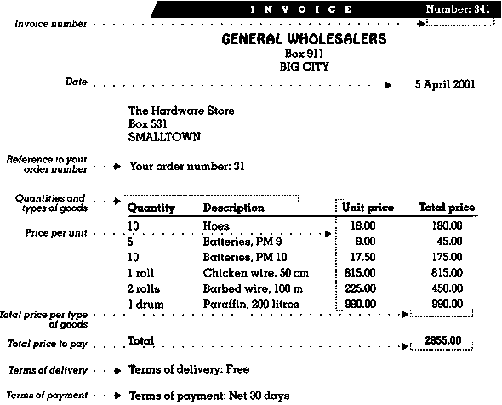
Figure
The invoice tells you when and how the supplier wants to be paid. This is often called terms of payment. For example:
· The invoice may be cash or COD which means Cash On Delivery. That means you must pay when the goods are handed over to you.· If you get credit, the terms may say 30 days net. This means that you must pay not later than 30 days from the date written on the invoice.
Make sure that the invoice is correct. Compare the invoice with the delivery note. The list of goods must be the same on both. Make sure that:
· you have received everything you pay for
· the prices and totals are correct. For example, if the supplier promised you a discount, did you get the discount?

Figure
If you received a quotation, check the invoice against the quotation. Make sure that the supplier is charging the prices and terms they listed in the quotation.
If you think an invoice is not correct, find out what is wrong and contact the supplier immediately. Discuss the problem with the supplier and agree on the best way to solve it.
|
Compare the invoice with the delivery note and the note of complaint. 1. What is wrong with the invoice The Hardware Store
received? 2. What do you think The Hardware Store did after they found
the
mistake? |
|
1. The invoice includes the cracked battery PM 10 that The Hardware Store returned to the supplier with the note of complaint signed by the delivery person. 2. After they found the mistake, The Hardware Store immediately contacted the supplier and explained the problem. They told the supplier about the note they sent with the delivery person and discussed with the supplier how to solve the problem. |
STEP 8. PAY
You pay for what you buy, whether you buy for cash or on credit. The terms of payment tell you when you must pay. There are different ways you can pay. You usually pay either in cash or by cheque.
Make sure you always get a receipt as proof that you have paid.
Keep all business documents, or copies of them, in good order. You can put them in one or more files where you can easily find them.

Figure
|
|
You need your paid invoices and receipts for the record-keeping in your business. Read more about how to keep and use records in the RECORD-KEEPING chapter. |
Review
Summary
Businesses buy raw materials, goods, and equipment to:
· make products to sell
· provide services
· resell.
To buy well, buy:
· the right quality
· the right quantity
· at the right price
· at the right time.
There are certain steps to follow when you buy goods, raw materials, equipment or other things your business needs:
1. Find out what your business needs
2. Get information about different suppliers
3. Contact the suppliers
4. Choose the best suppliers for your business
5. Make the order
6. Check the goods immediately
7. Check the invoice
8. Pay.
What did you learn in this chapter?
Now that you have worked through this chapter, try these practical exercises. The exercises will remind you of what you have learned and help you to improve the buying in your business.
Compare your answers with the Answers. If you find it difficult to work out an answer, read the relevant part of the manual again. The best way to learn is to finish an exercise before you look at the answers. Check the list of Useful Business Words.
|
|
You have learned more about buying in this chapter. But what you have learned does not help you until you use the new knowledge in the day-to-day running of your business. Remember to do the Action Plan to improve the buying in your business. |
|
EQUIPMENT PROBLEMS A carpenter had been looking for a drill for a long time. A few months ago he bought a new, powerful electric drill that a friend brought him from outside the country. About a month later something in the machine broke. Then the carpenter found out that spare parts are not available in the country. No one knows how to repair the drill. The carpenter now has a machine he cannot use. 1. Was it a mistake for the carpenter to buy that drill?
Why? 2. Who should the carpenter have talked to before he bought
the
drill? 3. Give examples of the kinds of questions the carpenter
should have found answers to before he bought the
drill. |
|
1. Yes, it was a mistake to buy that drill. The carpenter should have found out about repairs and spare parts before he bought the drill. ____________________________________________________________________ 2. The carpenter should have talked to businesses selling drills, his employees, business friends and other business people who use drills. ____________________________________________________________________ 3. Before he bought the drill, the carpenter should have found answers to questions like these: · Which different kinds of drills are available? · How expensive are the parts? |
|
|
WRITE AN ORDER The General Store were unhappy with one of their suppliers. They asked for, and compared, quotations from several suppliers and choose Super Suppliers. The General Store want to order goods. Write the order to Super Suppliers on a separate sheet of paper. Remember what you learned about orders in this chapter. Here is the information you need to write the order. The General Store need: · 3 boxes Fine
tea.......................... 1 box = 10 x 125 g................... 10.00 NU per
box You also need this information to write the order: · The order number is 23 and the quotation number is 117. · The owner of The General Store is Tom Anders. |
|
|
Your order for The General Store can look like this. It does not have to look exactly the same, but it should have all the information which is marked:
|
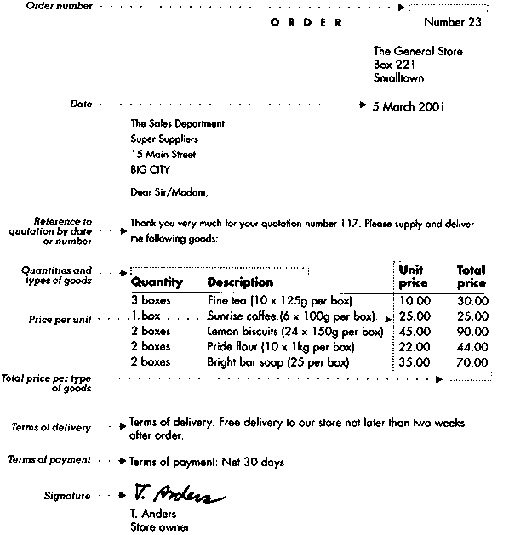
|
| ||||||||||||||||||||||||||||||||||||||||||||||||||||||
Improve Your Business: Basics (ILO, 1999, 188 p.)
STOCK CONTROL
IN THIS CHAPTER YOU WILL LEARN HOW TO
|
NOTE |
Since this book is intended for use in many different countries, we have used the term “NU” in the examples to represent an imaginary “National Unit of currency” |
Control your stock
WHAT IS STOCK?
Stock means all the products your business has for sale. Stock is also all the raw materials or parts your business keeps and uses to make products or provide services. Different types of businesses have different types of stock. Here are some examples:
|
RETAILER Stock is the goods and materials a business buys from other businesses and keeps to resell. |
MANUFACTURER Stock is the raw materials and parts a business uses to make into products for sale. The finished products for sale are also stock. |
SERVICE OPERATOR Stock is the materials or products a business keeps and uses to provide a service. |
|
|
|
|
|
The stock of this general store includes bread, salt, sugar, soft drinks and flour. |
The stock of this tailoring business includes fabric, thread, buttons, zippers and finished garments. |
The stock of this shoe repairer includes soles, glue, nails, thread and leather. |
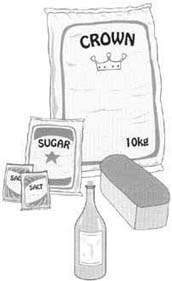
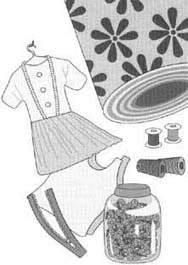

WHAT IS STOCK CONTROL?
Stock control means organizing the way you:
Receive your stock
Count and check the condition of goods or materials you receive against the invoice or delivery note.Record your stock
Write down all goods or materials coming into or going out of your business.Store your stock
Keep the right amount of stock in a safe and practical way.Arrange your stock
Arrange your stock so that it attracts customers to buy and also makes it easy for you to see and count.Check your stock
Check and count your stock often to make sure that it is in good condition and that no stock is missing.Re-order your stock
Re-order the right stock, in the right quantity at the right time.
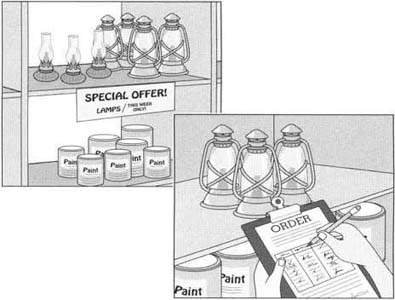
Figure
|
|
The MARKETING chapter tells you how to find out what products or services your customers want. The BUYING chapter shows you how to improve the way you buy goods or materials for your business. |
HOW CAN STOCK CONTROL IMPROVE YOUR BUSINESS?
Good stock control helps you to:
· keep the right goods and materials
· keep the right amount of stock - not too much or too little
· keep your stock in good condition
· prevent stock from being lost or stolen
· re-order stock at the right time.
GUIDELINES FOR BETTER STOCK CONTROL
Keep the right amount of stock
|
TOO LITTLE STOCK Tasty Bread do not control their stock. |
TOO MUCH STOCK OB General Store do not control their
stock. |
|
|
|
|
Tasty Bread have to stop production because they do not have
any flour in stock. |
It is summer and OB General Store have more blankets than they need. The business money is tied up. There is not enough money to order other goods that customers want. |

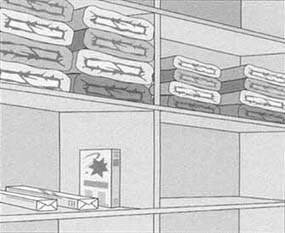
There can be many different reasons for running out of stock or keeping too much stock. For example:
· You do not know which goods sell well, and which sell badly. As a result, you may keep ordering the wrong goods or materials.· You do not check your stock regularly, so you do not know how much stock you have. As a result, you may order too late or too early.
· Your stock is badly arranged, so it is difficult to see and count. As a result, you may order the wrong quantities and you may order at the wrong time.
Always think of what your customers want. Make sure that you do not run out of stock. But keep as little stock as possible. Little stock means less money tied up in stock and more money for your business to:
· spend on goods that customers want, or
· save and earn interest on.
|
|
Does your business often run out of stock? Does it hold too much stock of any goods or materials? Do you know why? |
Stock goods that sell quickly
· Buy or use stock that sells quickly.
· Stock that sells quickly means more sales and more money coming into your business.
· Avoid having stock that sells slowly. Stock that sells slowly ties up your business money.
· Offer stock that does not sell quickly at a discount if customers do not buy it at its regular price.
|
|
Does your business have any stock that does not sell quickly? What do you do with such stock? |
Arrange and display your stock well
· Arrange and display your goods neatly, so it is easy for customers to see and easy for you to check and count.· Keep similar goods or materials in groups near each other.
· Keep small items such as screws and nails in small boxes - one box for each type and size.
· Goods and materials that are attractive to steal should be kept in safe places, for example, near the counter.
· Sell or use the stock you already have, for example perishables, before taking more from a new delivery. When stock is kept too long in your store it may become too old to sell or use. Your customers will complain and your business will lose money. You can put new stock at the back of the shelf so that the old stock at the front of the shelf sells first.
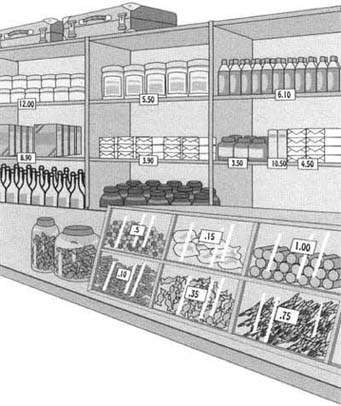
Figure
|
|
How do you arrange your stock? Is it well arranged? |
|
|
The MARKETING chapter shows you how to display your goods to increase your sales. |
Check your stock regularly
· Always check that you have the amount of goods or raw materials you need.· Check to find out if any stock is missing.
· Check for damaged stock or stock that is not in good condition. Try to sell such stock at a discount or use it up before it gets too old.
· Check your stock to find out when to order more and what quantities to order.
|
|
Do you check your stock often? Do you often have stock in bad condition? What do you do with such stock? |
Keep stock records
· If your business has many goods or materials, use stock records.· If your business sells fewer goods or materials, you may want to keep stock records only for expensive goods or materials.
· Use your stock records to see which goods sell well and which sell badly. This helps you to know what goods or materials to buy.
· Use your stock records to find out what stock to re-order, when to order and what quantities you need.
|
|
Does your business keep written stock records? |
Stock records
Keeping stock records means writing down:
· all stock that comes into your business, and
· all stock that goes out of your business.
ARE STOCK RECORDS USEFUL FOR EVERY BUSINESS?
|
MANY BUSINESSES FIND STOCK RECORDS USEFUL | |
|
The General Store sell many different goods. Stock records help them to find out which goods sell well, when to order and if goods go missing. |
Reliable Tailors use different fabrics for making garments. Their stock records tell them how much of each fabric they use. |
|
|
|

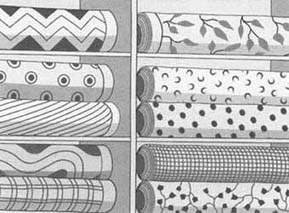
|
SOME BUSINESSES FIND STOCK RECORDS LESS USEFUL |
|
|
It is easy to check the few products The Corner Shop sell. When they look at their shelves they can see what they need to order. |
Beauty Hair Salon only use shampoo, perm lotion and a few other chemicals. It is easy to check and re-order without stock records. |
|
|
|
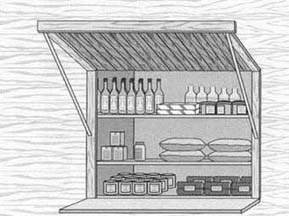

Stock records are most useful for businesses which:
· sell or use many different products or materials
· sell or use a lot of each product or material
· have products or materials that are expensive and attractive to steal.
You may find that it is not practical to keep stock records for all the goods or materials in your business. But it may be very useful to keep stock records for some of your goods or materials, for example, the ones that are expensive or attractive to steal.
Stock records are useful because they tell you:
· what goods or materials you have sold or used
· how much of the goods or materials you have sold or used
· when the goods or materials were sold or used
· how much of the goods or materials you have in stock.
Retailers and wholesalers keep stock records for the goods they buy to resell. Manufacturers keep stock records for raw materials. They also keep stock records for finished products.
You can use the information on the stock records to find out:
· what stock sells fast
· what stock to re-order
· when to re-order
· how much to re-order
· if any stock is missing.
USING STOCK RECORDS
When you make your own stock records:
· You can use cards, a hardcover book, an exercise book, loose pages in a file, or anything else that suits your business.· You can use a separate card, or page, for each product or material.
· You can use a pencil for writing the cost per item, selling price and re-order level on your stock records. Then you can easily change the amounts when the costs, the prices or your re-order levels change.

Figure
Make sure that you keep your stock records correct and up to date. A record which is not up to date gives you incorrect information and you may make wrong decisions in your business.
How to keep stock records
To keep records of all stock, The General Store write down the information on stock cards. They use one card for each product they sell. Here is their stock card for Best Foods cooking oil in 750 ml bottles:

Figure
Stock comes into and goes out of a business in different ways. For example:
|
Stock comes into your business when: · you receive an order of goods or materials · you accept goods back from a customer and the goods can be sold again · you finish making a product, ready for sale. Write this under Stock In. |
Stock goes out of your business when: · you sell goods or materials, for cash or on credit · you use up materials to make products or provide services · you throw away goods or materials that are broken or spoilt in any other way · goods or materials are stolen. Write this under Stock Out. |
Re-order levels
The re-order level is the number of units you estimate you need until new stock is delivered. When your stock falls to the re-order level, it is time to order more.
To work out the re-order level, you need to know or estimate:
· how long it takes between ordering and receiving or collecting the new stock
· how much you expect to sell or use while you wait for the new stock
· how much extra stock you may need, for example if:
- you sell more goods or use more materials than you estimated
- the delivery is late
- the supplier is out of stock.
The General Store works out the re-order level for 750 ml bottles of cooking oil:
· The supplier normally delivers a week after they receive the order.· The General Store normally sell 10 bottles per week.
· In case people buy more or the delivery is late, The General Store estimates that they need 5 extra bottles.
· The re-order level is: 10 + 5 = 15 bottles. ((1) - See figure below)

Figure
Make sure that you know and write down the re-order levels for the goods or materials that you sell or use a lot of. If your business keeps stock records, write the re-order levels on the stock records.
HOW STOCK RECORDS CAN IMPROVE YOUR BUSINESS
Stock records help you decide what goods to sell
|
Three months ago, The General Store ordered 30 cans of meat. Their stock card shows that they have only sold 10 cans. The cans have tied up a lot of money. The General Store tries to sell them on special offer. Before The General Store buys goods next time, they will look more closely at their stock cards to find out which goods sell well. Then they will know what goods to order. |
|
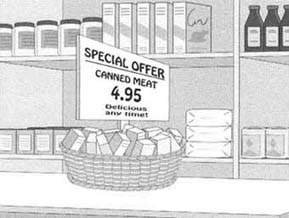
Stock records show you how much to re-order
|
In the past. The General Store ordered 18 jars of coffee at a time. The stock card shows that they have sold only 2 or 3 jars per week. Coffee is expensive, so a lot of business money is tied up. In future, The General Store will only order 6 jars at a time. |
In the past, The General Store ordered 12 cans of fish at a time. The stock card shows that they sold almost all the cans in 4 days. In future, The General Store will order 36 cans at a time. |
|
|
|

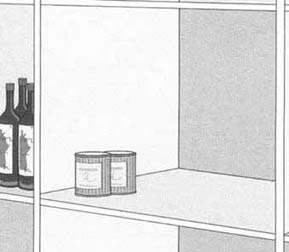
Stock records show you when to re-order
Last week, the supplier had no sugar. But The General Store did not run out of stock. When they work out their re-order levels, they include extra stock to cover for unexpected things such as late deliveries or higher sales than usual. The General Store write the re-order levels on the stock cards. Then they can easily and quickly check to see if it is time to re-order.
Stock records help you to find out if you are losing stock
The General Store write down all the stock in and stock out on their stock cards. The balance shows them how much stock there should be in stock. When they physically count their stock they find out how much stock there really is.
If there is a difference between the stock records and how many they count:
· there may be an error in filling in the stock records, or
· their business has a stock control problem. It is losing stock.
Stock-taking
WHAT IS STOCK-TAKING?
It is important to know exactly:
· what kind of stock you have
· how much stock you have
· what condition your stock is in
· how much your stock is worth.
To find out this information you must actually count, measure or weigh all your stock. Stock-taking is a system of physically counting and writing down all the stock in your business on a stock-taking list.
IS STOCK-TAKING IMPORTANT?
Stock-taking gives you a lot of useful information. For example, when you count your stock you will find out:
· if any stock is damaged or in bad condition
· which goods sell quickly and which sell slowly
· which materials and parts you use a lot of and which you use less of
· when to re-order, if you do not keep stock cards.
Figure
Stock-taking helps you to find out if stock is missing
When you compare the quantities on your stock cards with the quantities on your stock-taking list, you can find out:
· if any stock is missing, and
· how much stock is missing.
Stock-taking helps you to find out if there is a problem of missing stock. The reason for the problem can be error in filling in the stock cards, theft, or something else. The stock-taking list cannot explain why the quantity you really have is lower or higher than the balances on the stock cards. You must work that out yourself.
STEPS TO FOLLOW FOR STOCK-TAKING
|
STEP 1. |
Prepare your stock-taking list |
| | |
|
STEP 2. |
Count the stock and write down |
| | |
|
STEP 3. |
Copy information from your stock cards |
|
| |
|
STEP 4. |
Compare your stock cards with the |
| | |
|
STEP 5. |
Write the correct quantities on your |
| | |
|
STEP 6. |
Write the cost per item for each product on |
|
| |
|
STEP 7. |
Calculate the total value in stock of each |
Step 1. Prepare your stock-taking list
Make your stock-taking list before you do stock-taking. You can use loose sheets of paper, an exercise book or anything else that suits your business. At the bottom of this page, you can see part of a stock-taking list.
Figure
Step 2. Count the stock and write down the quantities on the stock-taking list
When two people do the stock-taking together, one person calls out the name of the product or material and the amount counted. The other person repeats the name and the amount and writes the information on the stock-taking list. This is a good way to avoid mistakes.
For each product, write down the details and the quantity you count on the stock-taking list. Make sure that you do not forget to count any stock, for example, in the storeroom or other places.
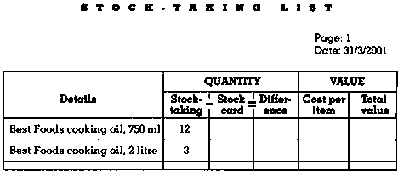
Figure
Step 3. Copy information from your stock cards to your stock-taking list
The balance on the stock card for cooking oil, 750 ml, shows that there should be 15 bottles. Copy the quantity from the stock card, 15 bottles, onto the stock-taking list.

Figure
Make sure that your stock cards are up to date before you copy the quantities onto your stock-taking list. Remember that a stock card which is not up to date gives you incorrect information and you may make wrong decisions in your business.
Step 4. Compare your stock cards with the stock-taking list
Compare the stock-taking list (how much stock you really have) with the balance on the stock cards (how much stock you should have) to get the difference (how much stock is missing). The General Store compare their amounts of Best Foods cooking oil, 750 ml:
|
12 |
- |
15 |
= |
-3 |
|
amount on | |
balance shown | |
difference |

Figure
Stock-taking helps you to find out if there is a problem of missing stock. But the stock-taking list does not explain why the real quantity is higher or lower than the balance on your stock card. You must find out the reasons yourself.
Maybe there are problems with your stock cards. For example:
· Did you forget to write down some new stock you bought?
· Did you forget to write down some items that you sold or used?
· Did you remember to write down damaged or broken stock that you could not sell or use?
· Have you made mistakes in your calculations?
Maybe there are problems with your stock-taking. For example:
· Did you forget to count some stock?
· Did you count correctly?
· Have you made mistakes in your calculations?
Maybe there are problems with theft, for example by your customers, your employees or other people who deal with your business.
Missing stock usually means that there are other, more serious problems in the way you look after and organize your stock. Use the information from your stock-taking to improve the stock control in your business.
Step 5. Write the correct quantities on your stock cards
The stock-taking list shows the correct quantities of stock. It tells how much stock you really have:

Figure
But the stock cards must also be correct:
|
|
|
|
When the stock-taking list shows a smaller quantity than the stock card, write the difference as Stock Out on the stock card. For example, to get the correct balance for Best Foods cooking oil, 750 ml. The General Store write the missing amount, 3 bottles, under Stock Out |
When the stock-taking list shows a larger quantity than the stock card, write the difference as Stock In on the stock card. For example, to get the correct balance for Star sugar, 2 kg, The General Store write the difference, 1 bag, under Stock In on the stock card. |
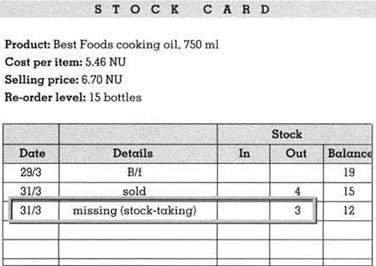

Step 6. Write the cost per item for each product on the stock-taking list
The cost per item for a product is the price you paid your supplier for one item of the product. Write the cost per item for each product on the stock-taking list. Make sure that you write the latest price your supplier charged you for a product.
Step 7. Calculate the total value in stock of each product and write it on the stock-taking list
Multiply the quantity from the stock-taking with the cost per item to get the total value. The General Store calculate the total value of their stock of Best Foods cooking oil, 750 ml, like this:
|
12 |
X |
5.46 |
= |
65.52 |
|
quantity | |
cost per item |
|
total value |
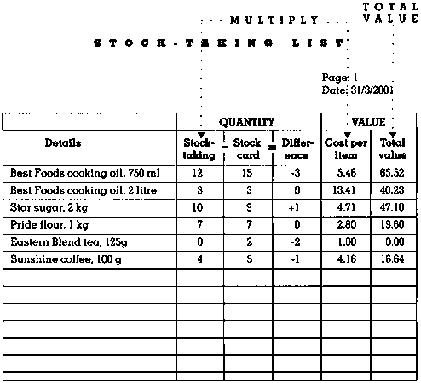
Figure
When you add up the total value for each product you get the total value for your whole stock.
USE YOUR STOCK-TAKING TO IMPROVE YOUR BUSINESS
The information you get from your stock-taking can help you to improve your business. Look at problems you find when you do stock-taking and think carefully about how you can solve each problem. Here are some questions to help you think about and improve each part of the stock control in your business.
· Receiving your stock: Do you immediately count and check the condition of new stock against the invoice or delivery note?· Recording your stock: Do you write down every item that comes into or goes out of your business? Do you keep and use stock records?
· Storing your stock: Do you keep all your stock in a safe and practical way? Do you prevent your stock from being damaged or spoilt by keeping the right amount in the right place?
· Arranging your stock: Do you arrange your stock in a way that attracts customers to buy and also makes it easy for you to see and count?
· Checking your stock: How often do you check and count your stock to make sure that it is in good condition and that no stock is missing?
· Re-ordering your stock: Do you have a system for re-ordering the right stock in the right quantity at the right time?
HOW OFTEN SHOULD YOU DO STOCK-TAKING?
How often your business should do stock-taking depends on many things, for example:
· if you keep stock cards or not
· what quantities of stock you keep
· how many different goods or materials you keep and how much they cost
· how quickly you sell or use your stock
· how good your security is.
Decide what is best for your business.
|
You may decide to do stock-taking often if you: · do not keep stock records · have large quantities of stock · have many different goods or materials · are not sure if stock is secure · have many people, or new people, working in your business · have problems with missing stock. |
You may decide to do stock-taking only occasionally if you: · keep good stock records · have small quantities of stock · have few different goods or materials · have good security · do not have problems of stock going missing, for example, through theft. |
Review
Summary
Stock means all the products your business has for sale. Stock is also all the raw materials or parts your business keeps to make products or provide services.
Stock control means organizing the way you:
· receive your stock
· record your stock
· store your stock
· arrange your stock
· check your stock
· re-order your stock.
Some useful guidelines for better stock control are:
· keep the right amount of stock
· stock goods that sell quickly
· arrange and display your stock well
· check your stock regularly
· keep stock records.
To keep stock records means writing down:
· all stock that comes into your business, and
· all stock that goes out of your business.
You can use the information on the stock records to find out:
· what stock sells fast
· what stock to re-order
· when to re-order.
· how much to re-order
· if any stock is missing
Work out the re-order level for your goods. The re-order level is the number of units you estimate that you need until you get new stock. When your stock falls to the re-order level, it is time to order more.
Stock-taking is a system of physically counting and writing down all the stock in your business on a stock-taking list.
Stock-taking helps you to find out:
· if stock is missing and how much is missing
· if any stock is damaged or in bad condition
· which goods sell quickly and which sell slowly
· which materials and parts you use a lot of and which you use less of
· when to re-order, if you do not keep stock cards.
Follow these steps to do stock-taking:
1. Prepare your stock-taking list
2. Count the stock and write down the quantities on the stock-taking list
3. Copy information from your stock cards to your stock-taking list
4. Compare your stock cards with the stock-taking list
5. Write the correct quantities on your stock cards
6. Write the cost per item for each product on the stock-taking list
7. Calculate the total value in stock of each product and write it on the stock-taking list.
What did you learn in this chapter?
Now that you have worked through this chapter, try these practical exercises. The exercises will remind you of what you have learned and help you to improve the stock control in your business.
Compare your answers with the Answers. If you find it difficult to work out an answer, read the relevant part of the manual again. The best way to learn is to finish an exercise before you look at the answers. Check the list of Useful Business Words.
|
|
You have learned more about stock control in this chapter. But what you have learned does not help you until you use the new knowledge in the day-to-day running of your business. Remember to do the Action Plan to improve the stock control in your business. |
|
STOCK CONTROL PROBLEMS AT TASTY BREAD The bakery Tasty Bread is popular and sales are good. But the business has stock control problems. Tasty Bread think they are keeping more stock than they need. It ties up the business money and some raw materials go bad. They also suspect that stock goes missing, but they do not know how. To solve the stock problem, Tasty Bread start keeping stock records. They also begin to do stock-taking. They decide to do stock-taking on 30 September 2001, after the business has closed for the day. Tasty Bread follows the steps necessary for stock-taking. 1. Follow the steps for stock-taking and help Tasty Bread to fill in their stock cards and stock-taking list, by using the following information. Tasty Bread normally makes 180 loaves per day. On 30 September, they: · used 65 kg white flour, 1 kg yeast, 1.5 kg sugar and 1 kg fat During the stock-taking, Tasty Bread counted: · 360 kg white flour, 7 kg yeast, 15.5 kg sugar and 17 kg fat. Tasty Bread also need salt but they do not yet keep a stock card for salt. |
TASTY BREAD STOCK CARDS
|
STOCK CARD | ||||
|
Product: Pride white flour | ||||
| | |
Stock | ||
|
Date |
Details |
In |
Out |
Balance |
|
28/9 |
B/f | | |
325 |
|
28/9 |
used | |
65 |
260 |
|
29/9 |
used | |
65 |
195 |
| | | | | |
| | |
| | |
| |
| | |
|
|
| | |
| |
| | |
| | |
| |
| | |
|
|
| | |
| |
| | |
| | |
|
STOCK CARD | ||||
|
Product: Sun yeast | ||||
| | |
Stock | ||
|
Date |
Details |
In |
Out |
Balance |
|
28/9 |
B/f | | |
8 |
|
28/9 |
used | |
1 |
7 |
|
29/9 |
used | |
1 |
6 |
| | | | | |
| | |
| | |
| |
| | |
|
|
| | |
| |
| | |
| | |
| |
| | |
|
|
| | |
| |
| | |
| | |
|
STOCK CARD | ||||
|
Product: Star sugar | ||||
| | |
Stock | ||
|
Date |
Details |
In |
Out |
Balance |
|
23/9 |
B/f | | |
9.5 |
|
23/9 |
used | |
1.5 |
8.0 |
|
23/9 |
bought |
10 | |
18.0 |
|
26/9 |
used | |
1.5 |
16.5 |
|
27/9 |
used | |
1.5 |
15.0 |
|
28/9 |
used | |
1.5 |
13.5 |
|
29/9 |
used | |
1.5 |
12.0 |
| | | | | |
| | |
| | |
| |
| | |
|
|
| | |
| |
|
STOCK CARD | ||||
|
Product: Standard fat | ||||
| | |
Stock | ||
|
Date |
Details |
In |
Out |
Balance |
|
25/9 |
B/f | | |
18 |
|
25/9 |
used | |
1 |
17 |
|
26/9 |
used | |
1 |
16 |
|
27/9 |
used | |
1 |
15 |
|
28/9 |
used | |
1 |
14 |
|
29/9 |
used | |
1 |
13 |
| | | | | |
| | |
| | |
| |
| | |
|
|
| | |
| |
| | |
| | |
TASTY BREAD STOCK-TAKING
LIST
|
2. Look closely at the stock-taking list and the stock cards that you have completed and answer these questions: a. How much fat do Tasty Bread have at the end of the day on 30 September? · Which raw materials have stock missing? ____________________________________________________________________ d. For which raw material does the amount counted during stock-taking show a higher quantity than Tasty Bread have on their stock card? ____________________________________________________________________ ____________________________________________________________________ |
|
1. Here are Tasty Bread’s completed stock-taking list and stock cards.
2. a. At the end of the day on 30 September, the balance column on the stock card shows that Tasty Bread have 17 kg fat. d. The amount of yeast counted during stock-taking is a higher quantity than Tasty Bread have on their stock card. There are really 7 kg of yeast in stock. Tasty Bread correct their stock card so that it shows the correct amount, 7 kg. |
|
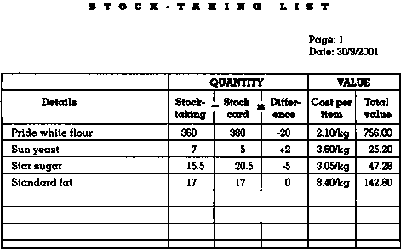

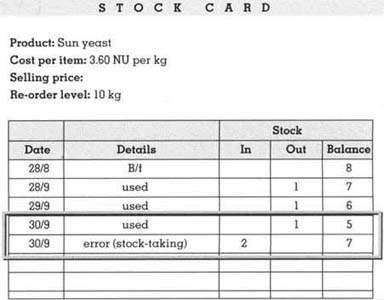
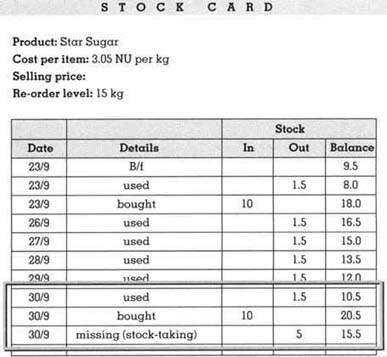

|
| ||||||||||||||||||||||||||||||||||||||||||||||||||||||
Improve Your Business: Basics (ILO, 1999, 188 p.)
COSTING
IN THIS CHAPTER YOU WILL LEARN
|
NOTE |
Since this book is intended for use in many different countries, we have used the term “NU” in the examples to represent an imaginary “National Unit of currency” |
Know your costs
WHAT ARE COSTS?
Every business has costs. Costs are all the money your business spends to make and sell your products or services. Here are some examples of costs:
· Salaries and wages to the employees are costs to the business.
· Electricity for the lights, machines and other equipment is a cost to the business.
· Raw materials bought to make into products are a cost to the business.
If you are a service operator, a retailer or a wholesaler, you may not have exactly the same costs as a manufacturer. But most businesses have costs for materials, labour, electricity, rent, transport, and so on.
WHAT IS COSTING?
Costing is the way you calculate the total costs of making and selling a product or providing a service. Many businesses do not know all their costs and therefore cannot do their costing properly.
|
THINK ABOUT THESE TWO BUSINESSES: · A pottery: Clayworks Pottery make tea cups. They do not know their costs but they do not worry too much about costs, they only want to be cheaper than their competitors so they sell more. Most other potteries charge 4.50 Nil for a tea cup so Clayworks decide to set their price at 3.90 NU. · A metalworks business: A customer asks for a quotation for 5 door frames. The material for one door frame costs 65.00 NU. The Metalworks Company decide to charge 70.00 NU for each frame. It is a low price but it is more than the cost of the materials so they think that they will still make a profit. 1. Is there a problem with the way Clayworks Pottery do the
costing of their tea cups? Please explain why or why
not? 2. Is there a problem with the way The Metalworks Company do
the costing of their door frames? Please explain why or why
not? |
|
1. Yes, there is a problem with the way Clayworks Pottery do the costing of tea cups. They set a price which is lower than the other potteries’ prices. They do not know if their total costs for a tea cup are higher than their price of 3.90 NU. Clayworks Pottery do not know if the tea cups give their business a profit or a loss. 2. Yes, there is a problem with the way The Metalworks Company do the costing of their door frames. They know the direct material costs for a door frame. But they think that the 5.00 NU they add to the cost of materials is profit. They forget about other costs that their business has, for example: · labour costs for their employees making the door frames The Metalworks Company do not know if the price of 70.00 NU gives the business a profit or a loss. |
HOW CAN COSTING IMPROVE YOUR BUSINESS?
Costing helps you to set prices
When you know your total costs, you can set prices which will give your business a profit.
Costing helps you to reduce and control your costs
When you know all your costs, you can work out better and cheaper ways to make and sell your products or services.
Costing helps you to make better decisions about your business
When you know the total costs for each type of product or service, you can make better decisions about which products or services to sell so that your business makes the highest profit.
Costing helps you to plan for the future
When you know all your costs, you can make plans for your business. For example, you need to know all your costs before you can make a Sales and Costs Plan or a Cash Flow Plan.
DIFFERENT TYPES OF COSTS
Before you can do costing, it is necessary to understand the different types of costs a business has. All businesses have two types of costs:
· direct costs, and
· indirect costs.
|
Direct |
+ |
Indirect |
= |
TOTAL COSTS |
You must understand the different types of costs to be able to calculate the total costs and do the costing for each product or service your business makes or sells.
Direct costs
For a manufacturer or service operator, direct costs are all costs that can be directly related to:
· the products or services you make or sell, or
· the production of those products or services.
For a retailer or wholesaler, direct costs are the costs for buying goods to resell.
To be counted as direct costs, the costs must also be:
· easy to calculate
· big enough to add a considerable amount to the total direct costs.
For example, Reliable Tailors make protective coats. Fabric and buttons are direct costs for making a protective coat because:
· they become part of the coat
· the amounts of fabric and buttons for each coat are easy to calculate
· the costs of fabric and buttons are big enough to add a considerable amount to the total direct costs of a coat.
Reliable Tailors have employees working full time sewing protective coats. Those employees’ wages are direct costs because:
· their work is directly related to the production of coats
· the time they spend making coats is easy to calculate
· their wages are big enough to add a considerable amount to the total direct costs of a coat.
Reliable Tailors have to pay for two things that are directly related to the production of protective coats:
· materials
· labour.
So you can see there are two different types of direct costs:
· direct material costs
· direct labour costs.

Figure
Direct material costs
Direct material costs are what your business spends on materials that become part of, or are directly related to, the products or services you make or sell.
To be counted as a direct material cost:
· the amount of material must be easy to calculate
· the cost of the material must be big enough to add a considerable amount to the total direct material costs.
Here are examples of direct material costs for different businesses:
· At The Metalworks Company, the sheets of metal, hinges and bolts become part of the door frames. The amount of each material for one door frame is easy to calculate. The cost of each material is big enough to add a considerable amount to the total direct material costs of the business. So the costs of sheet metal, hinges and bolts are direct material costs for the business.· Reader’s Bookshop does not make products. They buy stationery, books and other goods to resell. For a retailer or wholesaler, the costs of buying goods to resell are direct material costs.
Direct labour costs
Direct labour costs are all the money your business spends on wages, salaries and benefits for the employees who work in the production of your products or services. Retailers and wholesalers, who do not make products or provide services, do not have direct labour costs.
To be counted as a direct labour cost:
· the time spent on making the product must be easy to calculate
· the cost of the direct labour must be big enough to add a considerable amount to the total direct labour costs.
Here are examples of direct labour costs for different businesses:
· At The Metalworks Company, the employees’ work is production of metal products. The time spent making each product is easy to calculate. The wages paid for the work are big enough to add a considerable amount to the total direct labour costs. So the wages the business pays to the employees are direct labour costs for the business.· Reader’s Bookshop does not have any employees working directly in making products. So they do not have any direct labour costs.
Indirect costs
Businesses do not only have direct costs. All businesses also have costs for running the business, for example rent, electricity, transport, licences, repairs and maintenance. These types of costs are called indirect costs.
Indirect costs are all other costs, except direct costs, that you have for running your business. Indirect costs are normally not directly related to one particular product or service. They are costs for the whole business.
Here are some examples of indirect costs:
|
|
|
|
Costs for buildings and equipment, for example rent, electricity and water, maintenance, repairs, service and insurance are indirect costs. |
Costs for transport for buying materials or goods, visiting suppliers or customers, and for delivering goods to customers are indirect costs. |


Costs for wages of employees or owners who do not work directly in the production of goods or services are indirect costs. For example, wages of sales staff, messengers, cleaners and security guards are indirect costs. For retailers and wholesalers, all salaries and wages are indirect costs. These costs are called indirect labour costs.
Some costs that would normally be calculated as direct costs can become indirect costs. Here is an example:
To make coats, Reliable Tailors use thread. But they have decided that thread is an indirect cost and not a direct cost because:
· the amount of thread they use to make one protective coat is very small and difficult to calculate· the cost of the small amount of thread they use to make one coat is not big enough to add a considerable amount to the total direct material costs.
You can see that there are different types of costs that make up the total costs of a product or service.
|
Direct |
+ |
Direct |
+ |
Indirect |
= |
TOTAL COSTS |
Costing for a manufacturer or service operator
|
If you are a retailer or wholesaler, go to Costing for a retailer or wholesaler. |
To explain how a manufacturer or service operator does costing we use Reliable Tailors as an example. Reliable Tailors make different types of garments such as protective coats and overalls. To help them calculate all the costs for one product they use a Product Costing Form. The Product Costing Form follows 4 steps:
|
Step 1 | |
Step 2 | |
Step 3 | |
Step 4 |
|
Direct |
+ |
Direct |
+ |
Indirect |
= |
TOTAL COSTS |
The next page shows a Product Costing Form. Reliable Tailors also use a Labour Costs Form to help them with their calculations.
They use the Labour Costs Form in Step 2.
|
COSTING FOR | |
|
| |
|
STEP 1. |
Calculate direct |
| | |
|
STEP 2. |
Calculate direct |
| | |
|
STEP 3. |
Calculate |
| | |
|
STEP 4. |
Add up |
|
|
Reliable Tailors is a manufacturer. If you are a service operator, use the Product Costing Form and the same 4 steps for the costing of each of your services. You can do an exercise for a service operator. |

Figure
STEP 1. CALCULATE DIRECT MATERIAL COSTS
|
COSTING FOR | |
|
| |
|
STEP 1. |
Calculate direct |
| | |
|
STEP 2. |
Calculate direct |
| | |
|
STEP 3. |
Calculate |
| | |
|
STEP 4. |
Add up |
Calculate the costs of all materials:
· that become part of, or are directly related to, the product or service
· that are easy to calculate and have a big enough cost to be counted.
You can see how Reliable Tailors use the Product Costing Form to calculate the direct material costs for one protective coat to be 30.40 NU.
Here are some notes to help you complete Step 1 of the Product Costing Form to work out the direct material costs per item:
Column 1. Raw material
In column 1 on the Product Costing Form, write down the different raw materials that become part of the product or service. Only include materials that are easy to calculate and have a big enough cost to be counted.
Reliable Tailors write down fabric and buttons. They also use thread but:
· it is difficult to calculate how much thread they need for one coat
· the thread needed for one coat costs very little.
So Reliable Tailors have decided that thread is not a direct material cost for making protective coats. At Reliable Tailors, thread for making coats is counted as an indirect cost. You can see how Reliable Tailors include thread in their indirect costs.
Column 2. Buying costs
In column 2 on the Product Costing Form, write down the cost of buying one unit of each raw material.
Column 3. Quantity per item
In column 3 on the Product Costing Form, write down how much you need of each raw material to make one item. Remember to include wastage.
Most businesses have some wastage. For example:
· Reliable Tailors have small pieces of fabric left over.
· A carpenter has off-cuts of wood wasted.
· A tinsmith gets bits of metal that are too small to use.
Wastage is a cost to your business because you have paid for the raw materials that are wasted. Work out how much waste you normally have for one item. Add this amount to the quantity of material you need to make the item.
Column 4. Costs per item
In column 4 on the Product Costing Form, write down the cost of each material needed to make one item. To calculate this cost, multiply the buying costs (column 2) by the quantity needed for one item (column 3).
Total
When you have worked out the cost of each raw material needed to make one item, add up the amounts in column 4. This total gives you the total direct material costs for the item.
STEP 2. CALCULATE DIRECT LABOUR COSTS
|
COSTING FOR | |
|
| |
|
STEP 1. |
Calculate direct |
| | |
|
STEP 2. |
Calculate direct |
| | |
|
STEP 3. |
Calculate |
| | |
|
STEP 4. |
Add up |
Work out the costs of wages, salaries and benefits for the employees who work directly in the production of the product or service.
Every business needs information on all their labour costs. To help you calculate labour costs for your business, you can use a Labour Costs Form.
On the Labour Costs Form, you write information about each person working in your business, for example, working hours per month, wage per month and time in production per month.
You need this information to:
· calculate the direct labour costs per hour (on the Labour Costs Form)
· calculate the direct labour costs per item (on the Product Costing Form).
|
|
You only need one Labour Costs Form for the whole business. You use the information in that form to calculate the cost of all your products or services. |
Reliable Tailors have nine employees. Most of them work in production, but some of them are not directly involved in the production. That is important to know when you calculate the direct labour costs.
First, Reliable Tailors fill in the Labour Costs Form. Then they use the information to work out the direct labour costs for one protective coat on the Product Costing Form.
Here is the Labour Costs Form for Reliable Tailors:
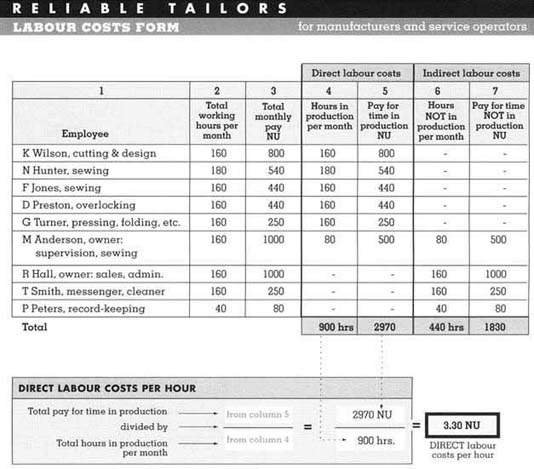
Figure
Column 1. Employee
In column 1 on the Labour Costs Form, write down the name of each person working in the business. You can also write down the type of work they do.
If you are the owner, you must remember to include yourself. For example, at Reliable Tailors, Mr Anderson and Mrs Hall are the owners:
· Mr Anderson does supervision and sewing.
· Mrs Hall does sales and administration.
Column 2. Total working hours per month
In column 2 on the Labour Costs Form, write down the number of hours each person works in the business per month.
At Reliable Tailors, most employees work 160 hours per month.
But two employees do not work 160 hours per month:
· Miss Peters assists with record-keeping. She only works 40 hours per month.
· Mr Hunter is very skilled at sewing. He works extra hours when there is a lot of work. With overtime, Mr Hunter usually works 180 hours per month.
Column 3. Total monthly pay
In column 3 on the Labour Costs Form, write down how much each person gets paid per month.
Owner’s salary is also part of the labour costs for a business. It is important that the owner writes down how much the business pays him or her per month. For example, Mr Anderson and Mrs Hall pay themselves 1000 NU each per month.
The Labour Costs Form is divided into two parts:
· Direct labour costs (columns 4 and 5)
· Indirect labour costs (columns 6 and 7)
Direct labour costs
Columns 4 and 5 on the Labour Costs Form give you information about the costs for employees who work directly in the production of your products or services. Their wages, salaries and benefits are direct labour costs.
Column 4. Hours in production per month
In column 4 on the Labour Costs Form, write down how many hours each person works in production per month.
At Reliable Tailors, Mr Wilson, Mr Hunter, Mrs Jones, Mrs Preston and Miss Turner spend all their time working in production. So, for each of them, the number of hours in column 4 is the same as the total working hours per month in column 2.
Mrs Hall, Mr Smith and Miss Peters do not work in production. They do other kinds of work. Their salaries and wages are indirect labour costs (see column 6).
Some people work in production and also do other jobs that are not directly related to the production of a particular product or service. For example, look at the information on the Labour Costs Form for Mr Anderson:
· Half of his time, 80 hours per month, Mr Anderson does sewing. He works directly in production. His salary for this work is a direct labour cost.· The other half of his time, 80 hours per month, Mr Anderson supervises the production of all the garments that Reliable Tailors make. His salary for this work is an indirect labour cost (see column 6).
Column 5. Pay for time in production
In column 5 on the Labour Costs Form, write down how much of each person’s monthly pay is for time spent working in production. If a person works full-time in production, the whole wage is a direct labour cost. If a person works part-time in production, divide the wage into direct labour costs and indirect costs.
For example at Reliable Tailors:
· Mr Anderson’s total salary is 1000 NU.
· He spends half his time in production and half his time supervising.
· Half his salary, 500 NU, is for time spent in production and is a direct labour cost. So 500 NU is written down as pay for time in production in column 5 on the Labour Costs Form.
Indirect labour costs
Columns 6 and 7 on the Labour Costs Form give you information about the costs for employees who do not work directly in production. Their wages, salaries and benefits are indirect labour costs.
Column 6. Hours not in production per month
In column 6 on the Labour Costs Form, write down how many hours each employee in the business does work that is not directly in the production of a particular product or service.
At Reliable Tailors:
· Mr Anderson works 80 hours supervising.
· Mrs Hall works full-time in sales and administration.
· Mr Smith works full-time as messenger and cleaner.
· Miss Peters works 40 hours assisting with record-keeping.
Column 7. Pay for time not in production
In column 7 on the Labour Costs Form, write down how much of each person’s monthly pay is for time spent doing work that is not directly related to the production of a particular product or service.
For example, at Reliable Tailors:
· Half of Mr Anderson’s salary, 500 NU, is for supervision which is not directly related to the production of only one particular product.· The full wage for Mr Smith, the messenger, is for work that is not in production.
Direct labour costs per hour
Use the bottom part of the Labour Costs Form to calculate the direct labour costs per hour for your business.
To calculate the direct labour costs per hour:
· divide the total pay for time in production per month (the total of column 5) by the total number of hours worked in production per month (the total of column 4).
At Reliable Tailors, the direct labour costs per hour are 3.30 NU. Look to see how Reliable Tailors do their calculation.
|
|
The direct labour costs per hour tell you how much your employees who work directly in production cost your business each hour. You need this information to calculate the direct labour costs for each product your business makes, or each service your business provides. |
Calculate direct labour costs per item
To do costing you must know the time it takes to make each item and the direct labour costs per hour. Then you can use the Product Costing Form to work out the direct labour costs per item.
Reliable Tailors have calculated that their direct labour costs per hour are 3.30 NU. Now they need to work out how long it takes to make one protective coat. Then they can calculate the direct labour costs for one protective coat.
In Step 2 of the Product Costing Form write down:
· the different activities or types of work your employees do to make the item
· how long each activity takes.
You can see how Reliable Tailors have estimated how long it takes to make one protective coat.
Reliable Tailors estimate that it takes one and a half work-hours to make one protective coat. A work-hour is not always the same as an hour on the clock. It is important to know the difference when you do costing.
The number of work-hours is the total amount of time you need to make one item or provide one service. The time each person works on the item or service is added up to give the total time.
It takes 1.5 hours to complete one coat from cutting to packing. But at Reliable Tailors, each employee only does one activity on each coat. So they can make many coats in 1.5 hours. But it still takes 1.5 work-hours to do all the activities on one coat.
When you know how many work-hours it takes to make one item, you can work out the direct labour costs per item. Do the calculation on the Product Costing Form. To calculate the direct labour costs per item:
· multiply the total work-hours it takes to make one item by the direct labour costs per hour for your business.
Reliable Tailors know that:
· it takes 1.5 total work-hours to make one coat
· the direct labour costs for one hour are 3.30 NU.
So, by multiplying, they calculate that the direct labour costs for one protective coat are 4.95 NU. You can see how Reliable Tailors calculate the direct labour costs for one coat.
STEP 3. CALCULATE INDIRECT COSTS
|
COSTING FOR | |
|
| |
|
STEP 1. |
Calculate direct |
| | |
|
STEP 2. |
Calculate direct |
| | |
|
STEP 3. |
Calculate |
| | |
|
STEP 4. |
Add up |
Reliable Tailors have completed Steps 1 and 2 of their costing. They have filled in part of their Product Costing Form. Now Reliable Tailors know that the direct material costs for one coat are 30.40 NU, and that the direct labour costs for one coat are 4.95 NU.
Indirect costs are all other costs, except direct costs, that you have for running your business, for example, rent and electricity.
Here is how Reliable Tailors calculate their indirect costs:
|
INDIRECT COSTS PER MONTH | ||
| | |
NU |
| |
Rent |
500 |
| |
Electricity and water |
150 |
| |
Maintenance of equipment |
400 |
| |
Insurance (equipment, stock, building) |
200 |
|
A |
Transport |
250 |
| |
Interest on loan |
500 |
| |
Stationery |
20 |
| |
Telephone and postage |
90 |
| |
Advertising and other promotion |
150 |
|
B |
Indirect labour (from Labour Costs Form, total of column 7) |
1830 |
|
C |
Thread, pins, etc. |
100 |
|
D |
Scissors, needles, etc. |
130 |
|
E |
Depreciation |
350 |
| |
Miscellaneous, e.g. teas, cleaning materials |
100 |
| | | |
| | | |
| |
Total indirect costs per month |
4770 NU |
|
|
Different businesses have different indirect costs. Work out how much money your business normally spends for each indirect cost every month. |
Costs that you do not pay every month
You need to calculate indirect costs per month. Your business may have some indirect costs that you do not pay every month, for example, insurance, licences, tools and stationery. For those costs, divide the cost by the number of months the item is used. For example, Reliable Tailors buy stationery such as receipt books every 3 months. They pay about 60 NU each time. So they calculate that their cost per month for stationery is 20 NU:
|
|

Explanations of some of the indirect costs for Reliable Tailors
A. Transport
In the amount for transport, Reliable Tailors include all transport that their business has to pay for. For example, when they:
· collect materials
· deliver finished garments to customers.
Transport is usually an indirect cost because it is difficult to calculate how much the transport costs are for one item. For example, transport costs for one protective coat are difficult to work out because:
· when Reliable Tailors get a delivery of fabric for coats they often get fabrics for other garments in the same delivery· when Mrs Hall uses transport to meet customers, she may sell overalls and other garments, not only protective coats.
B. Indirect labour
Reliable Tailors use information from their Labour Costs Form to get the amount they spend on indirect labour per month. They copy the total amount from column 7 on their Labour Costs Form.
C. Thread, pins, etc.
At Reliable Tailors, thread is an indirect cost because:
· the small amount of thread needed for each garment is difficult to calculate
· the cost of thread for each garment is very small.
D. Scissors, needles, etc.
In this amount, Reliable Tailors include the cost of scissors, measuring tapes and other less expensive equipment or tools which are needed for the business. All costs for less expensive tools and other equipment must be included in the indirect costs.
E. Depreciation
If equipment has a high value and lasts for a long time, you do not write down the cost of buying it. Instead you calculate how much value the equipment will lose every month you use it. This is called depreciation.
Sometimes Reliable Tailors buy expensive equipment like sewing machines. The following section explains depreciation and shows you how Reliable Tailors calculate depreciation in their business.
Depreciation
Depreciation is the loss in value of equipment and is a cost to your business. The total cost of buying the equipment is divided into the number of years you expect to use it.
For some businesses, in particular manufacturers like Reliable Tailors, costs for depreciation are high. So, it is important to include depreciation in the indirect costs for your business.
|
|
Equipment is all the machinery, tools, workshop fittings, office furniture, etc., that your business needs. Learn more about buying equipment in the BUYING chapter. |
Find out if your business has equipment for which you should calculate depreciation
In general, only calculate depreciation for equipment which:
· has a high value, and
· lasts for a long time.
Reliable Tailors calculate depreciation for their sewing machines. They do not calculate depreciation for scissors and other less expensive equipment.

Figure
|
|
What equipment do you have in your business? Do you calculate depreciation for your equipment? |
Estimate for how long you can use the equipment
To estimate how long you expect to use your equipment, you can:
· use your own experience
· ask suppliers
· ask other businesses using the same or similar equipment.
Reliable Tailors have 4 sewing machines. They estimate that they can use 3 sewing machines for 5 years. They bought the fourth sewing machine second-hand and they estimate that they will use it for only 3 years.
Calculate the depreciation
For example, Reliable Tailors paid 6000 NU for sewing machine 1 when they bought it in 1995. They expect to use it for 5 years.
First, they calculate the depreciation per year:
|
|
Then, they divide the amount per year into months:
|
|
Reliable Tailors calculate the depreciation for the other 3 machines in the same way.
If you have more than one machine, or other equipment, add up the depreciation per month for each piece of equipment to get the total amount you need to include in your monthly indirect costs.
Reliable Tailors add up the amounts for depreciation per month for all 4 sewing machines:
Reliable Tailors include the total amount for depreciation per month in their indirect costs.
|
| |
| |
| |
| |
|
|
Sewing |
+ |
Sewing |
+ |
Sewing |
+ |
Sewing |
= |
Total |


|
|
Depreciation is a cost to your business. Learn in the RECORD-KEEPING chapter how to enter depreciation as a cost in your records. |
|
A carpentry business have just bought a circular saw. Help them to calculate the depreciation per month for the circular saw. Here is the information you need: · They paid 4500 Nil for the saw. What is the depreciation per month for the circular saw? |
|
The depreciation per month for the circular saw is 75 NU. |
Calculate indirect costs per item
The total indirect costs for a business must be divided and shared by each product or service the business makes or sells. The indirect costs for one item depend on how long it takes to make that item. The longer it takes to make, the higher the indirect costs for that item.
Normally, the total indirect costs for Reliable Tailors are 4770 NU per month. Reliable Tailors must add a part of the 4770 NU to the costs of each item the business makes.
|
Reliable Tailors’ monthly indirect costs of 4770 NU are shared among their products |
|
|
|
Reliable Tailors make protective coats, overalls and other
garments. |
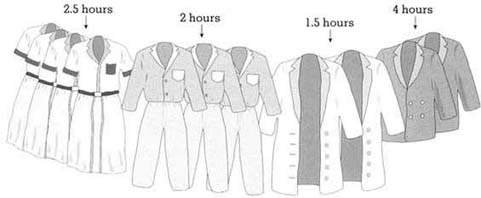
To calculate the indirect costs for one item use Step 3 of the Product Costing Form. First calculate the indirect costs per hour for all items your business makes.
To work out the indirect costs per hour for your business:
· divide the total indirect costs per month by the total hours in production per month (from the Labour Costs Form).
Then:
· multiply the total time per item (from Step 2 of the Product Costing Form) by the indirect costs per hour.
You can see how Reliable Tailors do their calculations of the indirect costs for one protective coat on the Product Costing Form. The indirect costs for a coat are 7.95 NU.
STEP 4. ADD UP TOTAL COSTS
|
COSTING FOR | |
|
| |
|
STEP 1. |
Calculate direct |
| | |
|
STEP 2. |
Calculate direct |
| | |
|
STEP 3. |
Calculate |
| | |
|
STEP 4. |
Add up |
Reliable Tailors have completed Steps 1, 2 and 3 of costing a protective coat. They now have all the amounts they need to work out the total costs of a coat. To do Step 4, they add up the amounts on the Product Costing Form:
|
Step 1 |
|
Step 2 |
|
Step 3 |
|
Step 4 |
|
Direct |
+ |
Direct |
+ |
Indirect |
= |
TOTAL COSTS |
|
30.40 NU |
|
4.95 NU |
|
7.95 NU |
|
4330 NU |
Now Reliable Tailors know the total costs of a coat. See the completed Product Costing Form.
They follow the same 4 steps for costing all other products they make. They use a separate Product Costing Form for each product. If the costs are not the same, Reliable Tailors use a separate Product Costing Form for each quality or design.
Remember, you only need one Labour Costs Form for the whole business. Reliable Tailors can use the information from their Labour Costs Form for costing all their products.
|
|
The total costs of a product or service are not the price you charge your customers. The total costs are only a starting point to decide what price to charge your customers. Learn how to set your prices in the MARKETING chapter. |

Figure
Costing for a retailer or wholesaler
|
If you are a manufacturer or service operator, go to Costing for a manufacturer or service operator. |
Retailers and wholesalers have the same types of costs and can normally do costing in the same way. Some costs for retailers and wholesalers are different from the costs manufacturers and service operators have:

Figure
|
COSTING | |
| | |
|
STEP 1. |
Calculate direct |
| | |
|
STEP 2. |
Calculate indirect |
| | |
|
STEP 3. |
Add up |
Retailers and wholesalers:
· have direct material costs. Retailers do not make products but they need goods to sell. The costs of buying goods to resell are the direct material costs for a retailer or wholesaler.· do not have direct labour costs. They buy and sell goods made by other businesses. They often have employees assisting in the store but they do not have any employees making products. So, for a retailer or wholesaler, all wages and salaries are indirect costs.
· have indirect costs such as rent and electricity. For a retailer or wholesaler, indirect costs are all the costs the business has except for the costs of buying goods to resell.
Retailers and wholesalers follow 3 steps to calculate the total costs for each product. They can use the Product Costing Form for the calculations.
|
Step 1 | |
Step 2 | |
Step 3 |
|
Direct |
+ |
Indirect |
= |
TOTAL COSTS |
To explain how a retailer or wholesaler does costing we use The General Store as an example.
STEP 1. CALCULATE DIRECT MATERIAL COSTS
|
COSTING | |
| | |
|
STEP 1. |
Calculate direct |
| | |
|
STEP 2. |
Calculate indirect |
| | |
|
STEP 3. |
Add up |
Direct material costs for a retailer or wholesaler are the costs of buying goods to resell.
The General Store calculate the direct material costs per item for the different products their store sells. This is how they calculate the direct material costs for baked beans:
· The General Store pay 36.00 NU for a box of baked beans.
· There are 12 cans in a box.
· The direct material cost of one can of baked beans is 3.00 NU.
|
|

The General Store does not include any cost for transport. They count transport as an indirect cost for the whole business. In the Product Costing Form, The General Store write the name of the product. In column 1, they write how much they pay for one item.
STEP 2. CALCULATE INDIRECT COSTS
|
COSTING | |
| | |
|
STEP 1. |
Calculate direct |
| | |
|
STEP 2. |
Calculate indirect |
| | |
|
STEP 3. |
Add up |
Indirect costs are all other costs that you have for running your business, for example, rent and electricity. For a retailer or wholesaler, indirect costs are all other costs, except costs for buying goods to resell.
The total indirect costs for a business must be divided and shared by each item the business sells. Normally, the total indirect costs for The General Store are 2000 NU per month. The General Store must add a part of the 2000 NU to the costs of each item their business sells.

Figure
The General Store wants to calculate the indirect costs for one can of baked beans. To do this, they must work out the indirect costs charge (%) for their business. Then they can calculate how much to add to the direct material costs for each can of baked beans to cover the total indirect costs.
The indirect costs charge is a percentage that you add to each item you sell to cover the total indirect costs.
|
|
3.00 NU | |
? | |
? |
| |
Direct |
X |
Indirect |
= |
Indirect costs |

|
|
By calculating the indirect costs charge, and adding it to each and every item your business sells, you make sure that you cover your total indirect costs. |
The General Store do the calculations for the indirect costs charge on the top part of their Product Costing Form.
To calculate the indirect costs charge and the indirect costs per item for every product you sell, follow these steps:
1. Calculate total direct material costs per month
2. Calculate total indirect costs per month
3. Calculate the indirect costs charge
4. Calculate the indirect costs per item.
1. Calculate total direct material costs per month
First, calculate how much money your business normally spends each month to buy goods to resell.
The General Store have many regular suppliers. They buy some goods:
· many times a week, for example, bread
· once a week, for example, dry foods and groceries such as sugar, salt and margarine
· once a month, for example, clothes.
They add up the receipts for all the goods their business normally buys during a month.
Some months The General Store buy a lot and some months they only buy a little but normally they buy goods to resell for 10,000 NU per month.
The General Store write the amount for total direct material costs per month at the top of their Product Costing Form.
The General Store does not include any transport costs in the total direct material costs for buying goods. It is difficult to calculate the transport costs for each item. They cannot just divide the cost and add the same amount to each item in the delivery because:
· there can be hundreds of items in one delivery, sometimes more, sometimes less, but the cost for transport is often the same for each delivery· in each delivery, some goods cost a lot and some cost less
· some items are big and some are small.
So, retailers and wholesalers should calculate their transport costs as indirect costs. Below, you can see how The General Store include transport costs as an indirect cost for their business.
|
|
How much money does your business normally spend each month on total direct material costs? |
2. Calculate total indirect costs per month
The General Store work out the total indirect costs for their business per month. Remember, for a retailer or wholesaler, indirect costs are all costs, except direct material costs, that you have for running your business.
The General Store list the indirect costs for the whole business. The list must include all the indirect costs per month for your business.
Here are the indirect costs for The General Store:
|
INDIRECT COSTS PER MONTH | |||
| | |
NU | |
| |
Rent |
300 | |
| |
Electricity |
75 | |
| |
Repairs and maintenance |
50 | |
| |
Insurance |
125 | |
|
A |
Transport |
250 | |
| |
Interest on loan |
150 | |
| |
Advertising and other promotion |
25 | |
|
B |
Indirect labour: |
1 shop assistant |
300 |
| | |
Owner’s salary |
550 |
|
C |
Depreciation |
20 | |
| |
Wrapping paper |
75 | |
| |
Stationery |
10 | |
| |
Licence |
5 | |
| |
Miscellaneous, e.g. teas, cleaning materials |
65 | |
| | | | |
| | | | |
| |
Total indirect costs per month |
2000 NU | |
Different businesses have different indirect costs. Work out how much money your business normally spends for each indirect cost every month. Make sure that your list of indirect costs is complete.
Costs that you do not pay every month
Your business may have some indirect costs that you do not pay each month, for example, insurance, licence and stationery. For those costs, divide the cost by the number of months the item is used. For example, The General Store pay 60 NU per year for a licence to operate the business. The cost per month is 5 NU:
|
|

Explanations of some of the indirect costs for The General Store
A. Transport
The General Store add up all the transport costs that their business has per month. This includes transport costs for:
· visiting suppliers, for example, bus fares and taxis
· buying goods for the business
· delivering goods to customers
· delivery by suppliers.
B. Indirect labour
Retailers and wholesalers buy and sell goods. They do not make any products. They do not have any employees directly involved in the production of goods. So, retailers and wholesalers do not have any direct labour costs. All salaries, wages and benefits for employees and owners are indirect labour costs.
C. Depreciation
Your business should calculate depreciation on equipment that:
· has a high value, and
· lasts for a long time.
For example, The General Store buy a delivery bicycle for their business. The bicycle has a high value of 1200 NU. The General Store estimate that they will use it for 5 years. But the bicycle will lose value during the 5 years. The loss in value is called depreciation and is a cost to the business.
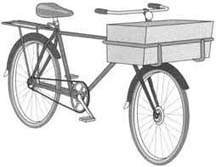
Figure
To work out how much the depreciation of the bicycle costs their business each year, The General Store divide the total cost of buying the bicycle by the number of years they expect to use it:
|
|
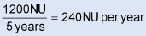
Then they divide 240 NU to work out the depreciation per month:
|
|
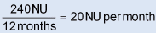
The General Store write the amount per month in their list of indirect costs.
The General Store write down all indirect costs per month on their list of indirect costs. They add them up to get the total indirect costs per month. They write the amount at the top of their Product Costing Form.
|
|
Make sure that you include all different indirect costs your business has when you do your costing |
3. Calculate the indirect costs charge
To calculate the indirect costs charge, divide the total indirect costs per month by the total direct material costs per month and multiply by 100. See The General Store’s calculation.
The General Store work out that the indirect costs charge for their business is 20%. The 20% indirect costs charge means that The General Store must add 20% to the direct material costs of each can of baked beans.
|
|
All retailers and wholesalers have different direct material costs and different indirect costs. So, the indirect costs charge will be different for every business. Work out the indirect costs charge for your business. |
4. Calculate indirect costs per item
The indirect costs charge tells you what percentage to add to the direct material costs of all the goods you sell so you can cover your total indirect costs. Now you have to calculate the amount to add to each item.
The indirect costs charge for The General Store is 20%. So The General Store must add 20% to the direct material costs of all the goods they sell.
Here is how they calculate the amount to add to each can of baked beans:
|
|
3.00 NU | |
| |
0.60 NU |
| |
Direct |
X |
Indirect costs |
= |
Indirect costs |

The indirect costs for a can of baked beans are 0.60 NU. Now The General Store know that they must add 0.60 NU to each can of baked beans to cover their total indirect costs.
The General Store use column 2 of the Product Costing Form to work out the amount to be added to each product. They use the same indirect costs charge, 20%, to calculate the amount for all the products their business sells.
STEP 3: ADD UP TOTAL COSTS
|
COSTING | |
| | |
|
STEP 1. |
Calculate direct |
| | |
|
STEP 2. |
Calculate indirect |
| | |
|
STEP 3. |
Add up |
To get the total costs per item, you add up the amounts for direct material costs and indirect costs.
The General Store now has all the information they need to work out the total costs for a can of baked beans.
|
|
Step 1 |
|
Step 2 |
|
Step 3 |
| |
Direct |
+ |
Indirect |
= |
TOTAL COSTS |
| |
3.00 NU |
|
0.60 NU |
|
3.60 NU |
This is how The General Store add up the total costs for baked beans, and for all their other products, on the Product Costing Form:

Figure
|
|
The total costs of a product are the starting point to decide what price to charge your customers. To make a profit, your price must be higher than the total costs of the product. Learn how to set your prices in the MARKETING chapter. |
Review
Summary
Every business has costs. Costs are all the money your business spends to make and sell your products or services. Costing is the way you calculate the total costs of making or selling a product, or providing a service.
Costing helps your business to:
· set your prices
· reduce and control your costs
· make better decisions about your business
· plan for the future.
All businesses have two types of costs:
· direct costs
· indirect costs.
Direct costs are all costs that are directly related to the products or services your business makes or sells. There are two types of direct costs:
· direct material costs
· direct labour costs.

Figure
Indirect costs are all other costs, except direct costs, that you have for running your business, for example, rent and electricity. Indirect costs are normally not directly related to one particular product or service. Indirect costs are sometimes called overheads or expenses.
You must understand the different types of costs to be able to calculate the total costs for any product or service your business makes or sells:
|
Direct |
+ |
Direct |
+ |
Indirect |
= |
TOTAL COSTS |
If you are a manufacturer or service operator, use a Product Costing Form and follow 4 steps to calculate the total costs of making and selling any product or service in your business:
Step 1: Calculate direct material costs
Step 2: Calculate direct labour costs
Step 3: Calculate indirect costs
Step 4: Add up total costs.
Use a separate Product Costing Form for costing each product or service.
If you are a retailer or wholesaler, use a Product Costing Form and follow 3 steps to calculate the total costs of each product you sell:
Step 1: Calculate direct material costs
Step 2: Calculate indirect costs
Step 3: Add up total costs.
Retailers and wholesalers do not make products so they do not have any direct labour costs.
Use the total costs of a product as the starting point to decide what price to charge your customers.
What did you learn in this chapter?
Now that you have worked through this chapter, try these practical exercises. The exercises will remind you of what you have learned and help you to improve the costing in your business.
Compare your answers with the Answers. If you find it difficult to work out an answer, read the relevant part of the manual again. The best way to learn is to finish an exercise before you look at the answers. Check the list of Useful Business Words.
|
|
You have learned more about costing in this chapter. But what you have learned does not help you until you use the new knowledge in the day-to-day running of your business. Remember to do the Action Plan to improve the costing in your business. |
|
COSTING AT BEAUTY HAIR SALON This exercise is for manufacturers and service operators. If you are a retailer or wholesaler, do the exercise COSTING AT READER’S BOOKSHOP. Beauty Hair Salon is a service operator. Help Beauty Hair Salon do the costing of a perm. 1. Use the information below to fill in part 1 of the Product Costing Form and to calculate the direct material costs for one perm. To make a perm, Beauty Hair Salon use perm lotion and neutralizer: Perm lotion: · a 5 litre container makes 50 perms Neutralizer: · a 2.5 litre container makes 40 perms 2. Use the information below to complete the Labour Costs Form for Beauty Hair Salon. Then use the information from the Labour Costs Form to fill in part 2 of the Product Costing Form and to calculate the direct labour costs for one perm. There are 4 people working at Beauty Hair Salon: · Miss Mrisho who is the owner of Beauty Hair Salon. She works full-time (160 hours per month) doing hairdressing. Her salary is 1500 Nil per month. The total time needed to make a perm for one customer is one and a half hours. This includes all activities such as shampooing, applying perm lotion, rollers and neutralizer, conditioning, drying and all the rinsing in between.
3. Use the information below to fill in the indirect costs for Beauty Hair Salon. Then do the calculation for indirect costs per item in part 3 of the Product Costing Form for perms. At Beauty Hair Salon: · Rent costs 428 NU per month
|
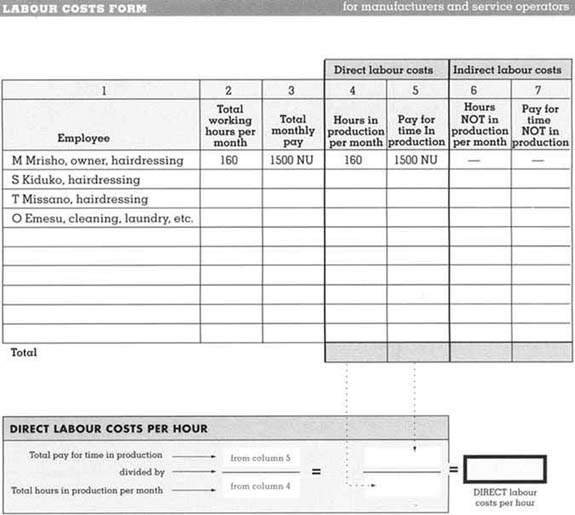

|
INDIRECT COSTS PER MONTH | |
| | |
|
Rent | |
|
Electricity and water | |
|
Transport | |
|
Advertising and promotion | |
|
Indirect labour (from Labour Costs Form, total oi column 7) | |
|
Depreciation (hair dryer) | |
|
Licence | |
|
Shampoo, conditioner, etc. | |
|
Scissors, combs, brushes, towels, shower caps, perm rods, etc. | |
|
Miscellaneous: cleaning materials, teas, etc. | |
| | |
| | |
|
Total indirect costs per month | |
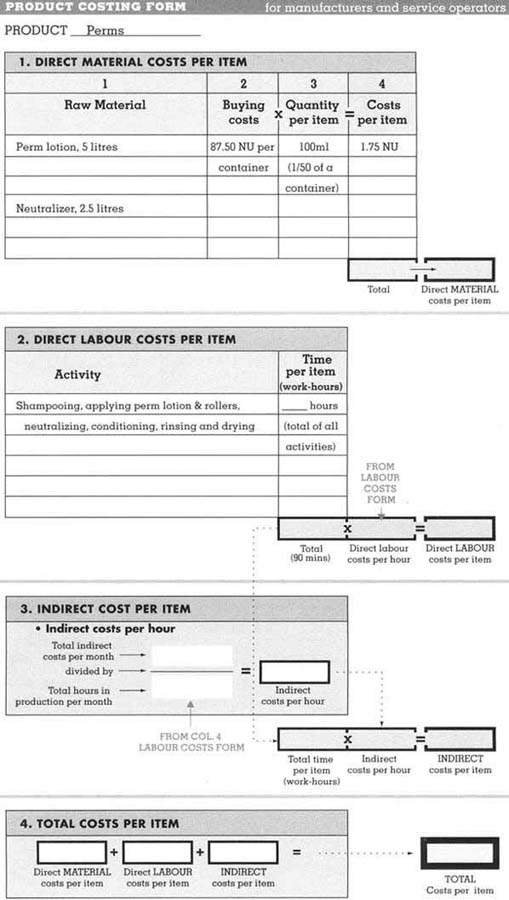
Figure
|
1. Here is the completed Labour Costs Form, list of indirect costs and Product Costing Form for perms:
| |
|
INDIRECT COSTS PER MONTH | |
| |
NU |
|
Rent |
428 |
|
Electricity and water |
200 |
|
Transport |
70 |
|
Advertising and promotion |
75 |
|
Indirect labour (from Labour Costs Form, total of column 7) |
300 |
|
Depreciation (hair dryer) |
20 |
|
Licence |
10 |
|
Shampoo, conditioner, etc. |
100 |
|
Scissors, combs, brushes, towels, shower caps, perm rods, etc. |
50 |
|
Miscellaneous: cleaning materials, teas, etc. |
40 |
| | |
| | |
|
Total indirect costs per month |
1293 NU |
|
· To calculate the costs per month for scissors, combs, brushes, etc. divide the total cost by the number of months they normally use these materials before they buy again, 6 months: · To calculate the costs per month for miscellaneous items, divide the total cost by the number of months they use the items before they buy again, 2 months:
| |
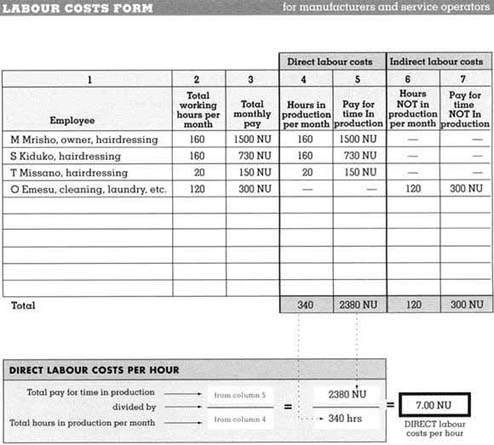

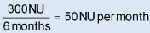

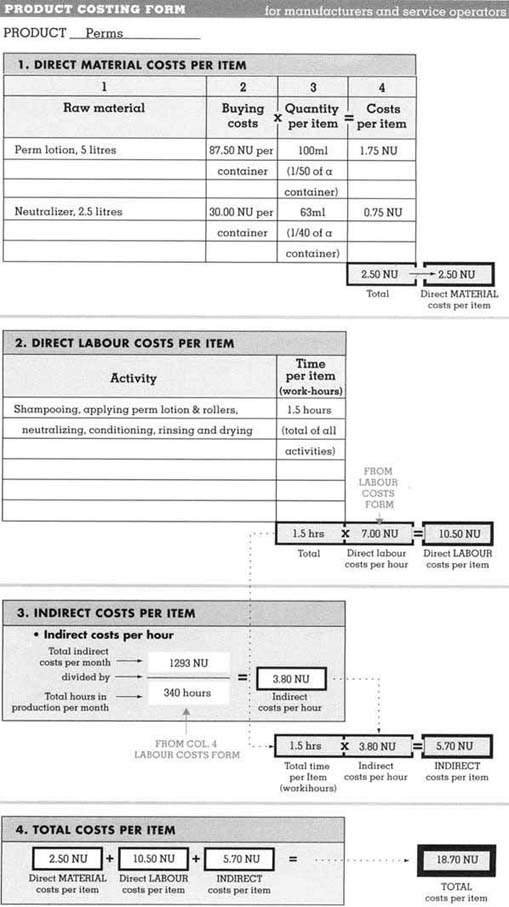
|
COSTING AT READER’S BOOKSHOP This exercise is for retailers and wholesalers. If you are a manufacturer or service operator, do the exercise COSTING AT BEAUTY HAIR SALON. Reader’s Bookshop is a retail business mainly selling books and stationery. Help Reader’s Bookshop to calculate the indirect costs per item and the total costs per item for each product they have listed on their Product Costing Form below. For your calculations you also need this information: · Reader’s Bookshop normally buy goods to sell for 6000 NU per month.
|

|
The completed Product Costing Form for Reader’s Bookshop should have the amounts shown in the form below:
· To calculate the indirect costs charge, divide the total indirect costs per month by the total direct material costs for buying goods per month and multiply by 100: · To calculate the indirect costs per item (column 2), multiply the direct material costs per item by the indirect costs charge: Pencils: · To work out the total cost per item (column 3), add the direct material costs per item and the indirect costs per item: Pencils: |
|
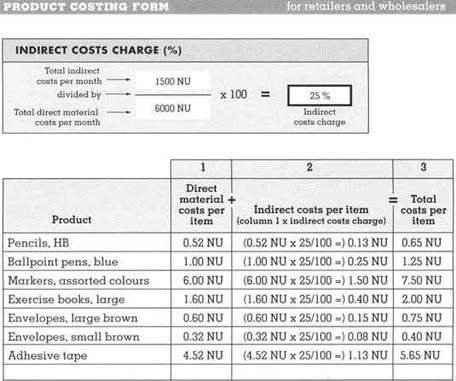
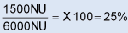
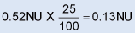

|
| ||||||||||||||||||||||||||||||||||||||||||||||||||||||||||||
Improve Your Business: Basics (ILO, 1999, 188 p.)
RECORD-KEEPING
IN THIS CHAPTER YOU WILL LEARN HOW TO
|
NOTE |
Since this book is intended for use in many different countries, we have used the term “NU” in the examples to represent an imaginary “National Unit of currency” |
Keeping and using business records
WHAT IS RECORD-KEEPING?
To keep business records means to write down:
· how much money your business receives, and
· how much money your business pays out.
A transaction is any exchange of money for goods or services. Money comes in and goes out of the business through transactions. Here are two examples of transactions:
· A customer gets goods from your business - your business gets money from the customer.· You keep your business money in a savings account - the bank pays interest.
In the transactions above, money comes in to a business. A business gets money mainly by selling goods or services.
A business spends money to pay for goods, raw materials, labour, rent, electricity and all other costs. In the transactions below, money goes out of a business:
· Your business gets goods and raw materials - the supplier gets money from your business.· You are the owner and you work at the business - the business pays you a salary.
|
|
For good record-keeping you need to write down all your business transactions in an organized way in the order the transactions happened. |
|
|
Do you keep business records? Do you record every transaction? |
HOW CAN RECORDS IMPROVE YOUR BUSINESS?
Neat, accurate records can help you to find out how your business is doing. They can help you solve problems in your business.
· If your business is doing well, use your records to find out why. Then find and plan ways to do even better.· If your business is not doing well, use your records to find out what is wrong. Plan ways to solve the problems.
Records can help you run your business in the following ways:
Records help you control your cash
Your records show you how much money your business should have at any point in time. Use your records to make sure that money does not disappear.Records show you how your business is doing
Your records help you find problems before it is too late. Use your records to find out if something is going wrong, if costs are too high, if sales are falling, and so on.Records show others how your business is doing
You need proper records when you apply for a loan, pay your taxes, and so on. Use your records to show that everything is in order and that you are in control of your business.Records help you plan for the future
Records show how well your business did in the past and how well it is doing now. When you know your business’s strengths and weaknesses, you can plan properly for the future.

Figure
|
|
If you keep records, how do you use them to improve your business? |
The record-keeping system
Your record-keeping system should be as simple as possible. You must be able to get all the information you need from your record-keeping, but the record-keeping system should not contain more information than that. A record-keeping system that has too much information is complicated and takes a lot of time to keep.
Your record-keeping system can have these parts:
· Customers’ Accounts Record
· Record Book
· Profit and Loss Statement.
Customers’ Accounts Record
If you sell on credit, write down how much each customer owes your business in a Customers’ Accounts Record. When a customer pays, write the amount received both in the Customers’ Accounts Record and in the Record Book.
|
|
Keep invoices and delivery notes for everything you buy on credit. It is a good idea to keep them in a file. You can call the file Unpaid Suppliers’ Invoices. When you pay for what you bought on credit, write the amount in the Record Book. |
The Record Book
The Record Book is the centre of your record-keeping. In the Record Book you write down:
· all money that comes into your business and where it came from - mostly from sales.
· all money that goes out of your business and what it was used for - mostly for costs.
|
|
Learn more about different types of costs in the COSTING chapter. |
Profit and Loss Statement
To see how your business is doing, use information from the Record Book to make a Profit and Loss Statement.
This is how the record-keeping system works:
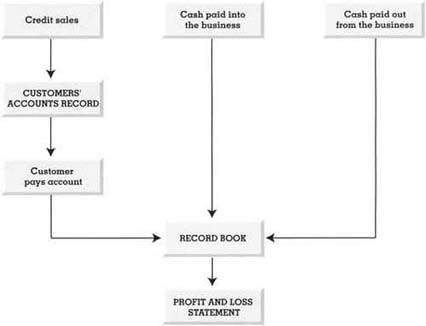
Figure
CUSTOMERS’ ACCOUNTS RECORD
When you sell goods or services on credit, money will be paid later for the goods or services your customers receive. You need written records of everything your business sells on credit. Use a Customers’ Accounts Record.
In general it is risky to sell on credit. Some customers do not pay on time. Some customers do not pay at all. But credit can increase your sales, because good customers stay with your business. So it can be a good idea to give credit to reliable customers.
If you sell on credit, keep a record of all your credit sales. A written record of customers’ credit helps you to know:
· which customers owe money to your business
· how much money each customer owes
· which customers pay their accounts on time.
|
|
With written records, you avoid arguments with customers and you can follow up customers who do not pay their accounts on time. |
Make your own Customers’ Accounts Record, with one page or section for each customer. You can use:
· a book with a page for each customer
· separate pages in a file
· a separate book for each customer, if you have very few customers who each buy a lot.
This is the Customers’ Accounts Record for one customer at Reader’s Bookshop:
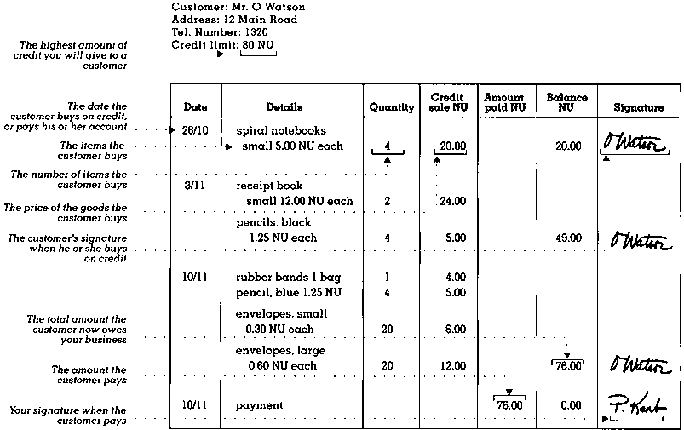
Figure
When the customer pays the account, write down the payment in the Customers’ Accounts Record. The payment also means that cash comes into the business. So the transaction must be recorded in the Record Book.
The Record Book
The Record Book is where you write down all the transactions in your business. Make a habit of entering the day’s transactions in your Record Book at the end of each day.
VOUCHERS
For your record-keeping you need proof to show that you received or paid out money. You need written proof of every transaction, even for small amounts such as stamps or small cash sales. Some examples of written proof are:
· copies of receipts you give to customers when they buy from you
· receipts or invoices you get when you buy goods or raw materials, or receipts when you pay rent and electricity.
If there is no written proof, you must write down the details about the transaction yourself. You can use a sheet of paper to write down the information you need. It is important to write:
· when the transaction happened
· who was involved in the transaction
· what happened in the transaction
· how much money was involved in the transaction.
In record-keeping, receipts and any other written proof of transactions are called vouchers. File and keep all the vouchers. They are the only proof that your records are correct. If there are mistakes in your record-keeping, the vouchers help you find out where the mistakes are.
The information you need to fill in your Record Book comes from the vouchers from all transactions in your business.
Give each voucher a number
Write a new number on each voucher. Start with number 1 for the first entry of the year. Then continue in number order with 2, 3, 4 and so on, until the end of the year. By numbering your vouchers this way, it is easy and quick to find the voucher you need. Give the voucher its number when you record the transaction in the Record Book.
After you have recorded the vouchers in your Record Book, file all vouchers in number order. This way, your vouchers are in the same order in the file as they are recorded in your Record Book.
HOW TO FILL IN THE RECORD BOOK
All business transactions are recorded in columns in the Record Book. The different columns are for details about each transaction in your business. In different columns, you record transactions of different types. The amount of money for each transaction is recorded in two different columns.
Why must you record a transaction in two columns?
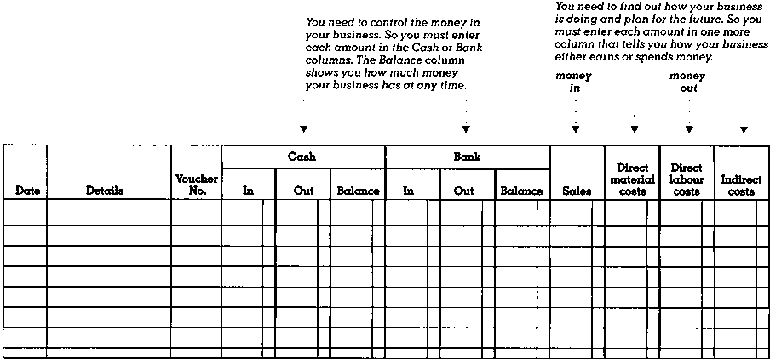
Figure
In what order should you record a transaction?
To avoid making mistakes, record every transaction in this order:
Step 1. Fill in the date, details and voucher number in the Record Book.Step 2. Write the voucher number on the voucher.
Step 3. Record the amount of the transaction in two different columns. Enter the amount in the Cash or Bank column first. Then enter the same amount in one of the other columns.
Step 4. File the voucher.
Use an analysis book, an exercise book or any other suitable book for your Record Book. Draw the same columns as in Modern Furniture’s Record Book on the next page.
Figure
Modern Furniture’s Record Book
Modern Furniture is a manufacturing business, making furniture to order. People in town come to Modern Furniture and order the furniture they want. This is Modern Furniture’s Record Book for November.
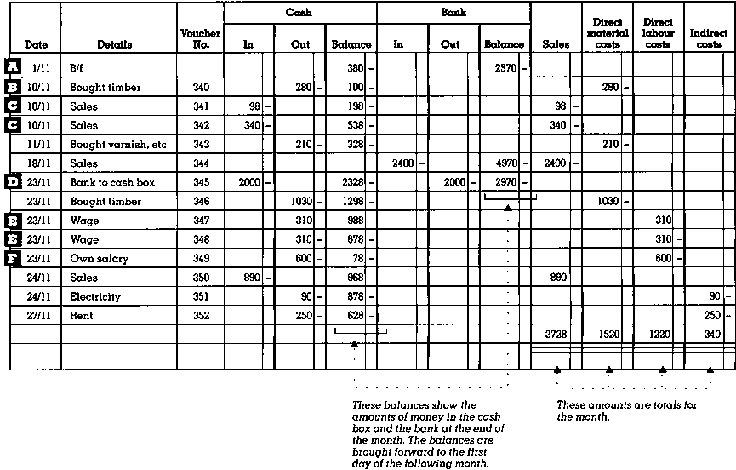
Figure
Date: Write the date of the transaction.
Details: Describe the transaction.
Voucher No.: Write a voucher number for each transaction. Write the same number on the voucher.
Cash: Write all the cash that came into or went out of your business. At any time, the Balance column shows the amount of money you should have in the cash box.
Bank: Write all the money that came into or went out of your bank account. At any time, the Balance column shows you the amount of money you have in the bank.
Sales: Write all your money in from sales in this column.
Direct material costs: Write the cost of all raw materials or goods for resale in this column.
Direct labour costs: If you are a manufacturer or service operator, write all wages for people who make your products or provide your services in this column. Retailers and wholesalers do not need this column.
Indirect costs: Write all other costs for running your business in this column. Here are explanations for some of the transactions:
A. On the first day of the month, Modern Furniture wrote down the balances brought forward for Cash and Bank on a new page in the Record Book. The balances brought forward show how much money Modern Furniture have in the cash box and in the bank account at the start of the month. Modern Furniture got the amounts from the balances on the last day of the month before.
B. Modern Furniture paid cash for timber. The receipt from the supplier is the voucher. Modern Furniture write down the amount in two columns, under Cash out and under Direct Material Costs.
C. Two customers bought goods for cash, so Modern Furniture have copies of two receipts. They give each receipt a voucher number. They write each voucher on a separate line in the Record Book. For each transaction they write the amount under Cash in and under Sales.
D. Modern Furniture took money out of the business’s bank account and put it in the cash box. They wrote their own voucher for the transaction and wrote the amount under Cash in and Bank out.
E. Modern Furniture paid monthly wages in cash to the two carpenters working at the business. Each employee signed a receipt. The two receipts are the vouchers. Modern Furniture write the amounts under Cash out and under Direct labour costs.
F. The owner of Modern Furniture paid himself his monthly salary. The owner’s salary is a direct labour cost because he works directly in the production. The owner’s salary is written under Cash out and Direct labour costs.
Figure
Figure
QUESTIONS AND ANSWERS ABOUT THE RECORD BOOK
What should you do if a page is full?
When a page of Modern Furniture’s Record Book is full before the end of the month they add up the columns and carry the totals and balances to the next page.
To carry the totals and balances to the next page is called balances brought forward. You can write B/f in the details column.
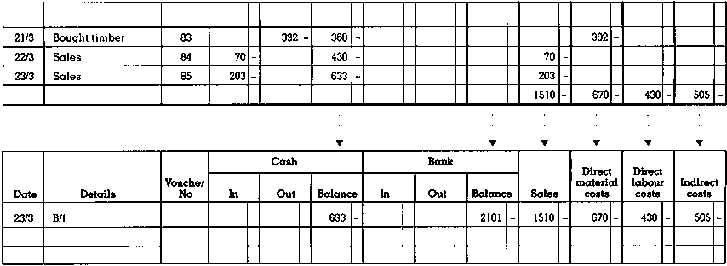
Figure
How should you record loans, grants, tax and equipment?
The general rule in the Record Book is to make two entries for each transaction. But you make only one entry for some transactions. The most important of those transactions are:
· loans
· grants or donations
· tax
· equipment or machines
· depreciation.
A. Loans
A loan is money coming into the business, but not from sales. To keep control of your money the loan must be recorded. Write the amount in the column for Cash in or Bank in, depending on where you put the money. But make no other entry.
When you pay back the loan, enter the payment in the column for Cash out or Bank out, and no other entry.
B. Grants or donations
A grant or donation is also money coming into the business, but not from sales. Write down the amount under Cash in or Bank in, and make no other entry.
C Tax
You pay tax on the profit you make. It is neither a direct cost nor an indirect cost so you only record it as Cash out or Bank out.
D. Equipment or machines
When you buy machines or any other expensive equipment, money goes out of your business. Enter those amounts under Cash out or Bank out, and make no other entry.
Here are examples of these transactions:
| |
Date |
Details |
Voucher |
Cash |
Bank |
Sales |
Direct |
Direct |
Indirect | ||||||||||||||
| | | | |
In |
Out |
Balance |
In |
Out |
Balance |
| | |
| ||||||||||
|
|
2/1 |
B/f | | | | | |
360 |
- | | | | |
1230 |
- | | | | | | | | |
|
A |
3/1 |
Received loan |
78 | | | | | | |
5000 |
- | | |
6230 |
- | | | | | | | | |
| |
3/1 |
Sales |
79 |
125 |
- | | |
485 |
- | | | | | | |
125 |
- | | | | | | |
|
B |
4/1 |
Received donation |
80 |
2000 |
- | | |
2485 |
- | | | | | | | | | | | | | | |
| |
4/1 |
Bought stationery |
81 | | |
67 |
- |
2418 |
- | | | | | | | | | | | | |
67 |
- |
|
C |
5/1 |
Paid tax |
82 | | |
1200 |
- |
1218 |
- | | | | | | | | | | | | | | |
|
D |
5/1 |
Bought machine |
83 | | | | | | | | |
4500 |
- |
1730 |
- | | | | | | | | |
| | | | | | | | | | | | | | | | | | | | | | | | |
E. Depreciation
Machines and equipment get older every year they are used. They lose value. The loss in value of machines and equipment is called depreciation. Depreciation is an indirect cost to your business and must be recorded. But depreciation does not mean that money goes out of the business. The money was paid out when the machine or equipment was bought.
To calculate the depreciation, divide the total cost of buying the machine or equipment by the number of years you expect to use it. Only calculate depreciation for machines or equipment which have a high value and last for several years.
In your Record Book, record the depreciation for all your machines and equipment as one amount every year. Make it the very last entry of the year. Enter the amount under Indirect costs, and make no other entry.
For example. Modern Furniture’s total cost for depreciation is 3200 NU per year. They record it as the last entry of the year like this:
|
Date |
Details |
Voucher |
Cash |
Bank |
Sales |
Direct |
Direct |
Indirect | ||||||||||||||
| | | |
In |
Out |
Balance |
In |
Out |
Balance |
| | |
| ||||||||||
|
| | |
| | |
| | |
| | |
| | |
| | |
| | |
| |
| | |
| | |
| | |
| | |
| | |
| | |
| | |
| | |
|
29/12 |
Sales |
471 |
350 |
- | | | | | | | | | | |
350 |
- | | | | | | |
|
30/12 |
Glue and varnish |
472 | | |
78 |
- | | | | | | | | | | |
78 |
- | | | | |
|
31/12 |
Depreciation |
473 | | | | | | | | | | | | | | | | | | |
3200 |
- |
| | | | | | | | | | | | | | | | | | | | | | | |
|
|
Learn more about depreciation in the COSTING chapter. |
Use records to improve your business
Your records cannot solve problems by themselves. You are the one who must solve the problems. But your records will help you.
|
|
|
|
Think of a broken-down car. The mechanic cannot find the problem by looking at the whole car. |
The mechanic must study each part carefully to find the problem. |


Your business is like a car. To repair it and make it run well, you must understand all the different parts that make it work. That is called analysing your business.
You can use your records to analyse your business. Your records help you to:
· analyse your sales
· analyse your costs
· analyse your profit.
When you analyse your sales, costs or profit, you will be able to find out if your business is doing well or not. If something is wrong, you will be able to find out what is wrong so you can solve your problems. Even if your business is doing well, analysing your records can help you to find ways to do even better.
At the end of every month, make sure you have:
· written the balance for cash and bank
· added up all the sales
· added up each of the costs: direct material costs, direct labour costs and indirect costs.
These totals for sales and costs are the starting point for analysing your records.
|
|
Do you know the total sales and costs for your business? |
ANALYSE YOUR SALES
High sales do not always mean that your profit is high. But your sales are important for the success of your business. Analyse your sales to find out if sales are going up or down.
Compare the total sales from this month with the total sales from last month and for the same month last year. These are the amounts for sales at Modern Furniture:
|
SALES COMPARISON | |||
| |
THIS MONTH |
LAST MONTH |
THIS MONTH LAST YEAR |
|
Sales |
5763 NU |
3728 NU |
3850 NU |
Modern Furniture asked themselves:
· Are sales going up or down? Why?
Modern Furniture know why sales were higher in December than in November. In December they had a special order for beds from the new hotel in town. In December 2000 they had no special order so sales were about the same as in November 2001.
|
|
In some business the sales are higher in some seasons and lower in others. You know your business best. · In which months or seasons do you expect to sell more? Why? · In which months or seasons do you expect to sell less? Why? |
When you understand the reasons for changes in your sales, you can plan ways to increase them. If your sales are falling, study your records and think of every possible reason for the problem. Here are some examples:
· Is it a marketing problem? For example, do you not sell what your customers want?· Is it a buying problem? For example, do you buy from a supplier who cannot offer what the customers want?
· Is it a stock control problem? For example, do you keep too little stock, damaged stock or stock in bad condition?
· Is it a costing problem? For example, do you not calculate your direct labour costs correctly?
· Is it a record-keeping problem? For example, do you not write down and follow up credit sales?
· Is it a financial planning problem? For example, are the costs in your business higher than planned?
|
|
There is a chapter on each of these topics. Use these chapters to help you analyse your business. Think about these same topics when your sales go up, too. When you know why your sales increase, you can plan ways to do even better. |
Follow these steps to analyse your sales. You can use the same steps to analyse any other part of your records.
|
ANALYSE | | | |
| | | | |
|
STEP 1. |
Compare |
® |
Compare your monthly or yearly sales to find out if there is a change. Are your sales rising or falling? |
| | | | |
|
STEP 2. |
Find reasons |
® |
Find reasons for rising or falling sales. |
| | |
| |
|
STEP 3. |
Plan |
® |
Plan ways to increase your sales and improve your business. |
ANALYSE YOUR COSTS
These are the different costs in Modern Furniture. They get the figures from their Record Book.
|
COSTS COMPARISON | |||
| |
THIS MONTH |
LAST MONTH |
THIS MONTH LAST YEAR |
|
Direct material costs |
2490 NU |
1520 NU |
1345 NU |
|
Direct labour costs |
1495 NU |
1220 NU |
1250 NU |
|
Indirect costs |
485 NU |
340 NU |
310 NU |
Modern Furniture compare the different costs from this month with the costs from last month and the same month last year. They use the same steps as they did for sales.
|
ANALYSE | | | |
| | | | |
|
STEP 1. |
Compare |
® |
Compare your monthly or yearly costs to find out if there is a change. Are your costs rising or falling? |
| | | | |
|
STEP 2. |
Find reasons |
® |
Find reasons for rising or falling costs. |
| | |
| |
|
STEP 3. |
Plan |
® |
Plan ways to lower your costs and improve your business. |
Modern Furniture analysed their costs to find out:
· which costs had gone up, and why
· which costs had gone down, and why.
Here are some examples of what they found:
· Direct material costs were much higher in December 2001 than in November. This seems bad. But Modern Furniture know that sales were much higher in December than in November. The more you sell, the more raw materials you need. So there is a good reason for the increase in direct material costs.
Sales in December 2000 were slightly higher than in November 2001. But the direct material costs were lower. Modern Furniture should look closely in their Record Book to find out how they managed to keep the direct material costs so low.
· Direct labour costs have increased from November. One employee was paid overtime to make the beds for the new hotel. This does not worry Modern Furniture as long as the sales increased at the same time as the direct labour costs.· Indirect costs for December 2001 were higher than in both November 2001 and December 2000. The cost for electricity increased. Modern Furniture must find out why.

Figure
|
|
Are costs in your business rising or falling? Do you know which costs are rising or falling, and why? What can you do to lower costs in your business? |
MAKE A PROFIT AND LOSS STATEMENT
To find out if your business is making a profit or a loss, you subtract all costs from your sales. When sales are higher than costs, your business makes a profit. When sales are lower than costs, your business makes a loss.
A Profit and Loss Statement helps you to calculate if your business is making a profit or a loss. Every business should do a Profit and Loss Statement at the end of every year. You can also calculate your profit and loss more often, for example:
· after each month
· after three months
· after six months.
The more often you calculate your profit and loss, the sooner you will know if your business has problems. Then you can do something about the problems before it is too late.
Modern Furniture get all the amounts in the Profit and Loss Statement from their Record Book. This is their Profit and Loss Statement for 2001:
|
PROFIT AND LOSS STATEMENT | ||||||
|
1/1/2001 - 31/12/2001 | ||||||
|
A |
Sales | |
36213 | | | |
|
B |
Direct material costs |
- |
11600 |
| | |
|
C |
Value added |
= |
24613 |
® | |
24613 |
| |
| | |
| | |
|
D |
Direct labour costs |
|
15800 | | | |
|
E |
Indirect costs |
+ |
4713 |
| | |
| |
All other costs |
= |
20513 |
® |
- |
20513 |
|
F |
Net profit |
| | |
= |
4100 |
A. Sales
Modern Furniture add up all the 12 monthly sales totals for 2001 from their Record Book. The sales from January to December were:
1460 NU + 2315 NU + 2330 NU + 3070 NU + 2635 NU + 3050 NU + 2870 NU + 2812 NU + 3200 NU + 2980 NU + 3728 NU + 5763 NU = 36213 NU.
B. Direct material costs
Modern Furniture add the totals of direct material costs for each month to get the total direct material costs for 2001: 11600 NU. They get the figures from the Record Book.
C. Value added
Deduct direct material costs from sales to get value added. The value added shows you how much your business has increased the value of the direct materials that you bought. Read more about value added.
D. Direct labour costs
Modern Furniture add up all the monthly totals for the employees making furniture: 15800 NU. That is the total direct labour costs for the year. They get the figures from the Record Book.
E. Indirect costs
The total indirect costs for 2001 are 4713 NU. Modern Furniture worked out the figure by adding up all monthly totals from the Record Book.
F Net profit
Deduct all other costs from the value added to get the net profit. The net profit shows the total result of your business. Read more about net profit.
|
|
Manufacturers and service operators have direct labour costs. Retailers and wholesalers do not. If your business does not have direct labour costs, do not enter any amounts under direct labour costs. Instead, include all your costs for labour under indirect costs. |
ANALYSE YOUR PROFIT
Analyse your profit to find ways to improve your business. To analyse your profit, follow the same steps as for analysing sales and costs.
|
ANALYSE | | | |
| | | | |
|
STEP 1. |
Compare |
® |
Compare your monthly or yearly profits to find out if there is a change. Are your profits rising or falling? |
| | |
| |
|
STEP 2. |
Find reasons |
® |
Find reasons for rising or falling profits. |
| | |
| |
|
STEP 3. |
Plan |
® |
Plan ways to lower your profits and improve your business. |
Analyse your value added
The value added is very important for your business. Value added is the amount of money left after you have subtracted your direct material costs from the money earned from sales. The value added must be high enough to pay for all other costs in your business and to give you a profit.
|
Sales |
- |
Direct |
= |
VALUE ADDED |
A retailer or wholesaler buys goods for resale and a manufacturer buys raw materials to make products. These are direct material costs to the business. The price when the business sells its products is higher than the direct material costs. The difference between the direct material costs and sales is the value added. It shows you how much your business has increased the value of the direct materials that your business bought.
When you try to increase your value added, your direct labour costs and indirect costs will often increase as well. But the costs will often not increase as much as the value added and your net profit will be higher.
Modern Furniture, for example, make a simple dining room table which they sell to customers who cannot pay much for furniture and want a cheap table. The table is sold for 300 NU. Modern Furniture have done the costing of the table and know how much one table costs to make. This is the profit they make from one table:
|
PROFIT FOR SIMPLE DINING TABLE | ||
|
Sales | |
300 NU |
|
Direct material costs |
- |
110 NU |
|
Value added |
= |
190 NU |
| |
| |
|
Direct labour costs |
- |
40 NU |
|
Indirect costs |
- |
20 NU |
|
Net profit |
= |
130 NU |
To increase the value added in the production of the tables, Modern Furniture are planning to:
· change the design of the table
· use better quality wood.
Modern Furniture will sell the new type of tables to customers who want more exclusive furniture in their homes and can afford to pay higher prices.
The direct material costs for the new table will be higher. The design will be more complicated and each table will take longer to make, so the direct labour costs will also be higher. The indirect costs allocated to one table will be higher, because one table takes a longer time to make.
The price will increase more than the increase in costs. This is the profit they will make from the new exclusive dining table:
|
PROFIT FOR EXCLUSIVE DINING TABLE | ||
|
Sales | |
600 NU |
|
Direct material costs |
- |
190 NU |
|
Value added |
= |
410 NU |
| |
| |
|
Direct labour costs |
- |
90 NU |
|
Indirect costs |
- |
40 NU |
|
Net profit |
= |
260 NU |
If the value added in your business is falling, there can be a number of reasons. Make sure that you analyse the value added and find out the true reason.
Examples of reasons for falling value added are:
Your total sales have fallen
For example, Network Computers import and sell computers. During 2001, competition from low price importers was tough. Network Computers maintained the same value added on each machine but the number of machines sold decreased from 2000 to 2001 and the total value added fell:
|
Network Computers |
2000 | |
|
Sales | |
86400 NU |
|
Direct material costs |
- |
59300 NU |
|
Value added |
= |
27100 NU |
|
Network Computers |
2001 | |
|
Sales | |
76000 NU |
|
Direct material costs |
- |
52400 NU |
|
Value added |
= |
23600 NU |
You have sold more products or services than before with a low value added
For example, Builders Wholesalers sell both complete kitchen units and construction materials like cement, timber and bricks. The value added is highest on the kitchen units. In 2001 they sold fewer kitchen units but more building materials than in 2000. The value added fell:
|
Builders Wholesalers |
2000 | |
|
Sales | |
336000 NU |
|
Direct material costs |
- |
258900 NU |
|
Value added |
= |
77100 NU |
|
Builders Wholesalers |
2001 | |
|
Sales | |
341500 NU |
|
Direct material costs |
- |
301000 NU |
|
Value added |
= |
40500 NU |
Your direct material costs have increased but you have not increased your prices
For example, Fashion Enterprises make trousers. The price of the raw materials they use went up in 2001. Because of tough competition, Fashion Enterprises did not increase their prices. Their value added fell:
|
Fashion Enterprises |
2000 | |
|
Sales | |
27620 NU |
|
Direct material costs |
- |
21100 NU |
|
Value added |
= |
6520 NU |
|
Fashion Enterprises |
2001 | |
|
Sales | |
28190 NU |
|
Direct material costs |
- |
23680 NU |
|
Value added |
= |
4510 NU |
The higher your value added is, the more money there is to cover other costs and to give your business a profit. Try to find ways to increase your value added.
Examples of ways to increase value added are:
· Increase the number of items sold
If you sell more of your product, the total value added will increase even if the value added for one item of the product is the same.· Sell more products with a high value added
If your business sells several different products, each one probably has a different value added per item. Try to concentrate on the products with the highest value added. Sometimes the price can be raised and the value added increased by improving your product, like Modern Furniture did.· Raise the price
Try to raise your prices at least as much as the direct material costs increase.
This is how Modern Furniture analyse their value added for 2001. They compared the value added for 2001 with the two previous years:
|
VALUE ADDED COMPARISON | |||
| |
THIS YEAR |
LAST YEAR |
THE YEAR BEFORE LAST |
|
Value added |
24613 NU |
22900 NU |
16580 NU |
Modern Furniture can see that their value added in 2001 was higher than in 2000 and 1999. They know that the reason for the increase is higher sales. The value added on each piece of furniture has been the same.
Modern Furniture want to increase the value added even more and will now try to find ways to increase the value added on each piece of furniture.
|
|
Has the value added in your business gone up or down? What is the reason for the increase or decrease in value added? |
Analyse your net profit
The net profit is the amount of money left after you have subtracted all other costs from the value added. The net profit shows you the total result of your business. It tells you how well or how badly your business is doing.
|
Value |
- |
All other |
= |
NET PROFIT |
You may have very high sales and a high value added. But if your direct labour costs and indirect costs are also very high, you can end up with a very low net profit, or even a loss.
Find out if the net profit is higher or lower than before, and why. If the value added is not lower, the reason for lower net profit is higher direct labour costs or higher indirect costs, or both.
This is how Modern Furniture analyse their net profit for 2001. They compare the net profit for 2001 with the two previous years:
|
NET PROFIT COMPARISON | |||
| |
THIS YEAR |
LAST YEAR |
THE YEAH BEFORE LAST |
|
Value added |
24613 NU |
22900 NU |
16580 NU |
|
Net profit |
4100 NU |
8550 NU |
5750 NU |
Modern Furniture can see that net profit has gone down in 2001 compared to both 2000 and 1999. Value added had gone up but net profit was much lower than the years before. This means that either direct labour costs or indirect costs have increased. To find out why, Modern Furniture must study their costs.
Modern Furniture found out that their direct labour costs were much higher in 2001 than in 2000. Now they must plan ways:
· to lower the direct labour costs, or
· to increase their value added.
|
|
Has the net profit in your business gone up or down? What is the reason for the increase or decrease in net profit? |
|
|
If your value added or net profit is lower than before, do not just wait to see if business will improve. Always find out the reason and take action to improve your value added or your net profit |
Review
Summary
A transaction is any exchange of money for goods or services. Record-keeping is a way of writing down all transactions involving:
· money coming into your business
· money going out of your business.
Record-keeping is necessary for every business. Neat, accurate records will help you find and solve business problems. Use records to:
· control your cash
· show you how your business is doing
· show others, such as the bank, how your business is doing
· plan for the future.
Your record-keeping system can have these parts:
· Customers’ Accounts Record
· Record Book
· Profit and Loss Statement.
If you sell on credit, write down all credit transactions in a Customers’ Accounts Record. Keep a separate Customers’ Accounts Record for each customer.
The Record Book is where you write down all transactions in your business. The Record Book consists of columns and you write down each transaction in two different columns.
You need a written document for all transactions. For record-keeping, receipts and other documents are called vouchers. Vouchers are the proof of all transactions entered in the Record Book.
Use your records to:
· analyse your sales
· analyse your costs
· analyse your profit.
A Profit and Loss Statement shows you if your business is making a profit or a loss. Use your Record Book to get the information you need to make a Profit and Loss Statement.
|
Sales |
- |
Direct |
= |
VALUE ADDED |
- |
All other |
= |
NET PROFIT |
The value added is the amount of money left after you have subtracted your direct material costs from the money earned from sales. The value added must be high enough to pay for all other costs in your business and give you a profit.
The net profit is the amount of money left after you have subtracted all other costs from the value added. It shows the total result for your business.
What did you learn in this chapter?
Now that you have worked through this chapter, try these practical exercises. The exercises will remind you of what you have learned and help you to improve the record-keeping in your business.
Compare your answers with the Answers. If you find it difficult to work out an answer, read that part of the manual again. The best way to learn is to finish an exercise before you look at the answers. Check the list of Useful Business Words.
|
|
You have learned more about record-keeping in this chapter. But what you have learned does not help you until you use the new knowledge in the day-to-day running of your business. Remember to do the Action Plan to improve the record-keeping in your business. |
|
CREDIT SALES AT RELIABLE TAILORS Reliable Tailors make dust coats and overalls. One of their main customers is Nighthawk Security. Nighthawk Security buy on credit. These are the transactions between Reliable Tailors and Nighthawk Security for the month of April. Use this information to fill in the Customers’ Accounts Record below. | |
|
3 April |
Reliable Tailors deliver 20 overalls for 60 Nil each. Nighthawk Security pay half of the total amount immediately. (This transaction is already filled in.) |
|
15 April |
Reliable Tailors deliver an order of 10 overalls for 60 Nil each on credit. No payment is received. |
|
30 April |
Nighthawk Security pay Reliable Tailors 1200 NU. |
| | |
|
CUSTOMERS’ ACCOUNTS RECORD | |
|
Customer: Nighthawk Security | |
|
Date |
Details |
Quantity |
Credit sale NU |
Amount paid NU |
Balance |
Signature |
|
3/4 |
Overalls 60.00 NU |
20 |
1200.00 |
600.00 |
600.00 | |
|
Reliable Tailors filled in Customers’ Accounts Record should look like this: |
| |
|
CUSTOMERS’ ACCOUNTS RECORD |
|
Customer: Nighthawk Security |
|
Date |
Details |
Quantity |
Credit |
Amount |
Balance |
Signature |
|
3/4 |
Overalls 60.00 NU |
20 |
1200.00 |
600.00 |
600.00 | |
|
15/4 |
Overalls 60.00 NU |
10 |
600.00 | |
1200.00 | |
|
30/4 |
Payment | |
|
1200.00 |
0 | |
|
STAR GENERAL STORE AND THE RECORD BOOK 1. Help Star General Store to complete their Record Book below. Write the transactions on the empty lines. a On 20/2, Star General Store pay 340 NU cash for goods, b. On 22/2, Star General Store: · take out 500 NU from the business’s bank account and put the money in the cash box c. On 25/2, Star General Store receive, in total, 370 NU from sales, d. On 26/2, Star General Store pay 590 NU for various goods. They pay by cheque, e. On 27/2, they receive, in total, 520 NU from sales. f. On 28/2, Star General Store receive a loan of 2000 NU. The loan is deposited into the bank account. |
|
Date |
Details |
Voucher |
Cash |
Bank |
Sales |
Direct |
Direct |
Indirect | ||||||||||||||
| | | |
In |
Out |
Balance |
In |
Out |
Balance |
| | |
| ||||||||||
|
1/2 |
B/i | | | | | |
130 |
_ | | | | |
2100 |
- | | | | | | | | |
|
4/2 |
Sales |
23 |
410 |
- | | |
540 |
- | | | | | | |
410 |
- | | | | | | |
|
7/2 |
Sales |
24 |
445 |
- | | |
985 |
- | | | | | | |
445 |
- | | | | | | |
|
11/2 |
Bought goods |
25 | | |
640 |
- |
345 |
- | | | | | | | | |
640 |
- | | | | |
|
13/2 |
Sales |
26 |
390 |
- | | |
735 |
- | | | | | | |
390 |
- | | | | | | |
|
15/2 |
Bus fare |
27 | | |
15 |
- |
720 |
- | | | | | | | | | | | | |
15 |
- |
|
18/2 |
Sales |
28 |
480 |
- | | |
1200 |
- | | | | | | |
480 |
- | | | | | | |
| | | | | | | | | | | | | | | | | | | | | | | |
| | |
| | |
| | |
| | |
| | |
| | |
| | |
| | |
| |
| | |
| | |
| | |
| | |
| | |
| | |
| | |
|
|
| | |
| | |
| | |
| | |
| | |
| | |
| | |
| |
| | |
| | |
| | |
| | |
| | |
| | |
| | |
| | |
| |
| | |
| | |
| | |
| | |
| | |
| | |
| | |
|
|
| | |
| | |
| | |
| | |
| | |
| | |
| | |
| |
| | |
| | |
| | |
| | |
| | |
| | |
| | |
| | |
| |
| | |
| | |
| | |
| | |
| | |
| | |
| | |
|
|
2. Enter the total sales for February for Star General Store in the empty box below: | ||
| |
THIS MONTH |
LAST MONTH |
|
Sales |
______________ NU |
2250 NU |
|
3. Use the Record Book for February to make a Profit and Loss Statement for Star General Store. Do not include any amount for direct labour costs in the Profit and Loss Statement. Like other retailers, Star General Store have no direct labour costs because they do not make any products. Instead, they record all labour costs under indirect costs. | ||
|
PROFIT AND LOSS STATEMENT | |||||
|
1/2/2001 - 28/2/2001 | |||||
|
Sales | | | | | |
|
Direct material costs |
- | | | | |
|
Value added |
= | |
® | |
|
|
| | |
| | |
|
Direct labour costs |
| | |
| |
|
Indirect costs |
+ | | | | |
|
All other costs |
= | |
® |
- | |
|
Net profit |
| | |
= | |
|
4. Here is Star General Store’s Profit and Loss Statement for January. Compare the Profit and Loss Statements for the two months. Answer the questions: |
|
PROFIT AND LOSS STATEMENT | |||||
|
1/2/2001 - 28/2/2001 | |||||
|
Sales | |
2250 | | | |
|
Direct material costs |
- |
1250 |
| | |
|
Value added |
= |
1000 |
® | |
1000 |
| |
| | |
| |
|
Direct labour costs |
|
___ | | | |
|
Indirect costs |
+ |
950 |
| | |
|
All other costs |
= |
950 |
® |
- |
950 |
|
Net profit |
| | |
= |
50 |
|
a. Is the value added for February higher or lower than the
month before? How much higher or
lower? b. Is the net profit higher or lower than before? How much
higher or
lower? c. Look at the amounts and try to explain why the net profit
is higher or lower than
before. |
|
1. Star General Store’s Record Book for February should look like this: |
|
Date |
Details |
Voucher |
Cash |
Bank |
Sales |
Direct |
Direct |
Indirect | ||||||||||||||
| | | |
In |
Out |
Balance |
In |
Out |
Balance |
| | |
| ||||||||||
|
1/2 |
B/f | | | | | |
130 |
- | | | | |
2100 |
- | | | | | | | | |
|
4/2 |
Sales |
23 |
410 |
- | | |
540 |
- | | | | | | |
410 |
- | | | | | | |
|
7/2 |
Sales |
24 |
445 |
- | | |
985 |
- | | | | | | |
445 |
- | | | | | | |
|
11/2 |
Bought goods |
25 | | |
640 |
- |
345 |
- | | | | | | | | |
640 |
- | | | | |
|
13/2 |
Sales |
26 |
390 |
- | | |
735 |
- | | | | | | |
390 |
- | | | | | | |
|
15/2 |
Bus fare |
27 | | |
15 |
- |
720 |
- | | | | | | | | | | | | |
15 |
- |
|
18/2 |
Sales |
28 |
480 |
- | | |
1200 |
- | | | | | | |
480 |
- | | | | | | |
|
20/2 |
Bought goods |
29 | | |
340 |
- |
860 |
- | | | | | | | | |
340 |
- | | | | |
|
22/2 |
Bank to cash box |
30 |
500 |
- | | |
1360 |
- | | |
500 |
- |
1600 |
- | | | | | | | | |
|
22/2 |
Wage |
31 | | |
320 |
- |
1040 |
- | | | | | | | | | | | | |
320 |
- |
|
22/2 |
Wage |
32 | | |
160 |
- |
880 |
- | | | | | | | | | | | | |
160 |
- |
|
22/2 |
Own salary |
33 | | |
650 |
- |
230 |
- | | | | | | | | | | | | |
650 |
- |
|
25/2 |
Sales |
34 |
370 |
- | | |
600 |
- | | | | | | |
370 |
- | | | | | | |
|
26/2 |
Bought goods |
35 | | | | | | | | |
590 |
- |
1010 |
- | | |
590 |
- | | | | |
|
27/2 |
Sales |
36 |
520 |
- | | |
1120 |
- | | | | | | |
520 |
- | | | | | | |
|
28/2 |
Loan from bank |
37 | | | | | | |
2000 |
- | | |
3010 |
- | | | | | | | | |
| | | | | | | | | | | | | | | |
2615 |
- |
1570 |
- |
1145 |
- | | |
| | | | | | | | | | | | | | | | | | | | | | | |
| | | | | | | | | | | | | | | | | | | | | | | |
|
2. Sales comparison: Star General Store’s sales were 365 NU higher in February. 2615 NU - 2250 NU = 365 NU | ||
| |
THIS MONTH |
LAST MONTH |
|
Sales |
2615 NU |
2250 NU |
|
4. a. Star General Store’s value added for February is 45 NU higher. c. From the Profit and Loss Statements you can see that the indirect costs increased from 950 NU to 1145 NU. The value added was not high enough to cover the increase in indirect costs. Star General Store must try to increase the sales or lower the indirect costs. | ||
|
PROFIT AND LOSS STATEMENT | |||||
|
1/2/2001 - 28/2/2001 | |||||
|
Sales | |
2615 | | | |
|
Direct material costs |
- |
1570 |
| | |
|
Value added |
= |
1045 |
® | |
1045 |
| |
| | |
| |
|
Direct labour costs |
- | | | | |
|
Indirect costs |
+ |
1145 |
| | |
|
All other costs |
= |
1145 |
® |
- |
1145 |
|
Net profit |
| | |
= |
-100 |
|
| ||||||||||||||||||||||||||||||||||||||||||||||||||||||
Improve Your Business: Basics (ILO, 1999, 188 p.)
FINANCIAL PLANNING
IN THIS CHAPTER YOU WILL LEARN
|
NOTE |
Since this book is intended for use in many different countries, we have used the term “NU” in the examples to represent an imaginary “National Unit of currency” |
Planning for the future
WHAT IS PLANNING?
Planning means working out what to do about something before it happens. For your business, planning means thinking about and working out what to do in the future to improve your business.
You already plan in your business. For example, before you buy goods or raw materials you think about and work out:
· what goods or materials you need
· how much you need
· where to buy the goods or materials
· when you need the goods or materials.
What is a forecast?
When you plan you make a forecast. A forecast tells you what is likely to happen in the future. A weather forecast on the radio or television tells you what the weather is likely to be on the next day. When you know what the weather forecast is you can plan ahead. You can, for example, plan to take your umbrella.
When you make a forecast for your business you work out:
· how much the business can expect to sell
· how much materials are likely to cost
· how much cash the business can expect to have.
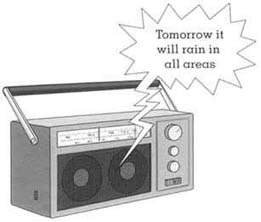
Figure
IS FINANCIAL PLANNING NECESSARY?
Some business people do not make financial plans. They do not think ahead to prevent problems. They do not know how their business will do in the future.
|
THINK ABOUT WHAT HAPPENED TO THESE BUSINESSES: · Super Cycle Shop sell and repair bicycles. They did not make a profit last year because their costs were too high. · The bank did not give The Hardware Store a loan when they applied for it. The bank wanted to know their expected sales, costs, profit and cash flow for next year but The Hardware Store could not provide those estimates. · Modern Furniture make furniture to order. They recently bought a typewriter for the office. Now they have no cash to buy raw materials. 1. What went wrong at Super Cycle
Shop? 2. How could financial plans have helped Super Cycle
Shop? 3. Did The Hardware Store get a loan from the
bank? 4. How could financial plans have helped The Hardware
Store 5. What has gone wrong at Modern
Furniture? 6. How could financial plans have helped Modern
Furniture? |
|
1. Super Cycle Shop did not make a profit because their costs were too high. 2. If Super Cycle Shop had made financial plans they would have thought about the future and known that their costs would be high. They could have done something about it before their business started to lose money. 3. No, The Hardware Store did not get a loan from the bank. 4. Financial plans would have helped The Hardware Store to show the bank manager what sales, costs and profit the business expects next year. The bank must know what profit a business is likely to have in the future before it can think about giving a loan. 5. Modern Furniture did not have enough cash to buy raw materials. 6. Financial plans would have helped Modern Furniture to know when they had enough cash to buy a typewriter. |
HOW PLANNING CAN IMPROVE YOUR BUSINESS
Here are four important reasons why you should make plans for your business:
· A plan shows you if your business can expect to make a profit in the future
Make a plan to ensure that the sales and costs your business is likely to have in the future will give you a profit.· A plan shows the bank how well your business can expect to do in the future
Make a plan to show to the bank when you apply for a loan.· A plan shows you what money you can expect to come in and go out of your business
Make a plan so that your business does not run out of cash.· A plan shows you which part of your business you can improve
Make a plan to force yourself to think about every part of your business. To work out a plan you have to think carefully about everything that affects your business.
USEFUL FINANCIAL PLANS
If your business is doing well, planning can help you to do even better in the future.
If your business is not doing well and has some problems, planning can help you to solve problems. A plan can help you to see problems before they happen. Then you can work out what to do to prevent the problems.
This chapter shows you how to make two kinds of plans that are useful for your business:
· A Sales and Costs Plan
This plan helps your business to make a profit. In a Sales and Costs Plan you make a forecast of your sales and costs for each month for the next year. A Sales and Costs Plan shows you how much profit you can expect to make next year.· A Cash Flow Plan
This plan helps you to make sure your business does not run out of cash at any time. Use a Cash Flow Plan to work out in advance how much cash will come in and go out of your business each month.
|
|
What plans do you make in your business? What plans do you need? |
Making financial plans
When you make plans for your business, remember:
· Keep them simple
Make your plans as simple as possible. Then they are easy to make and easy to use.· Make them suit your needs
Choose the most suitable period for your plans. You can make your plans for three months, one year or whatever period is best for your business.· Make them clear
Divide your plans into months. In your Record Book you divide your records into months. When you divide your plans into months, you can compare your records with your plans each month. Then you can see if your business is going as you worked out in your forecasts.· Make them in advance
Make your plans before you need to use them. Do not wait until one plan is finished before you begin the next plan.· Find facts
Look for information and use it to make your plans. For example, when you forecast the cost of materials or goods, ask your supplier about next year’s prices. Do not guess!
A Sales and Costs Plan
A Sales and Costs Plan shows you the sales, costs and profit your business is likely to have next year.
When to make a Sales and Costs Plan
Make a Sales and Costs Plan to meet the needs of your business. Many businesses make a Sales and Costs Plan every year. It is often a good idea to plan one year ahead for your business. If costs and prices for your products change, you may need to make a Sales and Costs Plan every six months.
Make your Sales and Costs Plan before you need to use it. Do not wait until the old plan is finished before you make your next plan.
HOW TO MAKE A SALES AND COSTS PLAN
To make a Sales and Costs Plan for your business:
|
A. |
1. Forecast indirect costs for each month of the next year |
| |
2. Forecast direct material costs per item |
| |
3. Forecast direct labour costs per item |
|
B. |
4. Forecast sales for each month of next year |
|
C. |
5. Calculate total direct material costs for each month of next year |
|
D. |
6. Calculate total direct labour costs for each month of next year |
|
|
7. Complete your Sales and Costs Plan. |
|
SALES AND COSTS PLAN |
Year ____ | |||||||||||||
| |
DETAILS |
JAN |
FEB |
MAR |
APR |
MAY |
JUNE |
JULY |
AUG |
SEP |
OCT |
NOV |
DEC |
TOTAL |
|
B |
Sales | | | | | | | | | | | | | |
|
C |
Direct material costs | | | | | | | | | | | | | |
| |
Value added |
| | |
| | |
| | |
| | |
|
|
D |
Direct labour costs |
| | |
| | |
| | |
| | |
|
|
A |
Indirect costs |
| | |
| | |
| | |
| | |
|
|
|
Net profit |
| | |
| | |
| | |
| | |
|
To make the forecasts for your Sales and Costs Plan, follow four steps:
Step 1. Get information about last year
To make a plan you need information about what happened in the past. You can get this information from your business records. For example, there is information about last year in your Record Book, invoices and receipts.Step 2. Analyse the past
Think carefully about what happened in your business last year. Were there ways you could have improved your sales or reduced your costs? Look at each part of your business and try to learn from the past. Work out ways to improve.Step 3. Get information about next year
Think of anything that will affect your sales or costs in the future. Get information about any changes in your sales or costs next year.Step 4. Make the forecast for next year
Use the information that you get from Steps 1, 2 and 3 to make your forecast for next year.
1. FORECAST INDIRECT COSTS
Businesses have many different kinds of indirect costs. Here are some examples:
· rent
· stationery
· indirect labour
· insurance
· depreciation
· transport
· electricity and water
· licences
· maintenance of equipment.
|
|
Read more about indirect costs in the COSTING chapter. |
Make a list of the different kinds of indirect costs you have in your business. For your Sales and Costs Plan, make a forecast for each different indirect cost.
|
|
Make sure that you include all the indirect costs for your business in the forecast of indirect costs. It takes some time to work it out but it is necessary. |
Use the four steps to forecast all the different kinds of indirect costs for your business next year. For example, look at indirect labour costs.
Indirect labour costs
Indirect labour costs are the wages or salaries your business pays to employees who are not working in production. For example, office clerks, messengers and typists.
Use the four steps to make a forecast of the indirect labour costs for your business next year.
Step 1. Get information about last year
Use your records to find the amount you spent each month on wages and benefits for people you employ who are not working in production.Step 2. Analyse the past
Think about how much your business spent on indirect labour last year. Can you reduce this amount? Here are some questions to ask yourself:
· How many employees did I have last year who were not working in production?
· Do I need them all?
Step 3. Get information about next year
What will happen to your indirect labour costs next year? Here are some questions to ask yourself:
· Will I need as many employees who do not work in production next year?
· Will I need more employees?
· Should I increase wages? When and by how much?
Step 4. Make the forecast for next year
Use all information about indirect labour costs from Steps 1, 2 and 3. Make a forecast of the amount you will spend on indirect labour each month next year.
|
|
If you have done costing, use information from the Labour Costs Form to plan your indirect labour costs. |
This is how the shoemaking business, Top Footwear, make their forecast for indirect labour costs next year:
Step 1. Get information about last year
Last year Top Footwear paid their one office clerk 480 NU per month.Step 2. Analyse the past
Their business needed one employee to do office work and answer the phone.Step 3. Get information about next year
Top Footwear will still need one clerk next year. They will increase the wage to 530 NU in May.Step 4. Make the forecast for next year
Top Footwear’s forecast for indirect labour costs next year looks like this:

Figure
|
1. FORECAST OF INDIRECT COSTS |
Year: 2002 | ||||||||||||
|
DETAILS |
JAN |
FEB |
MAR |
APR |
MAY |
JUNE |
JULY |
AUG |
SEPT |
OCT |
NOV |
DEC |
TOTAL |
|
Indirect labour |
480 |
480 |
480 |
480 |
530 |
530 |
530 |
530 |
530 |
530 |
530 |
530 |
6160 |
| | | | | | | | | | | | | | |
| | |
| | |
| | |
| | |
| | |
Analyse each type of indirect cost your business has. Make a forecast of how much each indirect cost is likely to be each month next year.
|
|
Use your records to see how much you spent on each indirect cost last year. Then think of ways to reduce those costs next year. |
When Top Footwear has analysed all the different kinds of indirect costs the business has, their forecast for indirect costs looks like this:
Figure
|
1. FORECAST OF INDIRECT COSTS |
Year: 2002 | ||||||||||||
|
DETAILS |
JAN |
FEB |
MAR |
APR |
MAY |
JUNE |
JULY |
AUG |
SEPT |
OCT |
NOV |
DEC |
TOTAL |
|
Indirect labour |
480 |
480 |
480 |
480 |
530 |
530 |
530 |
530 |
530 |
530 |
530 |
530 |
6160 |
|
Rent |
360 |
360 |
360 |
400 |
400 |
400 |
400 |
400 |
400 |
400 |
400 |
400 |
4680 |
|
Electricity |
150 |
150 |
150 |
150 |
150 |
165 |
165 |
165 |
165 |
165 |
165 |
165 |
1905 |
|
Water |
60 |
60 |
60 |
60 |
60 |
60 |
60 |
60 |
60 |
60 |
60 |
60 |
720 |
|
Stationery |
35 |
35 |
35 |
35 |
35 |
35 |
35 |
35 |
35 |
35 |
35 |
35 |
420 |
|
Transport |
130 |
130 |
130 |
130 |
130 |
130 |
160 |
160 |
160 |
160 |
160 |
160 |
1740 |
|
TOTAL |
1215 |
1215 |
1215 |
1255 |
1305 |
1320 |
1350 |
1350 |
1350 |
1350 |
1350 |
1350 |
15625 |
Top Footwear add up all the monthly forecasts to get a total forecast of indirect costs for next year. Top Footwear’s forecast of total indirect costs for next year is 15625 NU.
|
|
Do you know the amount of indirect costs in your business? |
|
1. Here is information for Beauty Hair Salon. Make a forecast of their indirect costs for next year on the blank form below. · Rent last year was 300 Nil per month. · In January Beauty Hair Salon will put in another basin. It will increase water use by 5 NU per month next year. |
|
1. FORECAST OF INDIRECT COSTS |
Year: 2002 | ||||||||||||
|
DETAILS |
JAN |
FEB |
MAR |
APR |
MAY |
JUNE |
JULY |
AUG |
SEPT |
OCT |
NOV |
DEC |
TOTAL |
| |
| | |
| | |
| | |
| | |
|
|
| | |
| | |
| | |
| | |
| |
| | |
| | |
| | |
| | |
| | |
| |
| | |
| | |
| | |
| | |
|
|
| | |
| | |
| | |
| | |
| |
| | |
| | |
| | |
| | |
| | |
|
2. What is the forecast of total indirect costs for Beauty Hair Salon next year? |
|
1. Here is the forecast of indirect costs for Beauty Hair Salon next year: |
|
1. FORECAST OF INDIRECT COSTS | |||||||||||||
|
DETAILS |
JAN |
FEB |
MAR |
APR |
MAY |
JUNE |
JULY |
AUG |
SEPT |
OCT |
NOV |
DEC |
TOTAL |
|
Rent |
300 |
300 |
300 |
315 |
315 |
315 |
315 |
315 |
315 |
315 |
315 |
315 |
3735 |
|
Electricity |
100 |
100 |
100 |
100 |
120 |
120 |
120 |
120 |
120 |
120 |
120 |
120 |
1360 |
|
Water |
23 |
23 |
23 |
23 |
23 |
23 |
23 |
23 |
23 |
23 |
23 |
23 |
276 |
|
Stationery |
20 |
20 |
20 |
20 |
20 |
20 |
20 |
20 |
20 |
20 |
20 |
20 |
240 |
|
TOTAL |
443 |
443 |
443 |
458 |
478 |
478 |
478 |
478 |
478 |
478 |
478 |
478 |
5611 |
|
2. The forecast of total indirect costs for Beauty Hair Salon next year is 5617 NU. To get the forecast of total indirect costs add up all the monthly totals. |
2. FORECAST DIRECT MATERIAL COSTS PER ITEM
· If you are a manufacturer or a service operator, direct material costs are what your business pays for the raw materials to make the products or services you sell. A manufacturer or service operator forecasts the direct material costs per item for each product made by the business.· If you are a retailer or wholesaler, direct material costs are what your business pays for the products you buy to resell. A retailer forecasts the direct material costs per item for each product the business sells.
|
|
Read more about direct material costs in the COSTING chapter. |
To make a forecast of direct material costs for your business, use the four steps. It takes some time to work out a forecast of direct material costs for each product you sell but it is necessary.
Step 1. Get information about last year
Use your records to get the amount your business spent on direct material costs last year. Top Footwear make different shoe models. They work out the direct material costs for every model they made last year. This is how they work out the direct material costs for men’s leather shoes:
· The cost of leather for one pair is 15.00 NU.
· Top Footwear buy the rubber soles ready-made for 7.00 NU per pair.
· The shoe laces cost 0.50 NU.
Figure
|
Direct material costs for one pair of men’s leather shoes last year | |
|
Leather |
15.00 |
|
Rubber soles |
7.00 |
|
Shoe laces |
0.50 |
|
Total |
22.50 |
Step 2. Analyse the past
Think about direct material costs for your business. Here are some questions to ask yourself:
· Did I waste materials?
· Did I get the lowest possible price for the appropriate quality of materials?
· Did I get discounts?
· Did I find the best supplier?
Step 3. Get information about next year
Find out what will happen to your direct material costs next year. Ask your suppliers about price increases and discounts. Check with other suppliers to see if they offer better terms. What can you do to reduce direct material costs per item next year? Here are some questions to ask yourself:
· Can I buy in bulk to reduce costs?
· Can I use cheaper materials?
· Can I get discounts for materials?
Step 4. Make the forecast for next year
Use the information in Steps 1, 2 and 3. Make a forecast of the direct material costs for next year for one item of each product. You must forecast the direct material costs per item for every product you sell in your business.
This is how Top Footwear make their forecast of direct material costs for men’s leather shoes:
· The cost of leather was 15.00 NU per pair last year. It will go up to 17.00 NU per pair next year.· The cost of rubber soles will go up from 7.00 NU to 7.50 NU.
· Shoe laces will still cost 0.50 NU next year.
|
FORECAST | |
|
Direct material costs for one pair of men’s leather shoes | |
|
Leather |
17.00 |
|
Rubber soles |
7.50 |
|
Shoe laces |
0.50 |
|
Total |
25.00 |
Retailers and wholesalers sell many products. Their forecast of direct material costs per item may be very long. But a business must know their direct costs for all their goods to find out how well they can expect to do in the future.
3. FORECAST DIRECT LABOUR COSTS PER ITEM
· If you are a manufacturer or service operator, direct labour costs are what your business pays to employees who work to make the products or services you sell. A manufacturer or service operator forecasts the direct labour costs per item for each product or service.· If you are a retailer or wholesaler, you do not have direct labour costs. You write all your labour costs under indirect costs.
|
|
Read more about direct labour costs in the COSTING chapter. |
To make a forecast of direct labour costs for your business use the four steps.
Figure
Step 1. Get information about last year
Use your records to work out the amount of direct labour costs for each product last year. This is how Top Footwear work out the direct labour costs for one pair of men’s leather shoes last year:
· It takes two hours to make one pair of leather shoes at Top Footwear.
· Last year they paid their employees 24.00 NU a day which is 3.00 NU an hour.
· Last year the direct labour costs for one pair of leather shoes were 6.00 NU:
|
2 hours |
X |
3.00 NU |
= |
6.00 NU |
Step 2. Analyse the past
Think about the direct labour costs for your business last year. Can you reduce them? Here are some questions to ask yourself:
· Did my employees take too long to make one item?
· Were the employees working in production fully occupied?
Step 3. Get information about next year
Find out if wages will increase next year. What can you do to reduce labour costs per item next year? Here are some questions to ask yourself:
· Can I reduce the time it takes to make one item?
· Will I increase wages next year?
· Will I give a bonus next year?
Step 4. Make the forecast for next year
Use the information in Steps 1, 2 and 3. Make a forecast of the direct labour costs per item for next year for each product.
This is how Top Footwear make the forecast of direct labour costs for next year:
· Wages will go up to 28.00 NU a day next year which is 3.50 NU per hour.· The direct labour cost for one pair of men’s leather shoes will increase to 7.00 NU next year:
|
2 hours |
X |
3.50 NU |
= |
7.00 NU |
4. FORECAST SALES
Forecasting your sales is the most important part of making a Sales and Costs Plan. Your sales bring in the money. Without good sales there can be no profit. Make a sales forecast of how many of each product or service you are likely to sell for each month.
To make your sales forecast follow the four steps.
Step 1. Get information about last year
Use your records to find out how many items of each product you sold each month last year.
Take the number of each product or service sold each month and multiply it by its selling price. Get the total sales amount for each month by adding up the totals for all your products.
Step 2. Analyse the past
Think carefully about your marketing last year. Remember the four Ps of marketing: Product, Price, Place and Promotion.
Look at each P one by one and try to think of ways to improve your sales. Here are some questions to ask yourself when you analyse your amounts:
|
· Product |
Did you sell the products or services your customers wanted? Which products sold well? Why? Which products did not sell? Why? |
| | |
|
· Price |
How did you set your prices last year? Were your customers willing to pay the prices you set? Were your prices high enough to give your business a profit? |
| | |
|
· Place |
Is your business in a good place? Did you sell your products or services direct to your customers? Did you sell to retailers or wholesalers? Did this increase your sales? |
| | |
|
· Promotion |
How did you promote your products or services last year? Did you use advertising and sales promotion? Did you get any publicity? Did you improve your skills as a salesperson? Which type of promotion gave the highest sales and best profit for your business? |
|
|
The MARKETING chapter tells you more about how to understand and satisfy your customers and how to increase your sales. |
Step 3. Get information about next year
Think about your marketing. How can you increase your sales next year? Good marketing improves your sales. Here are some questions to ask yourself:
|
· Product |
What products or services do your customers want? Can you sell some new services or products? How can you improve the quality, the designs and customer service? |
| | |
|
· Price |
Do you need to increase your prices? How can you change your prices to increase sales next year? Can you give discounts or special offers to make your prices more attractive? |
| |
|
|
· Place |
Is there another way to sell your goods or services? Can you find a better place to sell your goods or services? What is the best kind of distribution for your business? |
| |
|
|
· Promotion |
Which is the best way to promote your products or services next year? Is it advertising, sales promotion or something else? What can you do to make people talk well about your business? Can you improve your skills as a salesperson? |
Step 4. Make the forecast for the next year
Use the information from Steps 1, 2 and 3. Make a forecast of sales for each month of next year.
This is how Top Footwear makes a forecast of the total sales for men’s leather shoes in January:
· They will sell each pair for 40.00 NU next year.
· They expect sales to go up to 75 pairs in January.
· Their forecast of total sales for men’s leather shoes in January next year is 3000.00 NU:
Figure
|
40.00 NU |
X |
75 pairs |
= |
3000.00 NU |
Here is Top Footwear’s forecast of total sales for next year:
|
4. FORECAST OF TOTAL SALES |
Year: 2002 | ||||||||||||
|
DETAILS |
JAN |
FEB |
MAR |
APR |
MAY |
JUNE |
JULY |
AUG |
SEPT |
OCT |
NOV |
DEC |
TOTAL |
|
Men’s leather shoes |
3000 |
3000 |
3000 |
3000 |
3000 |
3200 |
3200 |
3500 |
3500 |
3500 |
3500 |
3500 |
38900 |
|
Women’s leather shoes |
2500 |
2500 |
2500 |
2500 |
2500 |
2800 |
2800 |
3000 |
3000 |
3000 |
3500 |
3500 |
34100 |
|
Canvas shoes |
2000 |
2000 |
2000 |
2500 |
2500 |
2500 |
2500 |
2000 |
2000 |
2000 |
2000 |
2000 |
26000 |
|
TOTAL |
7500 |
7500 |
7500 |
8000 |
8000 |
8500 |
8500 |
8500 |
8500 |
8500 |
9000 |
9000 |
99000 |
5. CALCULATE TOTAL DIRECT MATERIAL COSTS
Now work out the total direct material costs for each month next year for all the products, goods or services your business sells.
· Get the amounts you have worked out in your forecast of direct material costs per item.· Multiply these amounts by the number of each product you forecast your business is likely to sell each month next year. Get the numbers from your forecast of sales.
Here is Top Footwear’s forecast of direct material costs for men’s leather shoes in January:
|
Forecast direct |
x |
Forecast sales |
= |
Forecast total direct |
|
25.00 NU |
|
75 pairs |
|
1875 NU |
· Add up the forecasts for direct material costs per month for each product to get the total direct material costs per month.
Here is the forecast of total direct material costs for Top Footwear next year:
|
5. FORECAST OF TOTAL DIRECT MATERIAL COSTS |
Year: 2002 | ||||||||||||
|
DETAILS |
JAN |
FEB |
MAR |
APR |
MAY |
JUNE |
JULY |
AUG |
SEPT |
OCT |
NOV |
DEC |
TOTAL |
|
Men’s leather shoes |
1875 |
1875 |
1875 |
1875 |
1875 |
2000 |
2000 |
2200 |
2200 |
2200 |
2200 |
2200 |
24375 |
|
Women’s leather shoes |
1600 |
1600 |
1600 |
1600 |
1600 |
1700 |
1700 |
1900 |
1900 |
1900 |
1900 |
2200 |
21200 |
|
Canvas shoes |
1200 |
1200 |
1400 |
1600 |
1600 |
1600 |
1600 |
1200 |
1200 |
1200 |
1200 |
1200 |
16200 |
|
TOTAL |
4675 |
4675 |
4875 |
5075 |
5075 |
5300 |
5300 |
5300 |
5300 |
5300 |
5300 |
5600 |
61775 |
6. CALCULATE TOTAL DIRECT LABOUR COSTS
|
Retailers and wholesalers do not have direct labour costs so they do not have to do this calculation. They write all their labour costs under indirect costs. |
If you are a manufacturer or service operator, work out the total direct labour costs for each month of the year.
· Get the amounts you have worked out in your forecast of direct labour costs per item.
· Multiply these amounts by the number of each product you forecast your business is likely to sell each month next year. Get the numbers from your forecast of sales.
Figure
Here is Top Footwear’s forecast of direct labour costs for men’s leather shoes in January:
|
Forecast direct |
x |
Forecast sales |
= |
Forecast total direct |
|
7.00 NU |
|
75 pairs |
|
525 NU |
· Add up the forecasts for direct labour costs per month for each product to get the total direct labour costs per month.
Here is the forecast of total direct labour costs for Top Footwear next year:
|
6. FORECAST OF TOTAL DIRECT LABOUR COSTS |
Year: 2002 | ||||||||||||
|
DETAILS |
JAN |
FEB |
MAR |
APR |
MAY |
JUNE |
JULY |
AUG |
SEPT |
OCT |
NOV |
DEC |
TOTAL |
|
Men’s leather shoes |
525 |
525 |
525 |
525 |
525 |
560 |
560 |
620 |
620 |
620 |
620 |
620 |
6845 |
|
Women’s leather shoes |
450 |
450 |
450 |
450 |
450 |
480 |
480 |
530 |
530 |
530 |
530 |
620 |
5950 |
|
Canvas shoes |
330 |
330 |
450 |
450 |
450 |
450 |
450 |
330 |
330 |
330 |
330 |
330 |
4560 |
|
TOTAL |
1305 |
1305 |
1425 |
1425 |
1425 |
1490 |
1490 |
1480 |
1480 |
1480 |
1480 |
1570 |
17355 |
7. COMPLETE YOUR SALES AND COSTS PLAN
Now that you have made the forecasts you can fill in your Sales and Costs Plan. Use these forecasts to calculate what the value added and net profit are likely to be for your business next year.
This is Top Footwear’s Sales and Costs Plan:
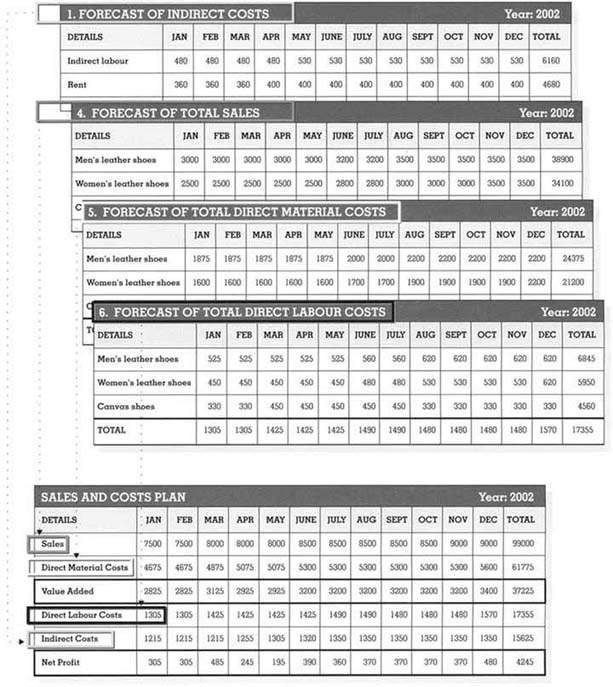
Figure
Top Footwear’s Sales and Costs Plan shows them that their business can expect to make a net profit each month next year.
|
|
Remember, if you are a retailer or wholesaler you do not have any direct labour costs. Include all your labour costs under indirect costs. Do not write anything on the line for Direct Labour Costs in your Sales and Costs Plan. |
When you have worked out the forecast net profit or loss you have completed your Sales and Costs Plan for next year. The plan must show that your business can expect to make a profit. The forecast profit must be high enough to allow for something to go wrong or for problems to happen. Your business must have enough money to cope with problems you do not expect. For example:
· your sales might be lower than expected
· a machine might break down
· you might run out of materials.
USE YOUR SALES AND COSTS PLAN TO IMPROVE YOUR BUSINESS
At the end of each month, compare the amounts you forecast in your Sales and Costs Plan with the amounts you have in your Record Book. Use your Sales and Costs Plan to check if your business is doing as well as you expected:
· Are your sales for the month as high as the sales you forecast? If not, find out why your sales are lower that you expected.· Are your costs for the month higher than the costs you forecast? If your costs are higher find out why.
· Is your profit for the month lower than the profit you forecast? Look for reasons why your profit is not as high as you expected.
Figure
Look at how Top Footwear use their Sales and Costs Plan:
1. Compare each month and look for differences
In February, Top Footwear did not make as much profit as they forecast.2. Find out why there are differences
They see from the Record Book that one machine broke down. They could not make enough products to meet their orders. The repair of the machine was an extra cost.3. Work out what to do
They must maintain the machine better so it does not break down. Then they can meet all their orders.
A Cash Flow Plan
A Cash Flow Plan is a forecast which shows how much cash you expect to come in and to go out of your business each month. A Cash Flow Plan helps you make sure that your business does not run out of cash at any time.
Does your business run out of cash?
Use your Cash Flow Plan to make sure that your business always has enough cash to pay for your costs. There are many reasons why your business may run out of cash. For example:
· You have to buy goods or raw materials before you sell anything. This means that cash goes out before cash comes in.· If you give credit to your customers you do not get paid immediately. You often have to buy more goods or materials before these credit customers pay you.
· You need cash to buy equipment. The equipment will help the business to make a profit in the future. But you usually have to pay cash for the equipment now, before you have earned that profit.
When you plan your cash flow:
· you get a warning in advance about future cash shortages
· you have more control over the flow of cash
· you can solve problems before they happen
· you can have cash ready when you need it.
|
|
Does your business ever run out of cash? Do you know why? |
HOW TO MAKE A CASH FLOW PLAN
To make a Cash Flow Plan you forecast:
· how much cash will come in to your business each month
· how much cash will go out of your business each month.
Top Footwear plan their cash flow. On the following page is their Cash Flow Plan for the next three months.
|
CASH FLOW PLAN |
Jan |
Feb |
Mar |
|
CASH IN | |||
|
1 Cash at the start of the month |
2000 |
2835 |
3670 |
|
2 Cash in from sales |
7680 |
7680 |
7780 |
|
3 Any other cash in |
- |
- |
- |
|
4 TOTAL CASH IN |
9680 |
10515 |
11450 |
|
CASH OUT | |||
|
5 Cash out for direct material costs |
4730 |
4730 |
4800 |
|
6 Cash out for direct labour costs |
900 |
900 |
900 |
|
7 Cash out for indirect costs |
1215 |
1215 |
1215 |
|
8 Cash out for planned investment in equipment |
- |
- |
- |
|
9 Any other cash out |
- |
- |
- |
|
10 TOTAL CASH OUT |
6845 |
6845 |
6915 |
|
11 CASH AT THE END OF THE MONTH |
2835 |
3670 |
4535 |
To make your Cash Flow Plan, follow the 11 steps in the plan. Steps 1 - 4 are for cash in. Steps 5 - 10 are for cash out. Look at each step for the first month, January.
|
Step 1. |
Cash at the start of the month |
| |
This is the amount of cash you expect to have in the cash box plus the amount of cash in your bank account at the beginning of January. Write this total amount on line number 1 on your Cash Flow Plan. |
| | |
|
Step 2. |
Cash in from sales |
| |
Look at your Sales and Costs Plan. Find the forecast you made for cash sales for January. Remember that cash in from previous credit sales is part of this amount. Write this amount on line number 2 on your Cash Flow Plan. |
| |
|
|
Step 3. |
Any other cash in |
| |
This is the amount of cash you forecast your business will get during January from any other source such as a loan from a bank or interest from your bank account. Write the total amount on line number 3 on your Cash Flow Plan. |
|
| |
|
Step 4. |
TOTAL CASH IN |
| |
Add up all the cash in amounts from Steps 1, 2 and 3. This is the total cash amount you expect to come in to your business in January. Write the amount on line number 4. |
| |
|
|
Step 5. |
Cash out for direct material costs |
| |
This is the amount of cash you forecast your business will pay out in January to buy goods and materials. Use your Sales and Costs Plan. Write the amount you forecast for direct material costs for January on line number 5. |
| |
|
|
Step 6. |
Cash out for direct labour costs |
| |
This is the amount of cash you forecast your business can expect to pay out in January to pay wages and benefits for employees working in production. Use your Sales and Costs Plan. Find the amount you forecast for direct labour costs for January and write it on line number 6 on your Cash Flow Plan. Remember that retailers and wholesalers do not have direct labour costs. They leave line number 6 blank. |
| |
|
|
Step 7. |
Cash out for indirect costs |
| |
This is the amount of cash you forecast your business will pay out in January for indirect costs such as rent, insurance, electricity, transport, indirect labour and stationery. Look at your Sales and Costs Plan. Find the amount you forecast for indirect costs for January. Write this amount on line number 7 on your Cash Flow Plan. |
| | |
|
Step 8. |
Cash out for planned investment in equipment |
| |
Will you buy any equipment during January? Write the amount you will pay for the equipment on line number 8. |
| | |
|
Step 9. |
Any other cash out |
| |
This is any other amount of cash you forecast your business will pay out during January, such as a loan repayment. Write this amount on line number 9 on your Cash Flow Plan. |
| |
|
|
Step 10. |
TOTAL CASH OUT |
| |
Add up all the cash out amounts from Steps 5, 6, 7, 8 and 9. This is the cash amount that you expect to go out of your business during January. Write the amount on line number 10. |
| | |
|
Step 11. |
CASH AT THE END OF THE MONTH |
| |
Subtract the total cash out from the total cash in to get the amount left in your cash box and bank account at the end of January. Cash at the end of the month is cash at the start of the next month. Write the amount on line number 11. |
|
Total cash in |
- |
Total cash out |
= |
Cash left |
|
9680 NU |
|
6845 NU |
|
2835 NU |
Top Footwear’s Cash Flow Plan shows that at the end of January next year they expect to have:
When you have filled in the amounts for cash in and out for each month, your Cash Flow Plan shows how much cash your business expects to have at the end of each month.
USE YOUR CASH FLOW PLAN TO IMPROVE YOUR BUSINESS
Use your Cash Flow Plan to make sure that your business has enough cash all the time. If the plan shows that there is no cash in your business at the end of a month, you are likely to run out of cash that month. Look at the amounts you expect to get in and pay out during that month and think about how you can solve the problem.
If your Cash Flow Plan shows that your business is likely to run out of cash during one month, think about these questions:
· Can you increase cash in from sales during that month?
· Are you giving too much credit?
· If you sell on credit, do your credit customers pay on time?
· Can you give less credit or give credit for a shorter period?
· Do you have to give credit at all?
· Can you reduce your direct material costs for the month?
· Can you buy less expensive goods or materials?
· Can you reduce waste of materials?
· If you buy on credit, can your supplier give you more time to pay?
· Can you reduce any of your indirect costs, for example, costs for telephone or electricity?
· Can the bank extend your loan period or reduce the amount you have to pay each month?
· Is it necessary to buy the new equipment immediately?
· Can you buy equipment on credit or get a loan?
How often should you make a Cash Flow Plan?
You can make your Cash Flow Plan for three months or for a longer or shorter period if it suits your business.
Make a new Cash Flow Plan before the old one runs out. Then your business can always see how much cash is likely to come in and go out, and you can make decisions about cash.
|
Sunshine Restaurant made a Cash Flow Plan for their business. The plan showed that they will run out of cash in May. |
|
CASH FLOW PLAN |
April |
May |
June |
|
CASH IN | |||
|
1 Cash at the start of the month |
2000 |
1300 |
-500 |
|
2 Cash in from sales |
4000 |
4000 | |
|
3 Any other cash in |
- |
- | |
|
4 TOTAL CASH IN |
6000 |
5300 |
|
|
CASH OUT | |||
|
5 Cash out for direct material costs |
3200 |
3200 | |
|
6 Cash out for direct labour costs |
800 |
800 | |
|
7 Cash out for indirect costs |
700 |
800 | |
|
8 Cash out for planned investment in equipment |
- |
1000 | |
|
9 Any other cash out |
- |
- | |
|
10 TOTAL CASH OUT |
4700 |
5800 |
|
|
11 CASH AT THE END OF THE MONTH |
1300 |
-500 |
|
|
1. Which three amounts of cash out are larger in May than
April for Sunshine
Restaurant? 2. Why do you think the amount for Step 8 is larger for
May? 3. What advice can you give Sunshine Restaurant to help them
improve their cash flow in
May? 4. How does the Cash Flow Plan help Sunshine
Restaurant? |
|
1. Cash out for indirect costs, planned investment in equipment and the amount for total cash out are larger for Sunshine Restaurant in May. 2. The amount for Step 8 is larger for May because Sunshine Restaurant plan to buy some new equipment. 3. Sunshine Restaurant should not plan to buy the new equipment in May. They should try to buy the equipment when the business will have enough cash. 4. The Cash Flow Plan helps Sunshine Restaurant by showing them before they reach May that they will have no cash left at the end of the month if they buy the equipment. They can plan when it will be better to buy the new equipment. |
Review
Summary
Planning means thinking and working out what to do about something before it happens. For your business, planning means thinking about and working out what to do in the future to improve your business.
Four important reasons to make a plan for your business are:
· A plan shows you if your business can expect to make a profit in the future.
· A plan shows the bank how well your business can expect to do in the future.
· A plan shows you what money you can expect to come in and go out of your business.
· A plan shows you which part of your business you can improve.
A forecast tells you what is likely to happen in the future.
To make a forecast, follow four steps:
Step 1. Get information about the past
Step 2. Analyse the past
Step 3. Get information about next year
Step 4. Make the forecast for next year.
A Sales and Costs Plan helps your business to make a profit. It shows you the costs, sales and profit your business is likely to have next year.
To make a Sales and Costs Plan for your business:
1. Forecast indirect costs for each month of next year
2. Forecast direct material costs per item
3. Forecast direct labour costs per item
4. Forecast sales for each month of next year
5. Calculate total direct material costs for each month of next year
6. Calculate total direct labour costs for each month of next year
7. Complete your Sales and Costs Plan.
Use your Sales and Costs Plan to improve your business. At the end of each month:
1. Compare your Sales and Costs Plan with your records and look for differences
2. Find out why there are differences
3. Work out what to do.
A Cash Flow Plan is a forecast which shows you how much cash you expect to come in and go out of your business each month. The Cash Flow Plan helps you make sure that your business does not run out of cash at any time.
To make a Cash Flow Plan, forecast cash in and cash out of your business each month. Use your Sales and Costs Plan to forecast the amounts.
To make a Cash Flow Plan follow these steps:
Step 1. Cash at the start of the month
Step 2. Cash in from sales
Step 3. Any other cash in
Step 4. Total cash in
Step 5. Cash out for direct materials costs
Step 6. Cash out for direct labour costs
Step 7. Cash out for indirect costs
Step 8. Cash out for planned investment in equipment
Step 9. Any other cash out
Step 10. Total cash out
Step 11. Cash at the end of the month.
Use your Cash Flow Plan to see if your business is likely to have cash at the end of every month. Check every month to see if the amount of cash you have in your business is the same as the amount you forecast in your plan.
What did you learn in this chapter?
Now that you have worked through this chapter, try these practical exercises. The exercises will remind you of what you have learned and help you to improve the financial planning in your business.
Compare your answers with the Answers. If you find it difficult to work out an answer, read the relevant part of the manual again. The best way to learn is to finish an exercise before you look at the answers. Check the list of Useful Business Words.
|
|
You have learned more about financial planning in this chapter. But what you have learned does not help you until you use the new knowledge in the day-to-day running of your business. Remember to do the Action Plan to improve the financial planning in your business. |
|
PLANNING AT BOLTON CARPENTRY Mr Bolton works alone at his carpentry shop where he makes tables and chairs. He is now planning for next year. He now has all the information he needs. Use the information below to help Mr Bolton complete a Sales and Costs Plan for January 2002. · Last year Bolton Carpentry paid 140 Nil per month for rent. The landlord says that the rent will go up by TO NU per month at the beginning of next year. · Bolton Carpentry paid 50 NU per month for electricity last year. There will be no increase in costs next year. Mr Bolton thinks he will use the same amount of electricity next year. · Transport cost 40 NU per month last year. Mr Bolton thinks he can reduce this cost through better planning to 32 NU per month next year. · Bolton Carpentry spent 25 NU per month to maintain the machines last year. Some machines are old and will need more maintenance next year. Mr Bolton thinks that the cost of maintaining his machines next year will be 40 NU per month. · The cost of materials to make one chair was 9 NU last year. The supplier told Mr Bolton that next year the cost will go up to 10 NU. · The cost of materials to make one table was 20 NU last year. The supplier said the cost will go up by 2 NU next year. Mr Bolton thinks he can save 1 NU per table by reducing waste. · Mr Bolton takes 4 hours to make one chair. · It takes 8 hours for Mr Bolton to make one table. · Mr Bolton will pay himself 5 NU per worked hour next year. · Bolton Carpentry normally sell 20 chairs and 10 tables per month. · A chair sold for 40 NU last year. After checking his competitors’ prices, Mr Bolton has decided to keep this price next year. · Mr Bolton sold each table for 60 NU last year. But from doing market research he found out that customers are willing to pay 80 NU next year. |
|
1. FORECAST OF INDIRECT COSTS |
Year: _____ | ||||||||||||
|
DETAILS |
JAN |
FEB |
MAR |
APR |
MAY |
JUNE |
JULY |
AUG |
SEPT |
OCT |
NOV |
DEC |
TOTAL |
|
Rent |
| | |
| | |
| | |
| | |
|
|
Electricity |
| | |
| | |
| | |
| | |
|
|
Transport |
| | |
| | |
| | |
| | |
|
|
Machine maintenance | | | | | | | | | | | | | |
|
TOTAL |
| | |
| | |
| | |
| | |
|
|
2. FORECAST OF DIRECT MATERIAL COSTS PER ITEM | |
|
DETAILS |
AMOUNT |
|
Chair |
|
|
Table |
|
|
3. FORECAST OF DIRECT LABOUR COSTS PER ITEM | |
|
DETAILS |
AMOUNT |
|
Chair |
|
|
Table |
|
|
4. FORECAST OF TOTAL SALES |
Year: _____ | ||||||||||||
|
DETAILS |
JAN |
FEB |
MAR |
APR |
MAY |
JUNE |
JULY |
AUG |
SEPT |
OCT |
NOV |
DEC |
TOTAL |
|
Chairs |
| | |
| | |
| | |
| | |
|
|
Tables |
| | |
| | |
| | |
| | |
|
|
TOTAL |
| | |
| | |
| | |
| | |
|
|
Use your forecasts to make forecasts of total direct material costs and total direct labour costs. |
|
5. FORECAST OF TOTAL DIRECT MATERIAL COSTS |
Year: _____ | ||||||||||||
|
DETAILS |
JAN |
FEB |
MAR |
APR |
MAY |
JUNE |
JULY |
AUG |
SEPT |
OCT |
NOV |
DEC |
TOTAL |
|
Chairs |
| | |
| | |
| | |
| | |
|
|
Tables |
| | |
| | |
| | |
| | |
|
|
TOTAL |
| | |
| | |
| | |
| | |
|
|
6. FORECAST OF TOTAL DIRECT LABOUR COSTS |
Year: _____ | ||||||||||||
|
DETAILS |
JAN |
FEB |
MAR |
APR |
MAY |
JUNE |
JULY |
AUG |
SEPT |
OCT |
NOV |
DEC |
TOTAL |
|
Chairs |
| | |
| | |
| | |
| | |
|
|
Tables |
| | |
| | |
| | |
| | |
|
|
TOTAL |
| | |
| | |
| | |
| | |
|
|
Here is the blank Sales and Costs Plan for Bolton Carpentry. Help Mr Bolton to work out the value added and net profit he is likely to get in January 2002. |
|
SALES AND COSTS PLAN |
Year: _____ | ||||||||||||
|
DETAILS |
JAN |
FEB |
MAR |
APR |
MAY |
JUNE |
JULY |
AUG |
SEPT |
OCT |
NOV |
DEC |
TOTAL |
|
Sales |
| | |
| | |
| | |
| | |
|
|
Direct material costs | | | | | | | | | | | | | |
|
Value added |
| | |
| | |
| | |
| | |
|
|
Direct labour costs | | | | | | | | | | | | | |
|
Indirect costs | | | | | | | | | | | | | |
|
Net Profit |
| | |
| | |
| | |
| | |
|
|
In January 2002 Bolton Carpentry’s · value added is likely to be ______ NU · net profit is likely to be ______ NU |
|
Here are the forecasts for Bolton Carpentry for January 2002: |
|
1. FORECAST OF INDIRECT COSTS |
Year: 2002 | ||||||||||||
|
DETAILS |
JAN |
FEB |
MAR |
APR |
MAY |
JUNE |
JULY |
AUG |
SEPT |
OCT |
NOV |
DEC |
TOTAL |
|
Rent |
150 | | | | | | | | | | | | |
|
Electricity |
50 | | | | | | | | | | | | |
|
Transport |
32 | | | | | | | | | | | | |
|
Machine maintenance |
40 | | | | | | | | | | | | |
|
TOTAL |
272 | | | | | | | | | | | | |
|
2. FORECAST OF DIRECT MATERIAL COSTS PER ITEM | |
|
DETAILS |
AMOUNT |
|
Chair |
10 |
|
Table |
21 |
|
3. FORECAST OF DIRECT LABOUR COSTS PER ITEM | |
|
DETAILS |
AMOUNT |
|
Chair |
20 |
|
Table |
40 |
|
4. FORECAST OF TOTAL SALES |
Year: 2002 | ||||||||||||
|
DETAILS |
JAN |
FEB |
MAR |
APR |
MAY |
JUNE |
JULY |
AUG |
SEPT |
OCT |
NOV |
DEC |
TOTAL |
|
Chairs |
800 | | | | | | | | | | | | |
|
Tables |
800 | | | | | | | | | | | | |
|
TOTAL |
1600 | | | | | | | | | | | | |
|
5. FORECAST OF TOTAL DIRECT MATERIAL COSTS |
Year: 2002 | ||||||||||||
|
DETAILS |
JAN |
FEB |
MAR |
APR |
MAY |
JUNE |
JULY |
AUG |
SEPT |
OCT |
NOV |
DEC |
TOTAL |
|
Chairs |
200 | | | | | | | | | | | | |
|
Tables |
210 | | | | | | | | | | | | |
|
TOTAL |
410 | | | | | | | | | | | | |
|
6. FORECAST OF TOTAL DIRECT LABOUR COSTS |
Year: 2002 | ||||||||||||
|
DETAILS |
JAN |
FEB |
MAR |
APR |
MAY |
JUNE |
JULY |
AUG |
SEPT |
OCT |
NOV |
DEC |
TOTAL |
|
Chairs |
400 | | | | | | | | | | | | |
|
Tables |
400 | | | | | | | | | | | | |
|
TOTAL |
800 | | | | | | | | | | | | |
|
Here is Bolton Carpentry’s completed Sales and Costs Plan for January 2002: |
|
SALES AND COSTS PLAN |
Year: 2002 | ||||||||||||
|
DETAILS |
JAN |
FEB |
MAR |
APR |
MAY |
JUNE |
JULY |
AUG |
SEPT |
OCT |
NOV |
DEC |
TOTAL |
|
Sales |
1600 | | | | | | | | | | | | |
|
Direct material costs |
410 | | | | | | | | | | | | |
|
Value added |
1190 | | | | | | | | | | | | |
|
Direct labour costs |
800 | | | | | | | | | | | | |
|
Indirect costs |
272 | | | | | | | | | | | | |
|
Net Profit |
118 | | | | | | | | | | | | |
|
In January next year, Bolton Carpentry’s · value added is likely to be 1190 NU · net profit is likely to be 118 NU. |
|
CASH FLOW PROBLEMS AT RELIABLE TAILORS Reliable Tailors have decided to make a Cash Flow Plan to help control the cash in their business. Here is their Sales and Costs Plan for next year which shows how much cash in they forecast from sales, and how much cash out they forecast for costs each month: Reliable Tailors have also forecast that: · They will get a loan of 500 NU from the bank on 1st January to buy a new cutting machine. Repayments will be 50 NU per month starting on 75 January. · They will buy the new cutting machine for 500 NU in January. |
|
SALES AND COSTS PLAN | ||||
|
DETAILS |
JAN |
FEB |
MAR | |
|
Sales |
5000 |
6000 |
7000 | |
|
Direct material costs |
2000 |
2500 |
3000 | |
|
Value added |
3000 |
3500 |
4000 | |
|
Direct labour costs |
1000 |
1500 |
1750 | |
|
Indirect costs |
1100 |
1200 |
1200 | |
|
Net profit |
900 |
800 |
1050 | |
|
Here is a blank form for you to fill in to make a Cash Flow Plan for Reliable Tailors for January, February and March next year.: |
|
CASH FLOW PLAN |
Jan |
Feb |
Mar |
|
CASH IN | |||
|
1 Cash at the start of the month | | | |
|
2 Cash in from sales |
| | |
|
3 Any other cash in |
| | |
|
4 TOTAL CASH IN | | | |
|
CASH OUT | |||
|
5 Cash out for direct material costs | |
| |
|
6 Cash out for direct labour costs | | | |
|
7 Cash out for indirect costs | | | |
|
8 Cash out for planned investment in equipment | | | |
|
9 Any other cash out |
| | |
|
10 TOTAL CASH OUT | | | |
|
11 CASH AT THE END OF THE MONTH | |
| |
|
Here is the completed Cash Flow Plan for Reliable Tailors: |
|
CASH FLOW PLAN |
Jan |
Feb |
Mar |
|
CASH IN | |||
|
1 Cash at the start of the month |
2600 |
3450 |
4200 |
|
2 Cash in from sales |
5000 |
6000 |
7000 |
|
3 Any other cash in |
500 |
- |
- |
|
4 TOTAL CASH IN |
8100 |
9450 |
11200 |
|
CASH OUT | |||
|
5 Cash out for direct material costs |
2000 |
2500 |
3000 |
|
6 Cash out for direct labour costs |
1000 |
1500 |
1750 |
|
7 Cash out for indirect costs |
1100 |
1200 |
1200 |
|
8 Cash out for planned investment in equipment |
500 |
- |
- |
|
9 Any other cash out |
50 |
50 |
50 |
|
10 TOTAL CASH OUT |
4650 |
5250 |
6000 |
|
11 CASH AT THE END OF THE MONTH |
3450 |
4200 |
5200 |
|
| ||||||||||||||||||||||||||||||||||||||||||||||||||||||||||||||||||||||||||||||||||||||||||||||||||||||
ACTION PLAN
PUTTING KNOWLEDGE INTO PRACTICE
WHAT IS AN ACTION PLAN?
An action plan is an organized way of analysing your business and deciding what to do to solve any problems.
How can you improve your business and increase your profit? By finding the main problems your business is facing and by solving those problems. Use the action plan on the next pages. It follows the six topics in IYB Basics and can be completed after reading each chapter or after reading the whole book.
When you have filled in the action plan, make sure that you follow the plan to solve your problems. Display a copy of the plan on the wall to remind yourself what you intend to do to improve your business.
How to do the action plan
Follow these steps to complete the action plan for each topic:
1. Identify the main problems the business faces
For example, a chocolate factory has for some time noticed that customers buy less and less of their chocolate bars and sales are falling. The owner of the factory writes down falling sales as the main problem in the action plan.2. Identify the cause or causes of those problems
The factory owner contacts a number of retailers and interviews them to find out why their customers no longer buy the chocolate bars. She learns that customers no longer want the plain chocolate bars the factory makes. They have started buying chocolate with nuts, raisins and so on. As the cause of the problem, she writes down that the factory does not make the kind of chocolate the customers want.3. Decide how to solve the problems
The factory will start making the type of chocolate that the customers want. The owner lists what she needs to do. For example, the factory will need to buy new ingredients and new wrappings. And they need to promote their new chocolate bars.
|
MY MAIN PROBLEMS |
CAUSES OF THE PROBLEMS |
HOW I WILL SOLVE THE PROBLEMS |
|
MARKETING | ||
|
| | |
|
BUYING | ||
|
| | |
|
STOCK CONTROL | ||
|
| | |
|
COSTING | ||
|
| | |
|
RECORD-KEEPING | ||
|
| | |
|
FINANCIAL PLANNING | ||
|
| | |


|
| ||||||||||||||||||||||||||||||||||||||||||||||||||||||||||||||||||||||||||||||||||||||||||||||||||||||
USEFUL BUSINESS WORDS
On the following pages are explanations of some common business words as they are used in this book.
Words printed in bold in the explanations have their own entry.
|
WORDS |
THE WORD MEANS |
|
Advertising |
Giving information to people to make them more interested in buying your goods and services. |
|
Analyse |
To study something carefully to find out if there was a change. For example, by analysing your records you can find out if your sales are falling. |
|
Cash |
Payment immediately, not on credit. |
|
Cash flow |
The movement of money into and out of a business during a period of time. |
|
Cash Flow Plan |
A business plan which shows how much money is likely to come in and go out of a business during a period of time in the future, for example, the next three months. |
|
Cheque |
A form in which you ask your bank to pay a certain amount of money to the person or business named on the cheque. You need a current account or a savings account to be able to use cheques. |
|
Costing |
The way you calculate the costs of making and selling a product, or providing a service. |
|
Costs |
All the money your business spends to make and sell your products or services. Costs can be divided into direct costs and indirect costs. |
|
Credit |
The seller’s agreement to be paid later. You are given goods, materials or services by the seller but you do not have to pay immediately. For example, if you have 30 days’ credit, you must pay within 30 days. |
|
Customers’ Accounts Record |
A book where you write down, for each customer, all items or services your business sells to them on credit. |
|
Delivery note |
A document that the supplier sends with a delivery. It lists the type and quantity of goods delivered. The supplier wants you to sign the delivery note as proof that you have received the goods. |
|
Depreciation |
The loss in value of machinery, tools or other equipment which have a high value and last for a long time. Depreciation is a cost to your business. |
|
Direct costs |
All costs that can be directly related to the products or services you make or sell, or the production of those products or services. There are two different types of direct costs: direct material costs and direct labour costs. |
|
Direct distribution |
Selling your products directly to the customers who use them. |
|
Direct labour costs |
All the money your business spends on wages, salaries and benefits for the employees who work in the production of your products or services. Retailers and wholesalers do not have direct labour costs. |
|
Direct material costs |
All the money your business spends on the materials that become part of, or are directly related to, the products or services you make or sell. For a retailer or wholesaler, direct material costs are the costs of buying goods to resell. |
|
Distribution |
Part of Place. Distribution means different ways of getting your products or services to your customers: direct distribution, retail distribution, or wholesale distribution. |
|
Enquiry |
Questions to a supplier to find out the type of goods, prices, payment, delivery and other conditions they offer. The answer to an enquiry is a quotation. |
|
Equipment |
All the machinery, tools, workshop fittings, office furniture, etc., that a business needs. Equipment is normally expensive and expected to last for a long time. |
|
Forecast |
When you make a forecast for your business, you work out what you think is likely to happen in the future: how much you can expect to sell, how much materials are likely to cost you, how much cash you can plan on having. |
|
Indirect costs |
All other costs, except direct costs, that you have for running your business. Indirect costs are normally not directly related to one particular product or service your business makes or sells. |
|
Indirect costs charge |
A percentage (%) that retailers and wholesalers need to add to the direct material costs of each item to cover the total indirect costs. You use your indirect costs charge to calculate the indirect costs per item. |
|
Indirect labour costs |
The money that your business spends on wages, salaries and benefits for owners and employees who do not work directly in the production of goods or services. For retailers and wholesalers, all salaries and wages are indirect labour costs. |
|
Invoice |
A document that tells you to pay for the goods or materials you have received. An invoice lists details of what you have bought and tells you how much you must pay, when you must pay, who you must pay and how you must pay. |
|
Labour Costs Form |
A form manufacturers and service operators can use to calculate the working hours and pay per month for everyone working in the business. The Labour Costs Form gives you information to calculate the direct labour costs per item and indirect labour costs per item for any product or service in your business. |
|
Loss |
The amount of money a business loses. You make a loss when the amount of money that went out of the business for costs is higher than the amount of money that came into the business from income. |
|
Market research |
Getting information about your customers and competitors. |
|
Marketing |
Everything you do to satisfy the needs of your customers and make a profit by: · providing the product or service your customers need These are the four Ps of marketing: Product, Price, Place and Promotion. |
|
Net profit |
The amount of money left after you have subtracted all other costs from the value added. |
|
Order |
A request to a seller to supply certain goods. You can make your order by visiting, phoning, faxing or writing to the suppliers. |
|
Place |
The third P of marketing. In marketing, place means: · location - where your business is located, and · distribution - how to get your products to your customers. |
|
Planning |
Thinking about your business and working out what to do about something before it happens. |
|
Price |
The second P of marketing. In marketing, price means: · setting a price that customers are willing to pay · making sure the price gives a high enough profit. |
|
Product |
The first P of marketing. In marketing, product means providing the products or services customers want. |
|
Product Costing Form |
A form which you can use to calculate the total costs of any product or service in your business. There is one Product Costing Form for manufacturers and service operators and a different Product Costing Form for retailers and wholesalers. |
|
Profit |
The amount of money a business earns. You make a profit when the amount of money that comes into the business from sales is higher than the amount of money that goes out of the business for costs. Profit is often divided into value added and net profit. |
|
Profit and Loss Statement |
A calculation of how much profit or loss your business made during a period, for example, a month, six months or a year. |
|
Promotion |
The fourth P of marketing. In marketing, promotion means informing and attracting customers to buy your products or services. |
|
Publicity |
What newspapers and others say about your business. You do not pay for publicity. It is free promotion. |
|
Quotation |
An answer to an enquiry, in which a supplier makes an offer to sell certain goods. In a quotation, a supplier gives detailed information about the type of goods, prices, payment, delivery, and any other conditions. |
|
Receipt |
Written proof that you have paid for the goods or services you bought. The seller signs the receipt he or she gives you. |
|
Record |
Written information about business transactions. Examples are the Record Book and the Customers’ Accounts Record. |
|
Record Book |
A book where you write down all the money that comes in and goes out of the business. |
|
Re-order level |
The number of items that you estimate you need until you get new stock. When the quantity of stock falls to the re-order level, it is time to order more. |
|
Retail distribution |
Selling your products to shops and stores who then sell to customers who use the products. |
|
Sales and Costs Plan |
A business plan which shows what sales, costs and profit a business is likely to have in a future period, for example, a year. |
|
Sales promotion |
Everything you do to make customers buy more when they have come to your business. |
|
Stock |
All products your business has for sale, and all raw materials or parts your business keeps and uses to make into products. |
|
Stock card |
A stock record where you use a separate card or page for each product or material that your business keeps in stock. |
|
Stock record |
Records where you write down all stock that comes into or goes out of your business. Make your own stock records, for example by using stock cards, a hard cover book or an exercise book. |
|
Stock-taking |
A system to count, measure or weigh all your stock, and write down the quantities on a stock-taking list. |
|
Stock-taking list |
Sheets, an exercise book or something else you use during stock-taking to write down the quantity of each product or material your business has. |
|
Terms of delivery |
Agreement between buyer and seller about paying for delivery. Either the buyer or the seller pays for transport costs. |
|
Terms of payment |
Agreement between buyer and seller about when and how goods must be paid for. For example, the seller may give credit or ask for cash on delivery. |
|
Total costs |
All the money that your business spends on direct costs and indirect costs in order to make and/or sell a product, or provide a service. |
|
Transaction |
An exchange of money for goods, services or other money |
|
Value added |
The amount of money left after you have subtracted your direct material costs from the money earned from sales. |
|
Voucher |
Receipt or other written proof of a transaction to be written down in the Record Book. |
|
Wholesale distribution |
Selling your products in very large quantities to a business which then sells them in smaller quantities to retailers. |
|
Work-hours |
The total amount of time needed to make a product or provide a service. The time taken by each person working on the product or service is added up to give the total time. |
|
| ||||||||||||||||||||||||||||||||||||||||||||||||||||||||||||||||||||||||||||||||||||||||||||||||||||||
OTHER ILO PUBLICATIONS
|
Pricing and bidding (IYCB 1) - Handbook and
Workbook The Improve Your Construction Business Series is designed to suit the specific needs of small-scale building and public works contractors. This first Handbook and its companion Workbook take the reader step by step through the preparation of a bid for a small building contract. They should help businesses to win profitable contracts and to become more competitive and successful. | |
|
ISBN 92-2-1 091 60-0 (Set of two books) |
27.50 Swiss francs |
|
ISBN 92-2-108738-7 (Handbook) |
15 Swiss francs |
|
ISBN 92-2-108748-4 (Workbook) |
15 Swiss francs |
|
An important starting point in considering the technical aspects of planning and site management is the wide choice of possible technologies, which is one of the special features of the construction industry. This Handbook and Workbook illustrate the management of construction projects with clear worked examples, and tests planning skills with exercises in management practice. | |
|
ISBN 92-2-1 0931 5-8 (Set of two books) |
27.50 Swiss francs |
|
ISBN 92-2-108753-0 (Handbook) |
15 Swiss francs |
|
ISBN 92-2-108754-9 (Workbook) |
15 Swiss francs |
|
The third and final Handbook and Workbook in the Improve Your Construction Business Series focus on financial control and office administration; areas which are frequently neglected by contractors, who are generally more interested in the technical aspects of building work. The Handbook covers both financial and business management and includes guidelines on the costing of plan and equipment, as well as an introduction to accounting and marketing and advice on efficient office organization. The Workbook contains exercises in management practice and skill tests; the authors demonstrate, by the use of specific tools such as cash-flow forecasts and business accounts, how to control and plan businesses, and offer good advice on workshop and office management. | |
|
ISBN 92-2-1 093 1 4-X (Set of two books) |
27.50 Swiss francs |
|
ISBN 92-2-108755-7 (Handbook) |
15 Swiss francs |
|
ISBN 92-2-108756-5 (Workbook) |
15 Swiss francs |
|
The identification of entrepreneurial talent and the training of potential and existing entrepreneurs are issues that attract a great deal of attention. This book reviews a number of practical entrepreneurship development programmes that have given evidence of their viability, cost-effectiveness and relevance to national development needs. It describes the selection techniques and behavioural training methods used, and the various elements included in integrated programmes designed to help new entrepreneurs. It presents “best practice” based on field research and the literature on the subject. The main purpose of the book is to demystify entrepreneurship and the training of entrepreneurs. If it helps to identify new entrepreneurs and to create viable small businesses in developing countries, it has served its purpose. | |
|
ISBN 92-2-1 06343-7 |
22.50 Swiss francs |
Prices are subject to change without notice.
|
| ||||||||||||||||||||||||||||||||||||||||||||||||||||||||||||||||||||||||||||||||||||||||||||||||||||||
BACK COVER
IMPROVE YOUR BUSINESS
BASICS
There are six topics in Improve Your Business Basics. Each topic helps you solve problems and improve the management of one important part of your business,
____________________________________________________________________
· Marketing helps you provide what your customers want· Buying helps you buy goods, materials and equipment
· Stock control helps you keep and control stock
· Costing helps you calculate the costs for your products or services
· Record-keeping helps you keep and use records
· Financial planning helps you make plans for cash, sales and costs
____________________________________________________________________
Few publications are simple and clear enough to be easily understood by people who have not been exposed to business training, and yet still communicate the basic management skills required by entrepreneurs to run small businesses successfully. This book attempts to fill that gap.
This international edition is accompanied by a Trainer’s Guide.
ISBN 92-2-110853-8